
Goat Gestation Calculator: Due Dates for 6 Species
Gestation runs about 150 days for a goat, and this goat gestation calculator gives due dates for goats, sheep, cattle, pigs, rabbits and horses from one date.
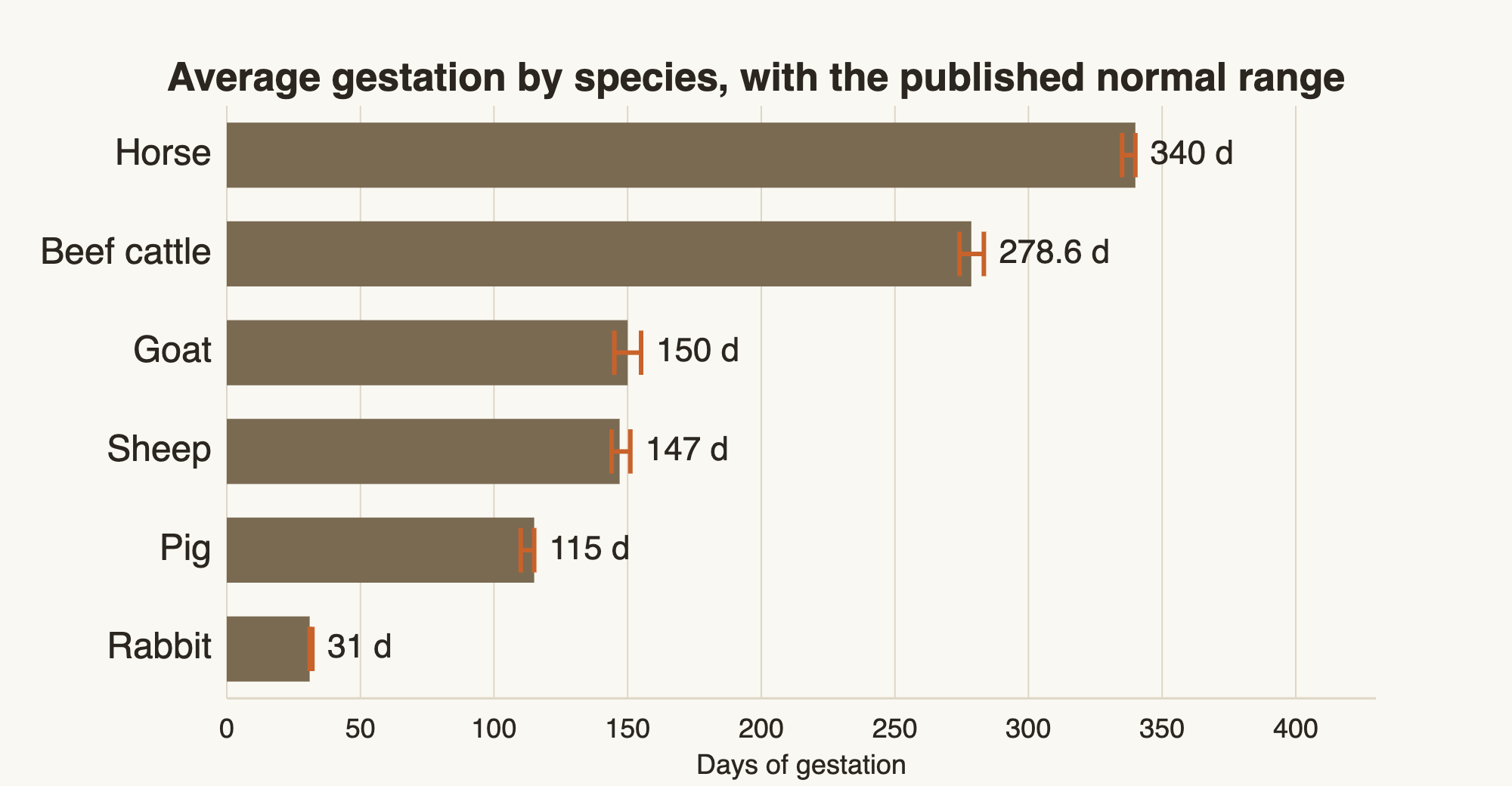
Short answer: a doe kids at about 150 days, a ewe lambs at about 147, a sow farrows at about 115, a doe rabbit kindles at 31, a mare foals at about 340 — and a beef cow calves at about 279, not the 283 that almost every other gestation calculator still uses. Kansas State published that correction in July 2026 from more than 101,000 Angus matings. Enter a breeding date and you get the due date, the normal early and late window, and a dated milestone schedule — then save the animal and watch the whole barn count down.
Pick a species and a breeding date. Results appear here.
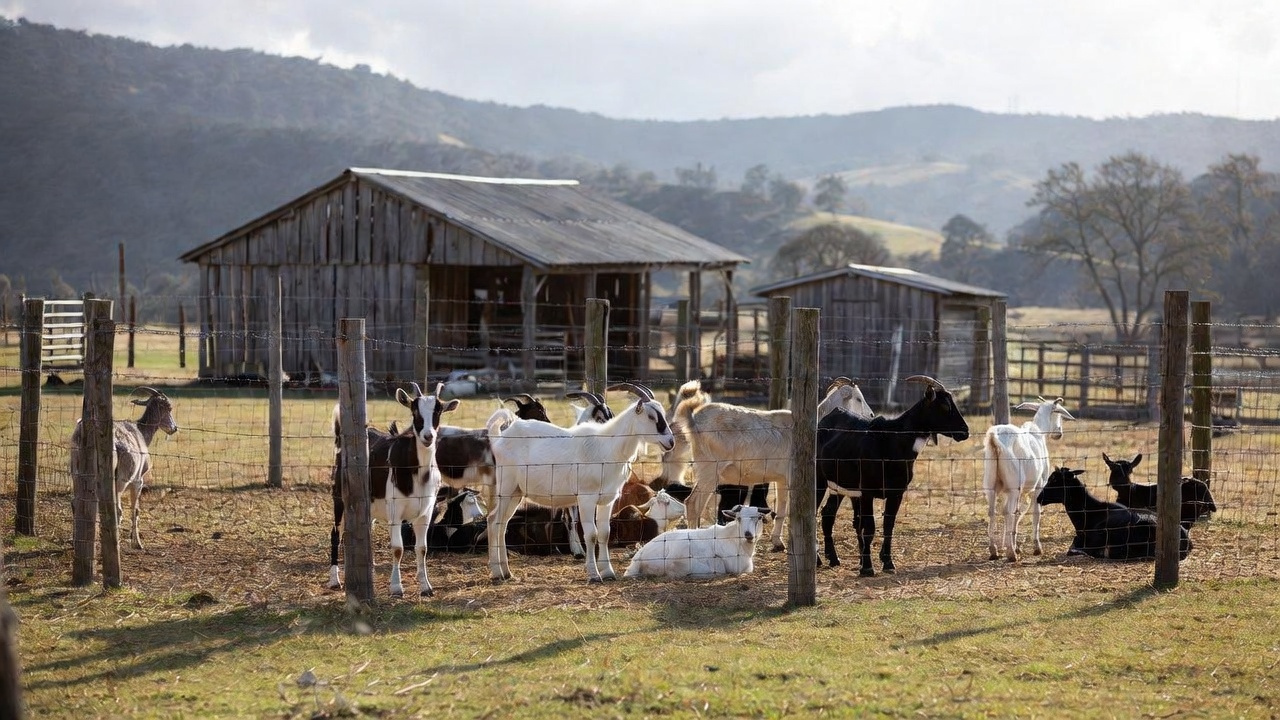
Gestation reference table
Data updated September 2026
| Species | Average gestation | Normal range | Recorded extremes | Source |
|---|---|---|---|---|
| Goat (doe) | 150 days | 145 to 155 days | not stated | Merck Veterinary Manual, Pregnancy in Goats |
| Sheep (ewe) | 147 days | 144 to 151 days | 138 to 159 days | Montana State University Extension, Sheep Reproduction |
| Beef cattle, modern data | 278.6 days | 274.2 to 283.3 days (two-thirds of matings) | 264 to 292 days | Kansas State University Beef Tips, Sandy Johnson, 1 July 2026 (101,000+ Angus AI matings, 2000 to 2020) |
| Cattle, traditional textbook figure | 283 days | not stated | not stated | Traditional value, cited and corrected by the Kansas State analysis above |
| Pig (sow) | 115 days (about 3 months, 3 weeks, 3 days) | 110 to 115 days to farrowing | not stated | Penn State Extension, Developmental Milestones During Pig Gestation |
| Rabbit (doe) | 31 days | 31 to 32 days | 28 to 32 days | Penn State Extension, Rabbit Production; Michigan State University Extension, Rabbit Tracks |
| Horse (mare) | 335 to 340 days | 335 to 340 days | 320 to 370 days | Extension Horses, Management of the Pregnant Mare |
Free to reuse with attribution (CC BY 4.0). Publish a figure from this table and please credit Current Homesteading with a link back.
What moves the number inside the range
Extension services and veterinary references publish gestation by species, not by breed. We looked for breed-level averages and found none published by a land-grant or veterinary source, so none are invented here. What those sources do publish is what shifts one animal inside its species range.
| What changes | Measured effect | Species | Source |
|---|---|---|---|
| Age of the dam | 277.7 days at two years against 279.6 days at eight years | Beef cattle | Kansas State University, 2026 |
| Calving ease | 277.6 days unassisted against 279.3 days assisted | Beef cattle | Kansas State University, 2026 |
| Twenty years of selection for lower birth weight | The average fell 4.3 days between 2000 and 2020 | Beef cattle | Kansas State University, 2026 |
| Litter size | Bigger litters tend to arrive early; individual ewes recorded from 138 to 159 days | Sheep | Montana State University Extension |
| Breed, litter weight, environment and parity | Named as the four causes of movement inside the 145 to 155 day range | Goats | Merck Veterinary Manual |
| Which institution you ask | Penn State publishes 144 to 150 days; Montana State publishes 144 to 151. Both are current. | Sheep | Penn State Extension; Montana State University Extension |
Milestone reference for every species in the gestation calculator
The calculator dates these from the breeding date you enter. Here is the same schedule undated, so it reads without running the tool.
| Species | Milestone | When | Source |
|---|---|---|---|
| Goat, sheep | CD and T vaccination, dam that has given birth before | Last month of pregnancy, at least 2 weeks before the due date | Maryland Small Ruminant Page |
| Goat, sheep | CD and T vaccination, first-time mother | Two doses, 6 weeks and 3 weeks before the due date | Maryland Small Ruminant Page |
| Cattle | Dry off | 45 to 65 days before calving; 60 to 65 for a first-calf heifer | Alabama Cooperative Extension System |
| Cattle | Step the grain up | Final 10 days before calving | Alabama Cooperative Extension System |
| Pig | Pregnancy recognition | Days 11 to 12 | Penn State Extension |
| Pig | Embryo attachment | Days 12 to 15 | Penn State Extension |
| Pig | Ultrasound confirmation | About day 30 | Penn State Extension |
| Pig | Bone calcification | Days 35 to 45 | Penn State Extension |
| Pig | Bump-feeding window | Days 77 to 90 | Penn State Extension |
| Pig | Final energy storage | Days 110 to 115 | Penn State Extension |
| Rabbit | Nest box into the hutch | Day 28 after breeding | Penn State Extension |
| Rabbit | Nest box removed | 5 to 21 days after kindling | Penn State Extension |
| Rabbit | Weaning | About 30 days after kindling | Penn State Extension |
| Horse | Caslicks opened | 30 days before the due date | Extension Horses |
| Horse | Move to the foaling environment | 2 to 3 weeks before the due date | Extension Horses |
| Horse | Udder development | 2 to 6 weeks before the due date | Extension Horses |
| Horse | Pelvic relaxation | 7 to 14 days before the due date | Extension Horses |
| Horse | Milk let-down | 4 to 6 days before the due date | Extension Horses |
| Horse | Waxing | 1 to 2 days before the due date | Extension Horses |
| All | Birthing pen ready and stocked | The earliest date in the normal range, not the due date | Arithmetic on the ranges in the table above |
How this goat gestation calculator works
No hidden model. A due date is arithmetic on a species average:
Milestones are the same arithmetic on published recommendations. Where a source counts back from birth, the tool subtracts from the due date.
Dates are computed in your device’s local time zone from calendar days, so daylight-saving changes cannot shift a due date by a day.
Why the cattle number is different here
Nearly every gestation calculator online adds 283 days for cattle, a figure from older literature. In July 2026 Kansas State University analyzed more than 101,000 Angus artificial-insemination matings recorded between 2000 and 2020 and found the average was 278.6 days, two-thirds of pregnancies fell between 274.2 and 283.3, and the full spread ran 264 to 292. Gestation shortened by 4.3 days over those two decades as the industry selected for lower birth weight and easier calving. Younger dams and unassisted calvings both run shorter, which is a quiet argument for checking the long ones sooner. The traditional 283-day basis is still in the dropdown so your numbers stay comparable with your own herd records — not because it is the better estimate.
Worked example you can check by hand
A doe is bred on 1 October 2026. Goat gestation averages 150 days with a normal range of 145 to 155.
- Due date: 1 October plus 150 days is 28 February 2027.
- Watch window: 145 days is 23 February and 155 days is 5 March, so anything in that eleven-day band is normal.
- CD and T vaccination: the last month of pregnancy but at least two weeks before due, so between 29 January and 14 February. A first-time mother gets two doses, six and three weeks out: 17 January and 7 February.
- Kidding pen ready: by 23 February, the early end of the window, not the due date.
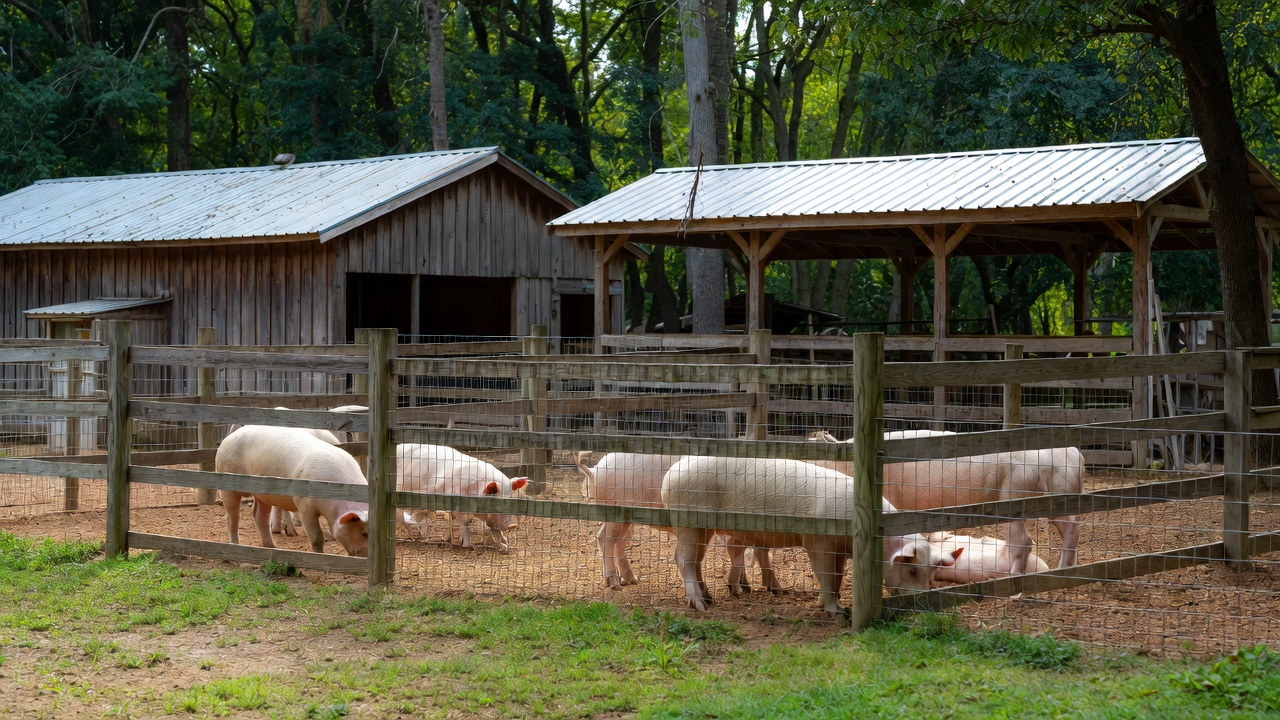
How to use the dates you get
Prepare for the early end of the window, not the due date. A due date is the middle of a spread, so about half your animals deliver before it. Bed the pen and stock the kit from the earliest date.
The breeding date you enter matters most. With pasture breeding you have a window, not a date. Run it twice, first and last possible service date: your real window is the span between the two results.
Overdue is not automatically an emergency. Mares routinely carry past 340 days and the published range runs to 370. Past the top of that range, or labor that starts and does not progress, is when you call your veterinarian.
Related on Current Homesteading
- Raised bed soil calculator — how much soil and compost a bed needs, and the compost ceiling the extension services publish
- Companion planting chart
- All Current Homesteading tools and charts
Frequently asked questions
How long is a goat pregnant?
About 150 days, normal range 145 to 155, per the Merck Veterinary Manual. Breed, litter size, environment and how many times the doe has kidded all move her inside that window. Bigger litters tend to come early.
How long is a cow pregnant?
278.6 days on modern beef data, not the 283 most calculators still use. Two-thirds of matings fall between 274.2 and 283.3 days, and the full recorded spread is 264 to 292 (Kansas State University, July 2026).
How long is a sheep pregnant?
About 147 days. Montana State publishes a 144 to 151 day range, with individual ewes recorded from 138 to 159; Penn State publishes 144 to 150. Plan for the early end.
How long is a pig pregnant?
About 115 days — the old stockman’s rule of three months, three weeks and three days still holds. Penn State Extension puts farrowing at 110 to 115 days.
How long is a rabbit pregnant, and when does the nest box go in?
31 days, with kindling recorded from 28 to 32. Penn State Extension says put the nest box in the hutch on day 28 after breeding, and take it out 5 to 21 days after the litter arrives.
How long is a horse pregnant?
335 to 340 days on average, with a published range of 320 to 370. Carrying past 340 days is common and is not on its own a reason to call anyone.
Can I use this if I only know the breeding week, not the day?
Yes. Run it twice — first possible service date, then last possible. Your real window is the span between the two results, which is wider and more honest than the days either side of one guess.
Is my animal data sent anywhere?
No. Saved animals live in this browser only, on this device, with no account and no upload. Clearing your site data deletes them. The CSV and calendar exports are built on your own machine.
Want a reminder instead of a bookmark?
The calendar export already puts your dates in whatever calendar you use. Want the printable barn-wall chart for all six species as well? Drop an email below.
One email with the chart. Unsubscribe in a click. Results are never gated behind a signup.
Sources
- Merck Veterinary Manual, Pregnancy in Goats — goat gestation 145 to 155 days, average 150, moved by breed, litter weight, environment and parity.
- Montana State University Extension, Sheep Reproduction — ewe gestation 144 to 151 days, individual range 138 to 159.
- Penn State Extension, Preparing for Lambing Season — ewe gestation 144 to 150 days.
- Kansas State University Beef Tips, Sandy Johnson, When Is She Due? Understanding Gestation Length in Modern Beef Cattle, 1 July 2026 — every cattle figure here: the 278.6-day mean over 101,000 Angus matings, the 274.2 to 283.3 two-thirds band, the 264 to 292 extremes, the age-of-dam and calving-ease effects, and the 4.3-day decline since 2000.
- Penn State Extension, Developmental Milestones During Pig Gestation — the 115-day average and every pig milestone above.
- Penn State Extension, Rabbit Production, and Michigan State University Extension, Rabbit Tracks — rabbit gestation, nest box, removal and weaning.
- Extension Horses, Management of the Pregnant Mare — mare gestation, the 320 to 370 range and every horse milestone above.
- Maryland Small Ruminant Page (Susan Schoenian) — CD and T vaccination timing for ewes and does.
- Alabama Cooperative Extension System, Managing and Caring for the Dry Cow — dry period and the final grain step-up.
Every gestation figure and every dated milestone in this goat gestation calculator comes from one of the sources above. Nothing is estimated and nothing is copied from another calculator. Sources re-checked 15 September 2026.