How to Plant Garlic: When, How Deep and Which Type by Zone
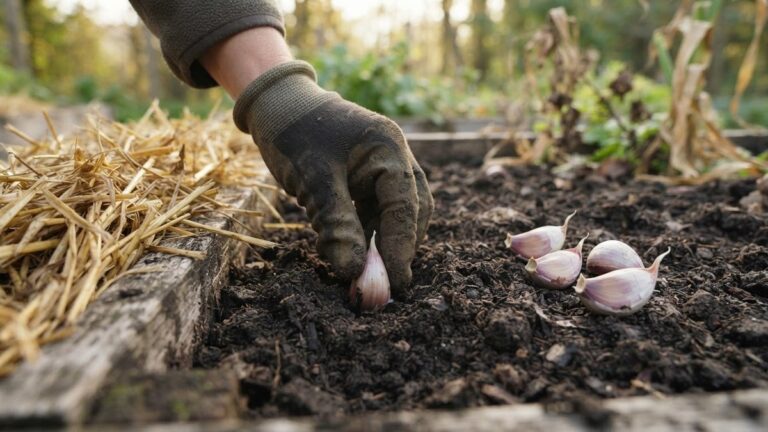
A garlic planting window for every USDA zone from 3 to 10, built from 19 university extension services, plus depth, spacing, mulch and why grocery store garlic is a gamble.
Self-reliance tips, rural living guides, and off-grid skills, every Friday.
Unsubscribe anytime.
✓ You're in! Check your inbox to confirm.

Wondering what to plant in July? These 12 crops sown over the holiday weekend still deliver a full fall harvest. Get the count-back math and zone timing.
Read More →
Where to keep potatoes through winter, place by place: the temperature, humidity and keeping time for a root cellar, basement, garage, pantry or fridge, plus how to...
Read the articleGrowing food where you live. Frost dates and planting windows, soil and compost, raised beds, watering through drought, and keeping the deer and rabbits out of it.
A garlic planting window for every USDA zone from 3 to 10, built from 19 university extension services, plus depth, spacing, mulch and why grocery store garlic is a gamble.
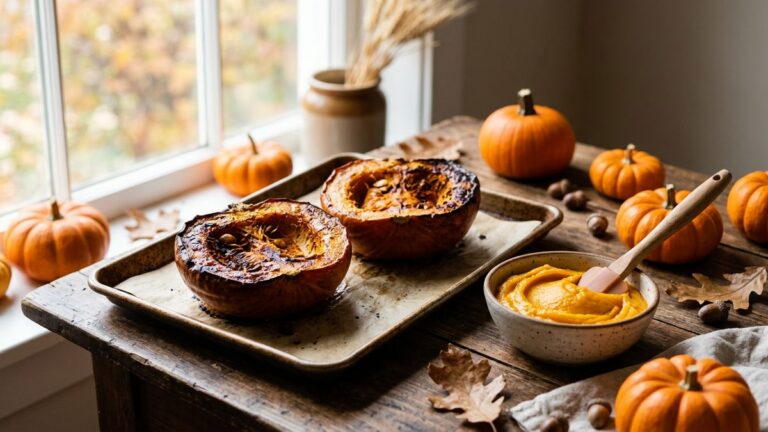
Roast, boil, steam or pressure-cook a pie pumpkin into puree, keep it in the fridge or freezer, and can pumpkin the only tested way: as cubes in a pressure canner.
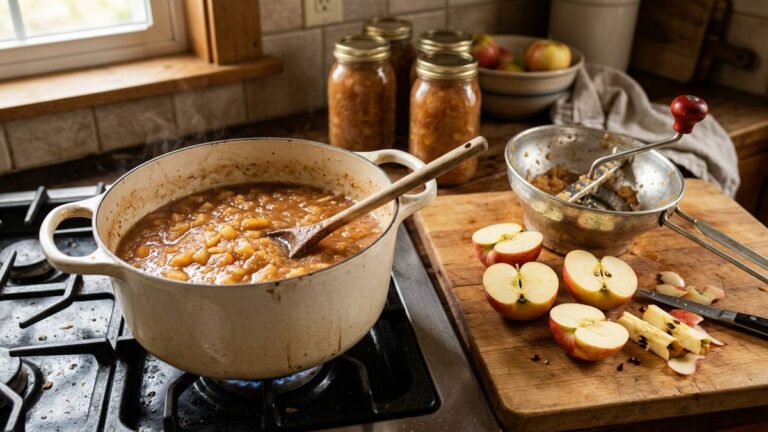
Homemade applesauce from the NCHFP procedure, with yield math by the pound and bushel, both tested canning methods, freezer headspace and the egg-swap ratio.
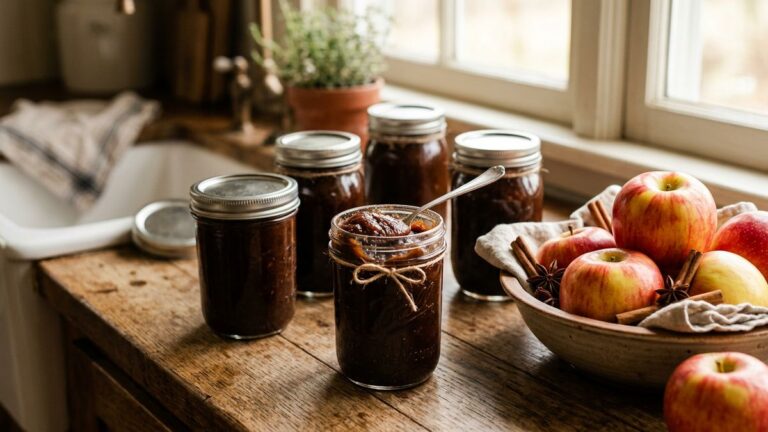
The tested NCHFP apple butter recipe, cooked on the stove or in a slow cooker, with both doneness tests, a batch scaler and canning times for every altitude.
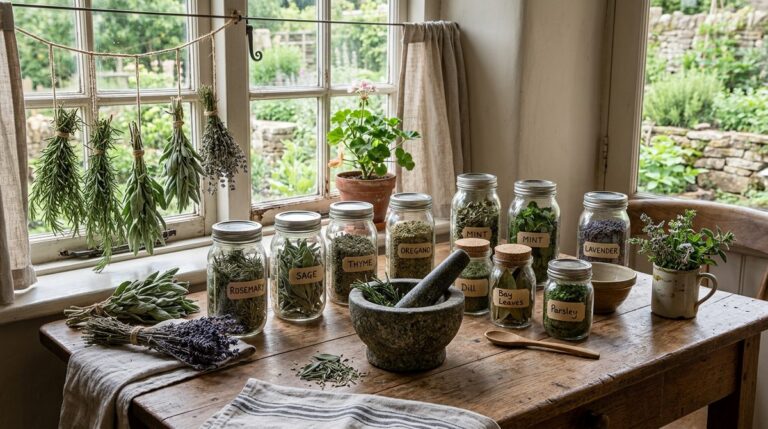
How to dry herbs four ways, with the temperatures and times from the National Center for Home Food Preservation and Minnesota Extension.
How to make apple cider at home: picking a blend, grinding, pressing, pasteurizing at 160°F and storing it, from three extension services.
Wondering what to plant in July? These 12 crops sown over the holiday weekend still deliver a full fall harvest. Get the count-back math and zone timing.
A practical winter system for growing microgreens indoors: what to sow, how much light and warmth they need, and where the work usually goes wrong. This piece offers reflection grounded in real work and mistakes, not instruction. But winter is long, and a little structure helps keep the greens – and the spirits –…
Start a garden by working backward from your last spring freeze date, not a calendar month. A cited planting table for 36 crops, real NOAA freeze probabilities for 12 cities, and a companion-planting chart graded by actual evidence.
Short answer: Oregon State University Extension caps compost at 25 percent of a raised bed by volume. The University of Maryland Extension recommends 33 to 50 percent. Both are land-grant institutions, both published those numbers, and almost every soil calculator online quietly hard-codes one side of the disagreement without telling you it exists. This page…
What to plant in August for a fall harvest, zone by zone. Frost-date math, the crops to sow now, and how to protect a homestead fall garden.
The vines won again? A quick triage plan for what to do with too many tomatoes: freeze, can, dry, cook, or share the glut without burning out.