How to Store Potatoes: Cellar, Basement, Garage or Fridge
Where to keep potatoes through winter, place by place: the temperature, humidity and keeping time for a root cellar, basement, garage, pantry or fridge, plus how to cure them first.
Self-reliance tips, rural living guides, and off-grid skills, every Friday.
Unsubscribe anytime.
✓ You're in! Check your inbox to confirm.

What extension poultry specialists and fire officials say about keeping a flock warm through winter, with one row each for heat, water, ventilation, frostbite, feed,…
Read More →Three field guides worth bookmarking — canning times, cellar storage, and safe cooking temps.
| Food | Pressure | Pint |
|---|---|---|
| Green beans | 10 lb | 20m |
| Corn | 10 lb | 55m |
| Tomatoes | water bath | 35m |
USDA/NCHFP processing times & pressures for common foods.
View full chart →| Item | Store | Keeps |
|---|---|---|
| Onions | cool, dry | 9 mo |
| Potatoes | cellar | 4–6 mo |
| Apples | cellar | 6 mo |
How long fruit & veg keep in the cellar, fridge and freezer.
View full chart → Network| Doneness | Target |
|---|---|
| Rare | 125–130°F |
| Medium-rare | 130–135°F |
| Well-done | 160°F+ |
Safe pull temps for steak & burgers, from Popular BBQ.
View full chart →Reader Favorites
Where to keep potatoes through winter, place by place: the temperature, humidity and keeping time for a root cellar, basement, garage, pantry or fridge, plus how to cure them first.
A garlic planting window for every USDA zone from 3 to 10, built from 19 university extension services, plus depth, spacing, mulch and why grocery store garlic is a gamble.
Roast, boil, steam or pressure-cook a pie pumpkin into puree, keep it in the fridge or freezer, and can pumpkin the only tested way: as cubes in a pressure canner.
Homemade applesauce from the NCHFP procedure, with yield math by the pound and bushel, both tested canning methods, freezer headspace and the egg-swap ratio.
The tested NCHFP apple butter recipe, cooked on the stove or in a slow cooker, with both doneness tests, a batch scaler and canning times for every altitude.
How to dry herbs four ways, with the temperatures and times from the National Center for Home Food Preservation and Minnesota Extension.
How to make apple cider at home: picking a blend, grinding, pressing, pasteurizing at 160°F and storing it, from three extension services.
Why chickens molt, how long it lasts, the order feathers drop, and what to feed molting hens so the eggs come back.
Wondering what to plant in July? These 12 crops sown over the holiday weekend still deliver a full fall harvest. Get the count-back math and zone timing.
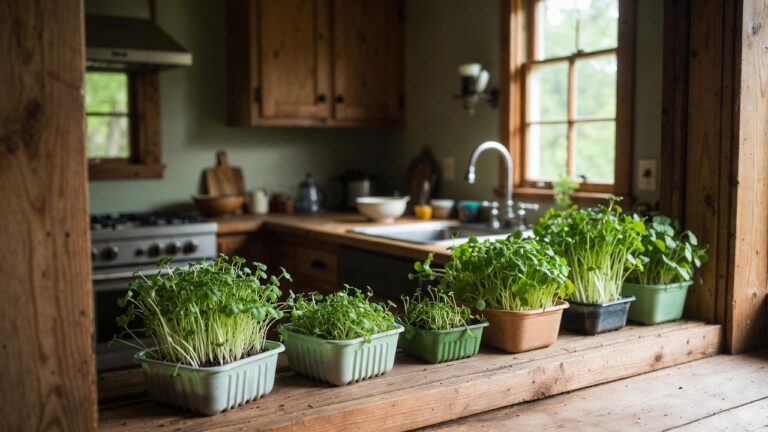
A practical winter system for growing microgreens indoors: what to sow, how much light and warmth they need, and where the work usually goes wrong. This piece offers reflection grounded in real work and mistakes, not instruction. But winter is long, and a little structure helps keep the greens – and the spirits –…
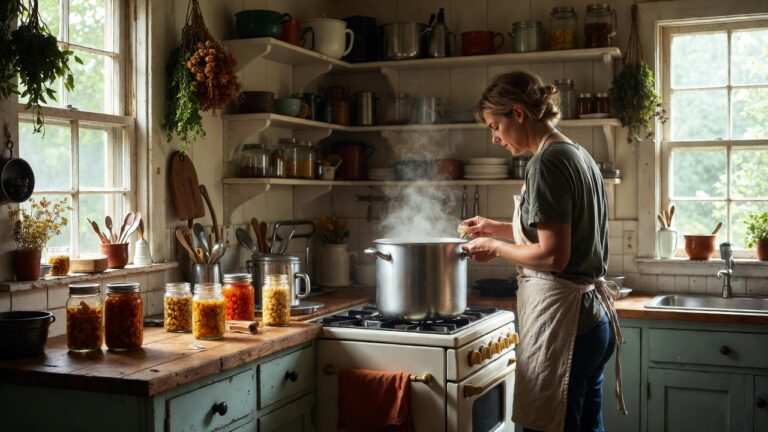
Home canning season is here. Learn how to prevent botulism when canning low-acid foods, which method to use, and the warning signs before you taste a jar.
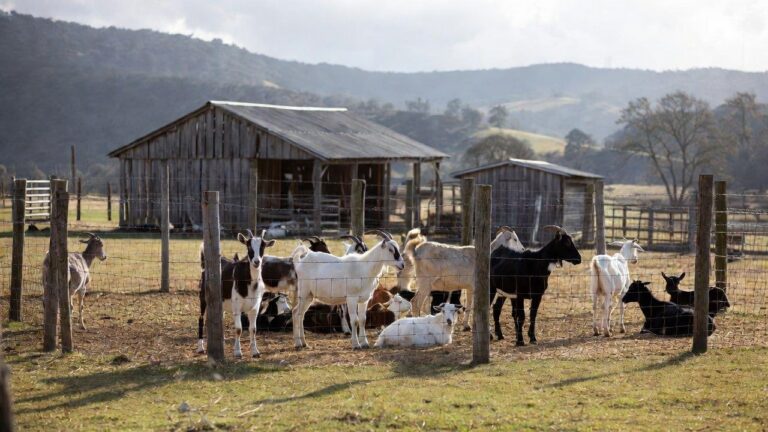
The New World screwworm is back in U.S. livestock in 2026. Learn the warning signs, the daily prevention routine, and what to do if you spot an infestation.