VegetablesWondering what to plant in July? These 12 crops sown over the holiday weekend still deliver a full fall harvest. Get the count-back math and zone timing.
Read the article Vegetables
The vegetable patch, start to finish — what to plant and when, how to handle a glut, and the freezing, drying and storing that keeps the harvest from going to waste.
-
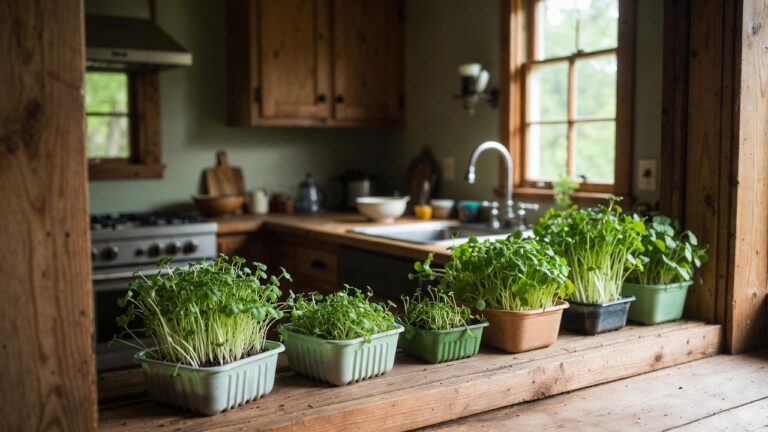
A practical winter system for growing microgreens indoors: what to sow, how much light and warmth they need, and where the work usually goes wrong. This piece offers reflection grounded in real work and mistakes, not instruction. But winter is long, and a little structure helps keep the greens – and the spirits –…
-
Start a garden by working backward from your last spring freeze date, not a calendar month. A cited planting table for 36 crops, real NOAA freeze probabilities for 12 cities, and a companion-planting chart graded by actual evidence.
-
The vines won again? A quick triage plan for what to do with too many tomatoes: freeze, can, dry, cook, or share the glut without burning out.
-
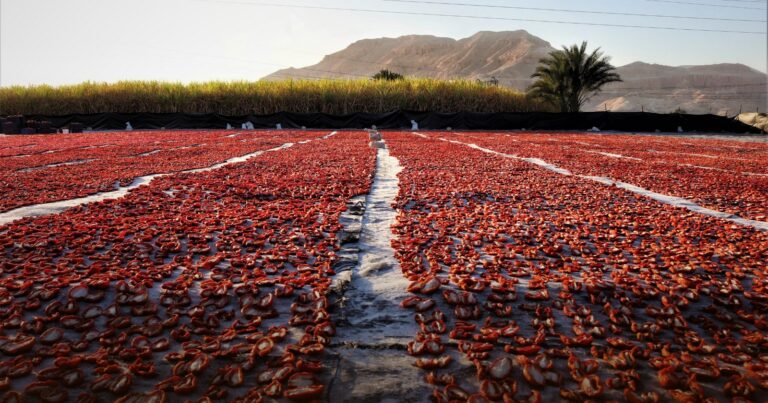
Shrink a whole basket of tomatoes into a jar: how to make dehydrated tomatoes in a dryer or oven, store them safely, and use them all winter.
-
The fastest way to preserve a tomato harvest: freeze them whole with no blanching, then peel after thawing for soups, sauces and stews all winter.
-
Five reliable ways to preserve a tomato harvest — canning, freezing, drying, sauce and salsa — plus the one safety step every canned method shares.
-
What to plant this May by USDA zone — peppers, beans, squash, melons. A working-homestead planting calendar for zones 3 through 9.
-
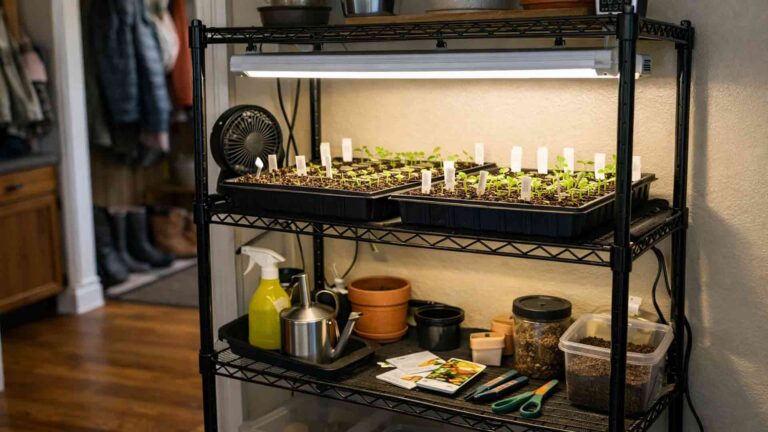
Stop losing seedlings on transplant day. A day-by-day, 10-day hardening-off schedule for tomatoes, peppers, brassicas, and more — plus the three mistakes that kill more transplants than frost.
-
If your veggie patch could talk, it would probably say, “Hey, can I get a blanket over here?” That’s basically what mulch is — a cozy cover for your soil that keeps it comfy, nourished, and protected. Whether you’re growing tomatoes, carrots, or enough zucchini to feed the whole neighborhood, the right mulch can make…
-
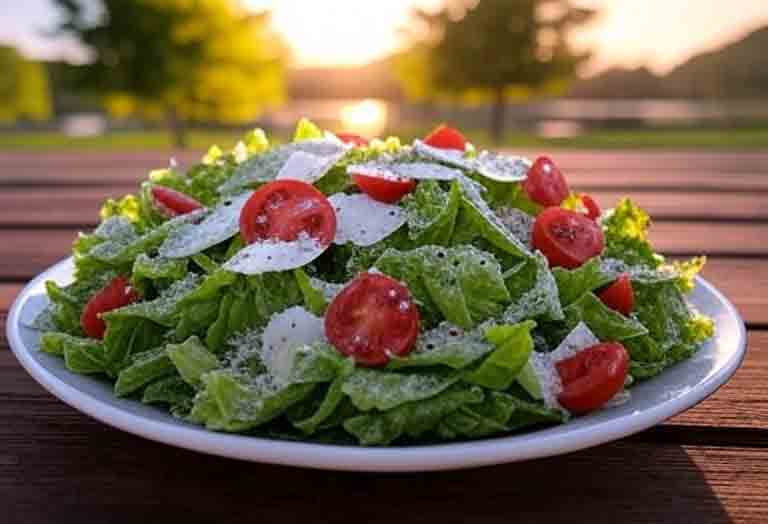
Late June brings a vibrant harvest to your homestead garden, perfect for firing up a homestead BBQ. Romaine lettuce, green beans, radishes, and peas are at their peak, ready to shine in outdoor dishes that celebrate self-sufficiency. This article shares three unique recipes, each using a different cooking method—grilling, smoking, and griddle-searing—to make the most…
-
This root vegetable not only thrives in a variety of climates but also offers flexibility in planting methods.
-
Did you know you can make your own versions of the most popular boxed foods?