

How to Clean a Gizzard
Quick Answer
Last updated: August 18, 2026 · Originally published January 26, 2023
To clean a chicken gizzard, slice it open along the side to expose the inside, dump out the grit and undigested food, and rinse it under cold water. Then peel away the tough, yellowish inner lining — it usually strips off in one piece once you get an edge started — and trim off any excess fat and silver connective tissue. Give it a final rinse and it is ready to cook. Because gizzards are a hard-working muscle, they are tough, so they turn out best braised or simmered low and slow (or pressure-cooked) before any final searing or frying.


Cleaning chicken gizzards: key questions
What is the yellow lining inside a gizzard?
It is a tough, keratin-like membrane that protects the muscular stomach wall from grit and grinding. It is unpleasant to eat, so it is peeled away during cleaning — it typically comes off in one piece.
Do you have to remove the lining from a gizzard?
Yes, for the best texture. The inner lining is tough and can trap grit, so peeling it out (along with trimming excess fat) leaves you with clean, edible muscle.
How do you make gizzards tender?
Cook them low and slow — braising or simmering for an hour or more, or pressure-cooking — to break down the tough muscle. Many cooks then bread and fry them for a crispy finish.
What is a chicken gizzard?
It is part of a bird’s stomach — a thick, muscular organ that grinds up food (often with swallowed grit) since birds have no teeth. It is lean, flavorful, and popular fried, grilled, or in stews.
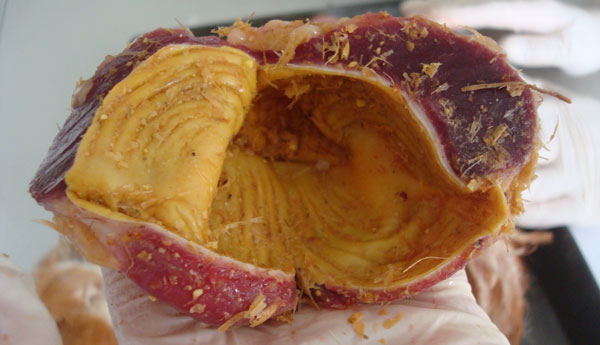
Method 1: The Shallow Slice
The easiest way to start is by shallowly slicing the gizzard right down the center to expose the yellow grit sac. If you end up slicing more deeply its not a problem from a culinary standpoint, but the rocks within can dull your knife. Open this sac up and dump it out. It smells terrible, so its best to do this outside, where you can also use a hose. You certainly don’t want to dump gravel down the kitchen sink. Once clean, cut the rest of the yellow membrane away from the two large muscles and violá! You have a clean gizzard.Method 2: The Slice and Dice
A potentially easier way that the above is to simply slice the muscles right off the exterior of the gizzard. This requires less prep, and less cleaning. Be warned, however. You should have taken a gizzard apart before doing this to familiarize yourself with how its built, as knowledge of the anatomy is required to keep yourself from rupturing the grit sac. Once either of the above processes are done, trim away silverskin like you would with any other piece of meat. You can skip this step on the smaller gizzards, and the skin will tenderize when cooked. From here its up to you whether they end up in the fryer or the slow cooker. Bon appètit!If you process your own wild birds too, our friends at Popular Outdoorsman cover field care in their dove hunting tips.


Reader Favorites
Homestead reference charts
Three field guides worth bookmarking — canning times, cellar storage, and safe cooking temps.
| Food | Pressure | Pint |
|---|---|---|
| Green beans | 10 lb | 20m |
| Corn | 10 lb | 55m |
| Tomatoes | water bath | 35m |
USDA/NCHFP processing times & pressures for common foods.
View full chart →| Item | Store | Keeps |
|---|---|---|
| Onions | cool, dry | 9 mo |
| Potatoes | cellar | 4–6 mo |
| Apples | cellar | 6 mo |
How long fruit & veg keep in the cellar, fridge and freezer.
View full chart → Network| Doneness | Target |
|---|---|
| Rare | 125–130°F |
| Medium-rare | 130–135°F |
| Well-done | 160°F+ |
Safe pull temps for steak & burgers, from Popular BBQ.
View full chart →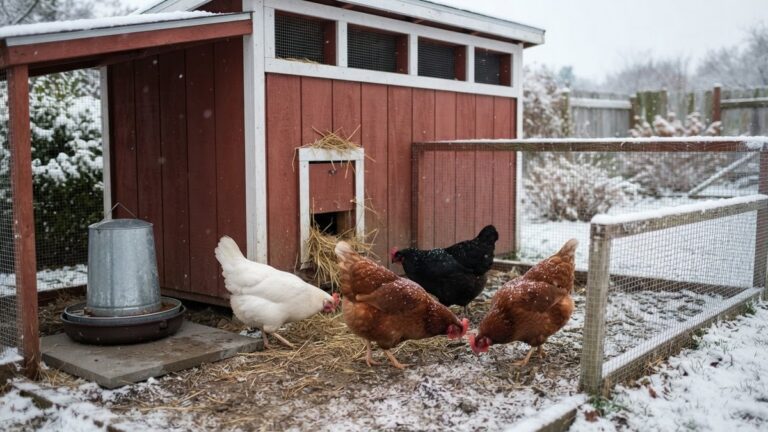


Charcoal grilled with fresh minced garlic/olive oil is my go-to.
gizzards and hearts do well together, simply saute in butter and red wine. Serve as snacks, or puree for a nice down-home country-style hummus.