How to Render Lard: Temps, Yield and Storage
How to render lard: grind cold pork fat, add 1/4 cup of water, melt it low at 225°F to 250°F for 4 to 6 hours, then strain it into clean jars.
Last updated: November 14, 2026 · Originally published September 7, 2023
Lard is pork fat that has been slowly melted and strained, leaving a soft, creamy white fat that is solid at room temperature and clear gold when warm. The fat around the kidneys, called leaf fat, makes the whitest and mildest lard, the kind bakers want for pie crust. Back fat and trimmings make a slightly stronger lard that is just right for frying and everyday cooking.

Rendering your own is worth the afternoon because one hog gives you more fat than most families can use fresh, and a few hours in a slow cooker turns it into a cooking fat that keeps for months. It costs next to nothing if you butcher your own or buy a share, and nothing makes a flakier pie crust or a better batch of fried potatoes.
Which pork fat makes the best lard?
Get every bit of fat you can off the animal, there’s no need to be picky. Most of it sits along the back and around the kidneys. If you keep the leaf fat separate from the back fat, it renders up pure white. If this is general-use lard, render it all together; it will just look a little more yellow and taste a little more like pork. Pork belly is the one cut to leave out, since it carries too much meat and is better off as bacon.
| Fat | Where it comes from | What the lard is like | Best for |
|---|---|---|---|
| Leaf fat | Around the kidneys and loin | Pure white, very mild, firm | Pie crust, biscuits, pastry |
| Back fat (fatback) | Between the skin and the muscle along the back | Off-white, mild pork flavor | Frying, sautéing, cooking |
| Trimmings | Fat cut off shoulders, hams and loins | Yellowish, stronger pork flavor | Beans, greens, frying |
How do you prepare the fat for rendering?
Start by refrigerating your fresh fat for a few days, as you want it cold and firm to begin. Partly frozen fat is even easier to work with. Cut off any bits of meat, skin or blood spots, then chop or grind the pure fat into small pieces. The smaller it is, the faster and more completely it renders, and the whiter and cleaner it will look. A meat grinder is the best tool for the job; a sharp knife and 1-inch cubes work fine if you don’t have one.
What temperature do you render lard at?
Keep the fat between about 225°F and 250°F. That is hot enough to melt the fat out of the tissue and cook off the water, and low enough that nothing browns. Go hotter and the lard turns golden and picks up a stronger pork taste. It is still good for frying, just not what you want in a pie crust. A probe thermometer in the pot takes the guesswork out of it.
How do you render lard in a slow cooker?
I recommend a slow cooker over a stovetop, as it’s easier to keep the temperature ultra low. The lower the temperature, the longer the cook, and the longer the cook, the cleaner the taste.
- Pour 1/4 cup of water into the slow cooker and add the ground fat. The water keeps the first batch of fat from sticking and scorching before it starts to melt, and it cooks off by the time the lard is done.
- Set the cooker on low and leave the lid slightly cracked so steam can escape.
- Let it simmer for 4 to 6 hours, stirring every half hour or so to keep anything from sticking to the sides.
- As the cracklings (the bits of meat and tissue) float up, you can spoon them out. Leaving them in longer is what gives lard a more porky flavor.
- The lard is done when the liquid is clear, the bubbling has nearly stopped, and the cracklings have turned light gold and sunk to the bottom.
Can you render lard on the stovetop or in the oven?
Yes. On the stove, use a heavy pot or Dutch oven on the lowest burner setting, add the same 1/4 cup of water, and stir often. Expect about 3 hours for a few pounds of fat, and never let it come to a hard boil. In the oven, spread the fat in a roasting pan at 225°F and stir it every 30 minutes. The oven holds a steady low heat with less babysitting, which makes it a good choice for a big batch after butchering day.
How much lard do you get from a pound of fat?
Plan on about 1 to 1 1/2 cups of lard per pound of fat. Clean leaf fat and finely ground fat land at the top of that range; trimmings with meat still on them land at the bottom. So 10 pounds of fat gives you roughly 10 to 15 cups, or a little over 2 to just under 4 quarts. Have enough clean jars ready before you start straining.
How do you strain and store homemade lard?
Once your lard has rendered, let it cool for a few minutes, then strain it into clean, dry jars through a fine-mesh strainer lined with cheesecloth. Water and leftover bits of meat are what make lard spoil, so strain it well and leave the cloudy last half inch in the pot. I like to refrigerate mine, as an extra precaution against going rancid. Plan on about 3 months in the refrigerator and up to a year in the freezer. Freeze it in small jars or ice cube trays so you only thaw what you need. If it ever smells sour or stale, it has gone rancid and belongs in the trash.
What can you cook with lard?
Lard has a smoke point of about 370°F, so it handles frying, roasting and searing as well as baking. Leaf lard goes into pie crust, biscuits and tortillas, and makes them flaky without tasting like pork. Back-fat lard is the one for fried chicken, potatoes, refried beans and a pot of greens. If you are rendering beef fat too, the same low-and-slow method works; see our guide to rendering beef tallow at home.
What do you do with the cracklings?
Some folks eat the cracklings as a snack. Crisp them in a hot skillet, salt them, and they disappear fast. They are also good stirred into cornbread or sprinkled over a salad, and the chickens will happily take whatever is left. Slow-cooker cracklings come out soft, so give them that skillet finish if you want crunch.
When is the best time to render lard?
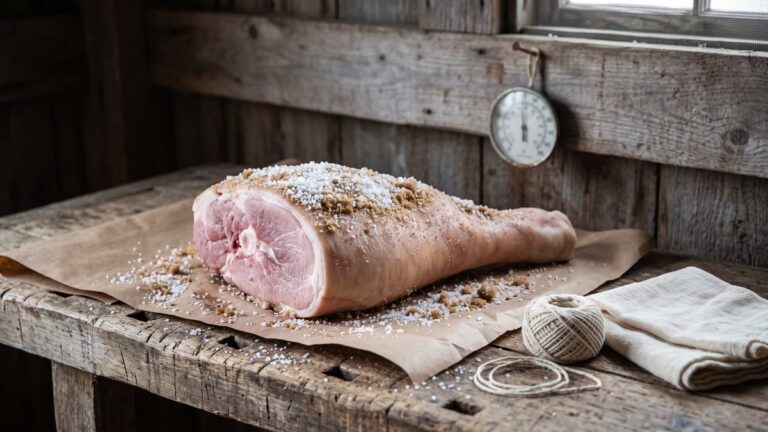
Hog butchering runs through late fall and winter on most homesteads, and that is when fresh fat is easiest to get. If you raise your own, ask the processor to save every bit of leaf fat and back fat for you. If you don’t, a local butcher or farmer will often sell it for very little if you ask. While the fat is going, it is a good time to cure a ham and start a pot of homemade bone broth from the bones. And if a pork butt is headed for the smoker, our friends at Popular BBQ explain how to smoke pork butt, and that trimmed fat cap can go straight into your next batch of lard.
Tomatoes and sauces took it with 38%, ahead of pickles and peppers at 31%.
Frequently asked questions about rendering lard
Do you have to add water to render lard?
No, but a 1/4 cup helps. It keeps the first pieces of fat from scorching before they melt, and it cooks off by the time the lard is done.
How long does it take to render lard?
About 4 to 6 hours in a slow cooker on low, or around 3 hours on the stovetop for a few pounds. Ground fat renders faster than cubed fat.
Why is my lard yellow and not white?
The heat was too high, the cracklings stayed in too long, or the fat had meat on it. Use leaf fat, keep it at 225°F to 250°F and pull the cracklings as they float.
Can homemade lard be stored at room temperature?
Well-strained lard keeps for a while in a cool, dark pantry, but it lasts much longer cold. Keep a working jar in the fridge and freeze the rest.
Nothing makes better pastries, or serves as better cooking grease, than good, homemade lard. Enjoy!
Reader Favorites
Homestead reference charts
Three field guides worth bookmarking — canning times, cellar storage, and safe cooking temps.
| Food | Pressure | Pint |
|---|---|---|
| Green beans | 10 lb | 20m |
| Corn | 10 lb | 55m |
| Tomatoes | water bath | 35m |
USDA/NCHFP processing times & pressures for common foods.
View full chart →| Item | Store | Keeps |
|---|---|---|
| Onions | cool, dry | 9 mo |
| Potatoes | cellar | 4–6 mo |
| Apples | cellar | 6 mo |
How long fruit & veg keep in the cellar, fridge and freezer.
View full chart → Network| Doneness | Target |
|---|---|
| Rare | 125–130°F |
| Medium-rare | 130–135°F |
| Well-done | 160°F+ |
Safe pull temps for steak & burgers, from Popular BBQ.
View full chart →