Best Egg Incubator: The 2026 Homestead Hatching Guide
The best egg incubator turns a carton of fertile eggs into next spring’s laying flock without waiting on a broody hen’s schedule. Hatching your own chicks costs a fraction of shipped pullets, opens the door to breeds no hatchery stocks locally, and — with avian influenza still disrupting hatchery supply — puts your flock’s future entirely in your own hands. This guide ranks four incubators from Brinsea, GQF, and Incubator Warehouse by hatch-rate features, capacity, and how much attention each one demands over a 21-day incubation.
Last updated: August 7, 2026 · Originally published July 3, 2026
Every pick comes from a manufacturer that publishes full specifications, sells replacement parts, and backs its machines with a real warranty. We compared current models, factory specs, and owner feedback to find the best egg incubator for each flock plan — from a seven-egg experiment to a fifty-egg spring hatch.
How We Ranked the Best Egg Incubator Picks for 2026
Hatch rates come down to three variables held steady for three weeks: temperature at 99.5°F in a forced-air machine, humidity around 40 to 50 percent until lockdown, and regular egg turning. So we weighted automation first — a machine that turns eggs itself and manages its own humidity removes the two most common causes of failed hatches. Capacity came second, matched to realistic homestead goals rather than spec-sheet maximums. Third, we favored machines with accurate factory-calibrated thermostats, clear visibility for candling and hatch day, and manufacturers that answer the phone when something drifts.
Best Egg Incubator Comparison Table
| Model | Price | Capacity | Turning | Humidity | Warranty |
|---|---|---|---|---|---|
| Brinsea Ovation 28 EX | $639.99 | 28 hen eggs | Automatic | Automatic pump | 3 years |
| IncuView 3 Pro | $160.00 | 28 chicken / 52 quail | Automatic | Monitored, manual fill | 2 years |
| GQF 1588 Genesis Hova-Bator | $106.95 | 50 chicken / 130 quail | Turner included | Manual trays | 1 year |
| Brinsea Mini II Advance | $299.99 | 7 hen eggs | Automatic | Manual fill | 3 years |
Brinsea Ovation 28 EX — Best Egg Incubator Overall
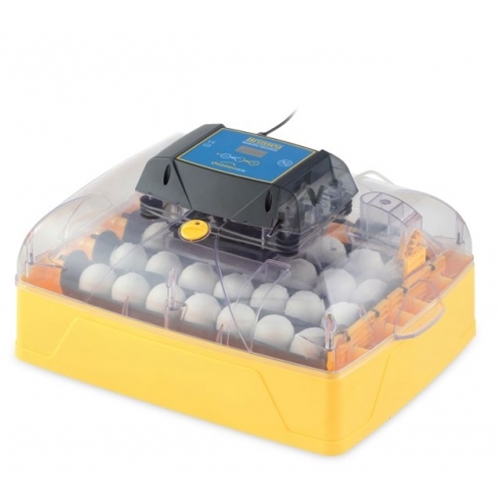
The Brinsea Ovation 28 EX is the machine that removes human error from the hatch. It turns all 28 eggs automatically, and — the feature that separates it from everything else near this price — its built-in humidity pump reads the chamber and adds water on its own, holding your set point through the full incubation and stepping up for lockdown. Digital temperature control, forced-air circulation, and automatic cooling cycles round out a spec sheet that reads like a commercial hatchery cabinet shrunk to countertop size.
Brinsea has built incubators for over forty years and backs the Ovation with a 3-year warranty. At $639.99 list, this is a serious purchase, and it makes sense in exactly one situation: you plan to hatch every season, and you want the machine — not your calendar vigilance — responsible for the results. For a homestead that replaces or expands its flock annually, the Ovation 28 EX is the best egg incubator you can set and trust.
IncuView 3 Pro — Best Visibility for the Price
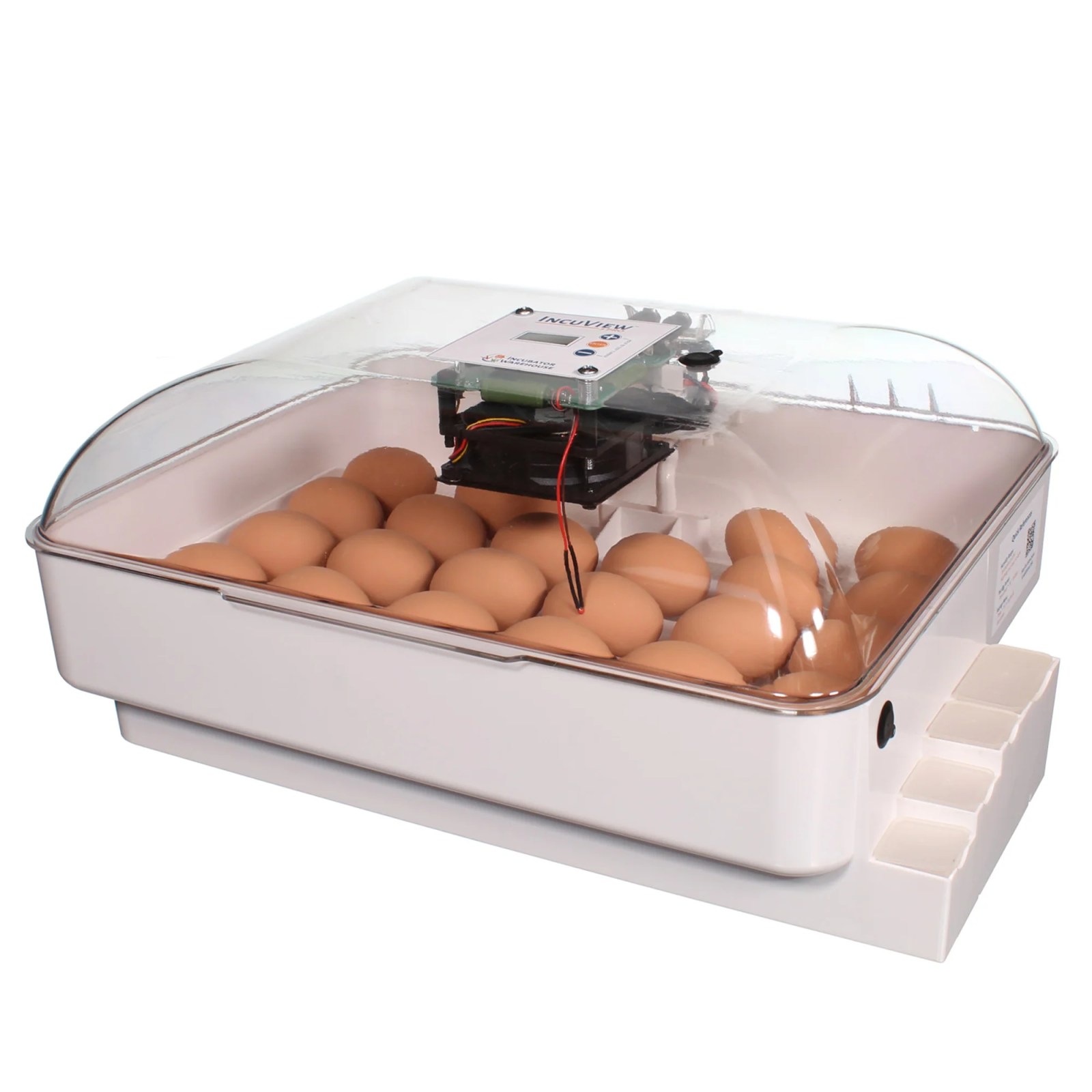
The IncuView 3 Pro wraps automatic turning, humidity monitoring, and a factory-set digital thermostat in a clear 360-degree dome for $160. That dome is the signature feature: candling schedules aside, you watch the entire hatch unfold without lifting the lid and dumping your humidity at the moment it matters most.
Capacity runs 28 chicken eggs or 52 quail, matching the Ovation’s count at a quarter of the price — the trade-off is that you fill the water reservoirs yourself rather than letting a pump handle it. External fill ports mean topping up doesn’t disturb the eggs, and the 2-year warranty covers the electronics. For a first serious incubator, this is the best egg incubator under $200 and the one most likely to get kids invested in hatch day.
GQF 1588 Genesis Hova-Bator — Best Capacity for Big Hatches
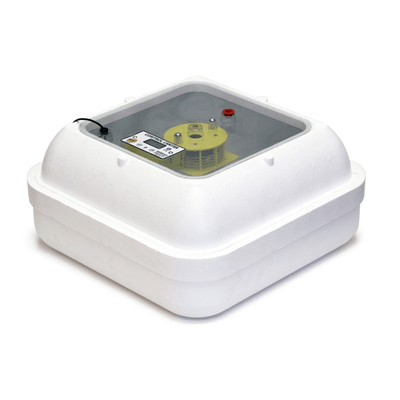
The GQF 1588 Genesis Hova-Bator holds 50 chicken or duck eggs — or 130 quail eggs — for $106.95, which makes it the machine for anyone hatching a full season’s flock or selling chicks at the feed store swap. GQF of Savannah, Georgia has made the Hova-Bator line for generations, and the Genesis version ships with a preset digital thermostat, so it arrives ready to run at hatching temperature out of the box.
Pair it with GQF’s automatic turner (included in the 1588 combo) and the daily workload drops to topping up the humidity channels and logging temperature. The styrofoam body insulates well and keeps the purchase price down; treat it gently during cleaning and it lasts years. When the goal is the most chicks per dollar, the Genesis has been the default answer for decades — one reason backyard forums still recommend it before anything else.
Brinsea Mini II Advance — Best Small-Clutch Incubator
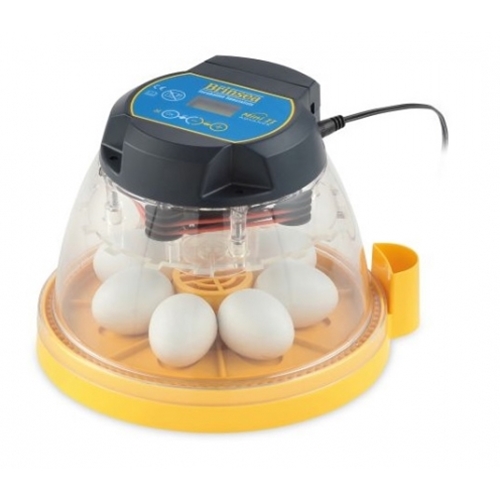
The Brinsea Mini II Advance handles seven hen eggs with the same digital control and automatic turning as its bigger siblings, at $299.99. Seven eggs sounds small until you match it to how many homesteads actually operate: replacing three or four layers a year, testing fertility on a new rooster, or letting kids hatch a clutch for 4-H without committing to fifty chicks.
The clear dome gives a full view of the hatch, the digital display shows temperature and days remaining, and programmed auto-turn stops turning two days before hatch exactly as textbook incubation calls for. It carries the same 3-year warranty as the Ovation. For deliberate, small-batch hatching, this is the best egg incubator in its class — precise enough that every egg gets a fair chance.
What Matters Most in the Best Egg Incubator for Your Homestead
Automation determines your hatch rate more than any other spec. Chicken eggs incubate for 21 days at 99.5°F in forced-air machines, need 40 to 50 percent humidity for the first 18 days, and must be turned several times daily until lockdown. Machines that automate turning and humidity remove the two failure points that end most first hatches. The University of Florida’s embryology guide covers the full incubation calendar and is worth reading before your first set.
Capacity should match your brooder, not your ambition. Every egg that hatches needs weeks of heated brooder space, feed, and eventually coop room — 3 to 4 square feet each once they join the flock. Hatch in batches your infrastructure can absorb.
And remember the alternative that ships with certain hens: a committed broody does everything an incubator does, on her own thermostat. Our hen hatchery guide covers natural hatching, and our guide to introducing new birds to an established flock picks up where the incubator leaves off. If you’re hatching to insulate your flock from hatchery disruptions, review our bird flu protection guide before bringing in outside hatching eggs.
Best Egg Incubator FAQ
What is the best egg incubator for beginners?
The IncuView 3 Pro is the best egg incubator for beginners: automatic turning, a factory-set thermostat, humidity monitoring, and a clear 360-degree dome for $160. Its 28-egg capacity fits a first flock, and the full-view dome makes it easy to learn what a healthy hatch looks like.
How long does it take to hatch chicken eggs in an incubator?
Chicken eggs hatch in 21 days at 99.5°F in a forced-air incubator. Stop turning at day 18, raise humidity for lockdown, and leave the lid closed until chicks are dry. Duck eggs run 28 days and quail around 17 to 18 days.
Do you need automatic egg turning?
Eggs must be turned three to five times a day for the first 18 days, so either the machine does it or you do — including weekends and workdays. Automatic turning is the single feature most responsible for beginner hatch-rate improvement, and every pick in this guide includes it.
What humidity should an egg incubator run?
Hold 40 to 50 percent relative humidity for days 1 through 18, then raise it to 65 percent or higher for the final three days so chicks don’t stick to their membranes. Machines with automatic humidity control, like the Brinsea Ovation 28 EX, manage this transition on their own.
Is an incubator better than a broody hen?
An incubator hatches on your schedule and at your chosen scale; a broody hen hatches free but only when she decides to sit. Most homesteads eventually use both — an incubator for planned batches and any reliable broody as a bonus. A hen also brooders her own chicks, which an incubator can’t do.
More Poultry Guides from Current Homesteading
- Hen Hatchery: Hatching Chicks the Natural Way
- Best Chicken Coop: The 2026 Homestead Buyer’s Guide
- How To Introduce a New Generation to an Established Chicken Flock
- Bird Flu and Backyard Chickens: How to Protect Your Flock in 2026
- How to Raise Chickens on a Budget
- Homegrown Eggs: Are They Safe?
Reader Favorites
Homestead reference charts
Three field guides worth bookmarking — canning times, cellar storage, and safe cooking temps.
| Food | Pressure | Pint |
|---|---|---|
| Green beans | 10 lb | 20m |
| Corn | 10 lb | 55m |
| Tomatoes | water bath | 35m |
USDA/NCHFP processing times & pressures for common foods.
View full chart →| Item | Store | Keeps |
|---|---|---|
| Onions | cool, dry | 9 mo |
| Potatoes | cellar | 4–6 mo |
| Apples | cellar | 6 mo |
How long fruit & veg keep in the cellar, fridge and freezer.
View full chart → Network| Doneness | Target |
|---|---|
| Rare | 125–130°F |
| Medium-rare | 130–135°F |
| Well-done | 160°F+ |
Safe pull temps for steak & burgers, from Popular BBQ.
View full chart →