How to Preserve Tomatoes: 5 Proven Methods for a Full Pantry (2026)
Five reliable ways to preserve a tomato harvest — canning, freezing, drying, sauce and salsa — plus the one safety step every canned method shares.
Self-reliance tips, rural living guides, and off-grid skills, every Friday.
Unsubscribe anytime.
✓ You're in! Check your inbox to confirm.

How to can salsa safely: why the tested ratio of tomatoes to peppers and vinegar is a safety feature, plus a step-by-step water-bath method.
Read More →Putting food by, safely. Water-bath and pressure canning, approved ratios, dehydrating and freezing, plus the botulism rules every home canner needs to know cold.
Five reliable ways to preserve a tomato harvest — canning, freezing, drying, sauce and salsa — plus the one safety step every canned method shares.
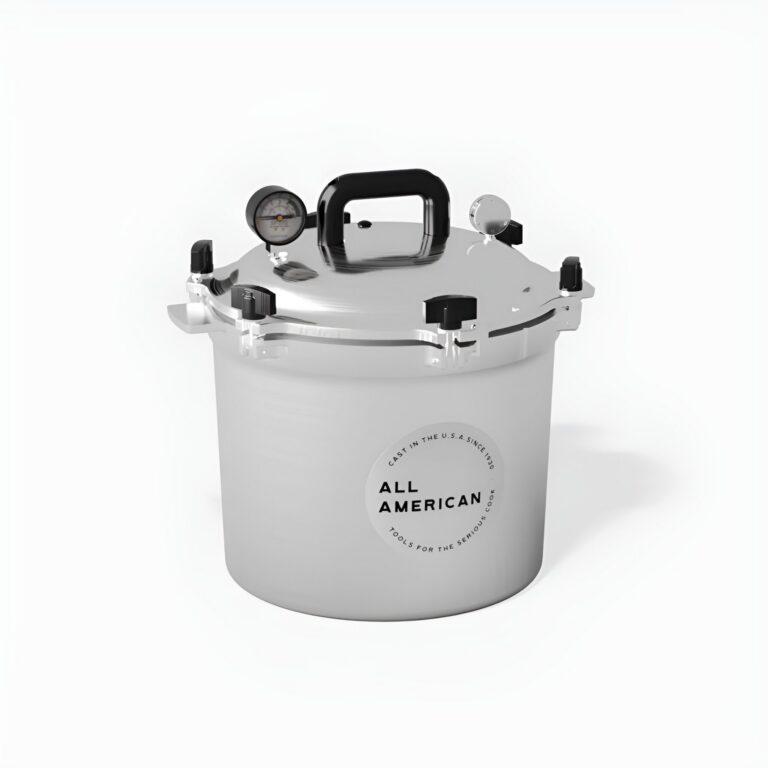
All American and Presto pressure canners ranked for homestead canning — capacity, gauge design, electric options, and glass-cooktop compatibility compared.
Four food dehydrators from Excalibur, Cosori, and Nesco ranked for homestead harvests — capacity, airflow, temperature range, and expandability compared.
A first-season canning preserving guide grounded in USDA and NCHFP standards: pressure canning vs water bath, equipment, safe acidity, shelf life, and a tested salsa recipe with full schema.
A small-batch rhubarb-ginger freezer jam that captures the bright spring flavor water-bath canning cooks away. 35 minutes active, yields 4 half-pints, keeps 12 months frozen.
A home food pantry is more than a storage space. It is a smart system that protects your budget, saves time, and gives your family peace of mind. With food prices staying unpredictable, many households are turning to pantry building as a practical step toward self-sufficiency. You do not need a basement or a large…
As late September homesteading tasks kick into high gear, the calendar flips to late September 2025, with autumn’s golden glow lighting up your homestead amid urgent, rewarding energy. If you’re like the thousands of homesteaders buzzing on social media right now (think epic harvest hauls and frantic winter prep posts), you’re knee-deep in the…
Top 10 Off-Grid Homesteading Skills for Self-Sufficient Living in 2026 Master off-grid homesteading 2026 with 10 essential skills for self-sufficient living, from water management to biogas production. These skills empower you to thrive independently, whether on a rural homestead or in an emergency. Reflecting 2026 trends like sustainable practices and renewable energy, this guide ensures…
Late June brings a vibrant harvest to your homestead garden, perfect for firing up a homestead BBQ. Romaine lettuce, green beans, radishes, and peas are at their peak, ready to shine in outdoor dishes that celebrate self-sufficiency. This article shares three unique recipes, each using a different cooking method—grilling, smoking, and griddle-searing—to make the most…
Top Homesteading Trends in 2026: What’s Buzzing in the Community Hey there, homesteaders and curious folks! If you’re wondering what’s got the homesteading community all fired up in 2026, you’re in the right place. Homesteading is more than just a lifestyle—it’s a movement toward sustainable living, self-reliance, and a deeper connection with the land…
Hey homesteaders! If you’re living that off-grid, close-to-nature life, you’ve probably dealt with your fair share of critters. But there’s one tiny troublemaker you might not think about often: Hantavirus, and how to prevent it while homesteading. In this post, we’ll explore why this virus is a concern for homesteaders and provide practical Hantavirus prevention…
Homesteaders can easily render beef tallow at home, turning beef fat from suet or trimmings into a versatile, shelf-stable cooking fat. This traditional process aligns with the self-sufficient, zero-waste ethos of homesteading, using byproducts from cattle you raise or source locally. Beyond cooking, beef tallow shines in soap-making, candles, balms, lotions, and even leather conditioning….