Home Food Pantry: How to Build One That Saves Money
PublishedUpdated
A home food pantry is more than a storage space. It is a smart system that protects your budget, saves time, and gives your family peace of mind. With food prices staying unpredictable, many households are turning to pantry building as a practical step toward self-sufficiency.
You do not need a basement or a large homestead to get started. You need a clear plan, a few simple tools, and habits that make your pantry work for you.
This guide walks you through every step.
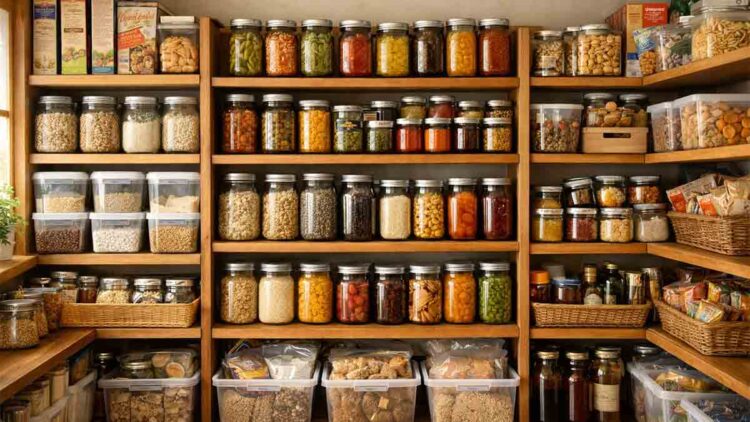
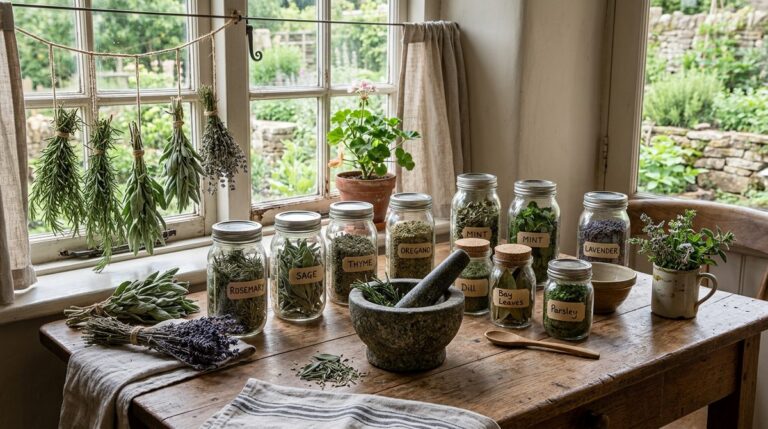
A well-organized home food pantry showing labeled jars, canned goods, and dry staples arranged for easy access and long-term food storage.
Why a Home Food Pantry Matters Right Now
A strong pantry helps you buy food when prices drop, reduce last-minute grocery trips, prepare for short-term disruptions, cut down on waste, and cook more meals at home.
For many families, a home food pantry becomes the bridge between everyday living and long-term food security.
Your pantry does not need to be fancy. It needs to be cool, dry, and easy to reach. Good pantry locations include a hall closet, kitchen cabinet, spare shelf, laundry room, or a clean basement corner.
Step 2: Start With a Smart Pantry Stocking Guide
Before buying food, decide what your family actually eats. A pantry stocking guide keeps you from wasting money on items that sit unused.
Grains — rice, pasta, oats, flour
Proteins — beans, canned meat, peanut butter
Fruits and vegetables — canned, dried, freeze-dried
Cooking basics — oil, salt, sugar, spices
Step 3: Build on a Budget
A strong home food pantry does not require big spending. Use food storage on a budget strategies like watching weekly sales, buying in bulk during price drops, and choosing store brands.
Step 4: Add Emergency Food Storage the Right Way
Emergency food storage protects you from storms, illness, job changes, and supply disruptions. Start with three days of ready-to-eat food, one week of easy meals, and two weeks of pantry staples.
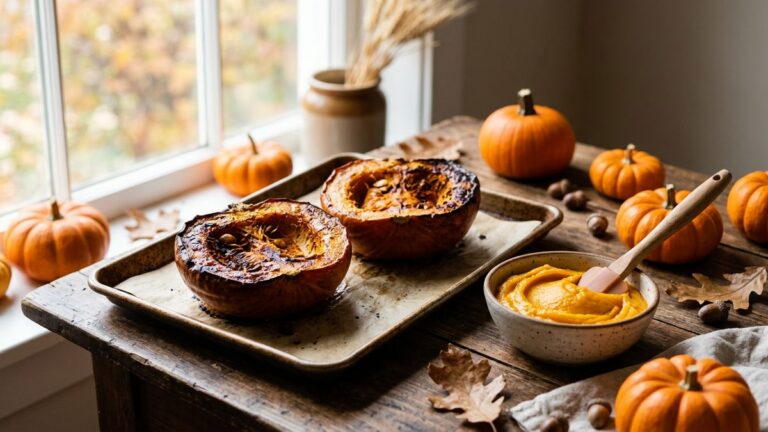
Roast, boil, steam or pressure-cook a pie pumpkin into puree, keep it in the fridge or freezer, and can pumpkin the only tested way: as cubes in a pressure canner.
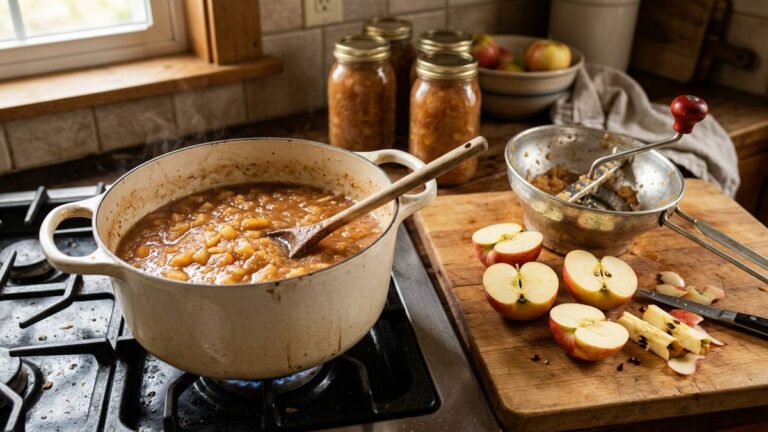
Homemade applesauce from the NCHFP procedure, with yield math by the pound and bushel, both tested canning methods, freezer headspace and the egg-swap ratio.
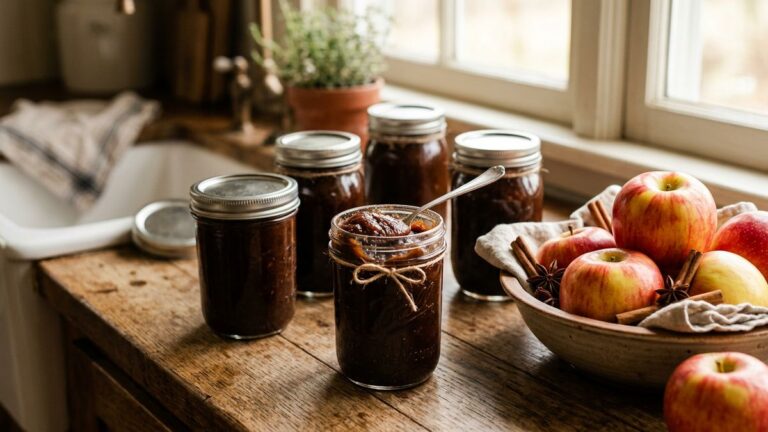
The tested NCHFP apple butter recipe, cooked on the stove or in a slow cooker, with both doneness tests, a batch scaler and canning times for every altitude.
Home canning season is here. Learn how to prevent botulism when canning low-acid foods, which method to use, and the warning signs before you taste a jar.