How to Preserve Tomatoes: 5 Proven Methods for a Full Pantry (2026)
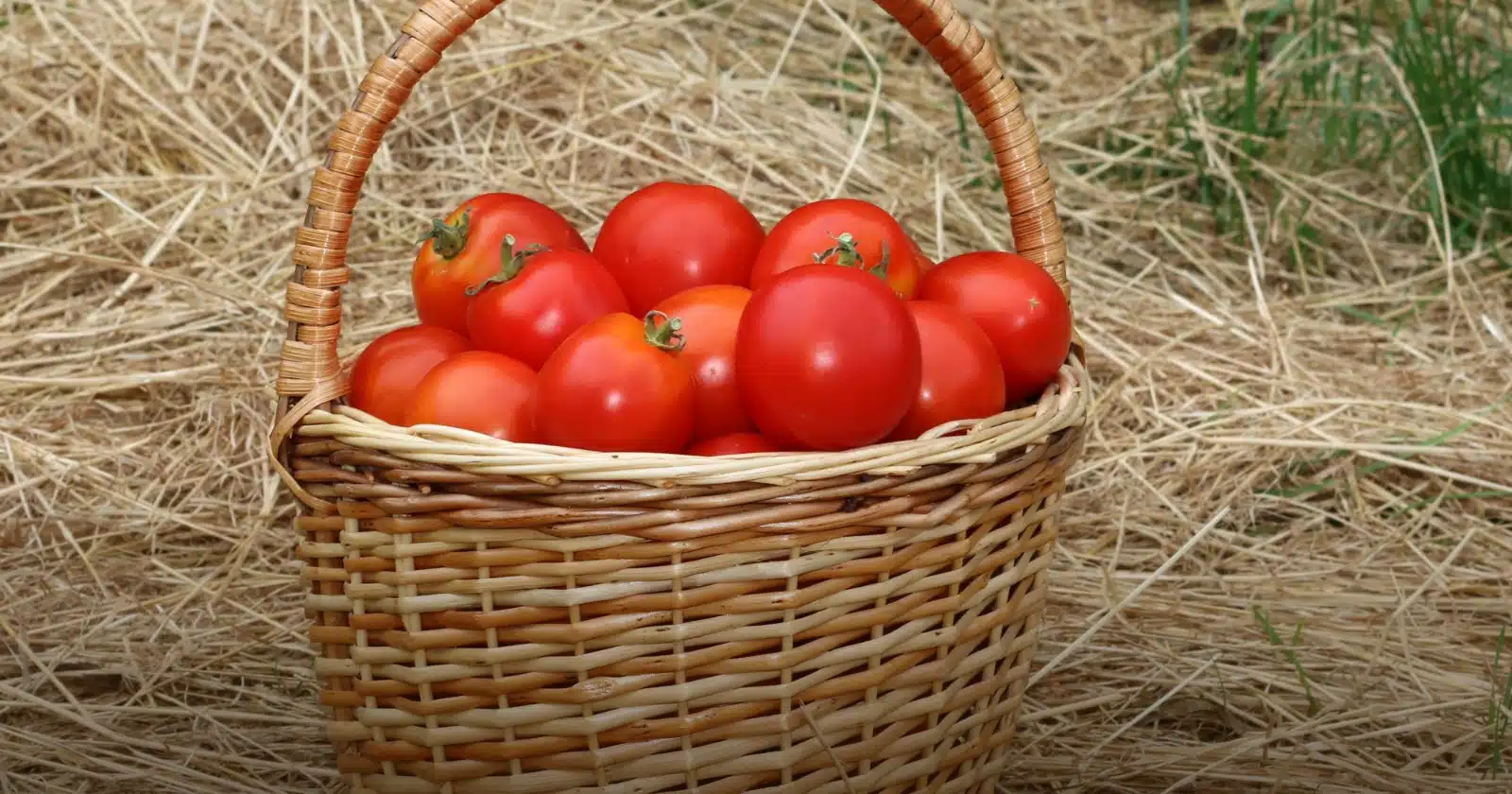
Learning how to preserve tomatoes is the difference between a countertop avalanche in late summer and a pantry that keeps feeding you straight through winter. When the vines come in all at once — and they always do — a single plan is not enough. You want a few reliable methods you can reach for depending on the day, the weather, and how much counter space you have left.
Originally published: August 7, 2026
This guide walks through the five dependable ways homesteaders put up tomatoes, how to choose between them, and the one safety step that every canned method shares. Each section links to a full step-by-step guide when you are ready to dig in.
Quick answer: The five reliable ways to preserve tomatoes are water-bath canning, freezing, drying, and putting up sauce or salsa. Freezing is the fastest and needs no special gear. Canning stores longest at room temperature. Whatever method you pick, always add bottled lemon juice or citric acid — fresh tomatoes are not acidic enough to can safely on their own.
On this page
- How to Preserve Tomatoes: Which Method Fits Your Harvest?
- Method 1: Canning Tomatoes in a Water Bath
- Method 2: Freezing Tomatoes
- Method 3: Canning Tomato Sauce
- Method 4: Canning Salsa
- Method 5: Dehydrating Tomatoes
- The One Safety Rule Every Canned Method Shares
- What to Do With a Real Tomato Glut
- Watch: Processing Tomatoes at Home
- Tomato Preservation FAQ
How to Preserve Tomatoes: Which Method Fits Your Harvest?
Knowing how to preserve tomatoes comes down to matching the method to your harvest and your week. The right method depends on how you cook, how much freezer or shelf space you have, and how much time this week allows. Freezing wins on speed. Canning wins on shelf-stable storage. Drying wins on space. Here is how they compare at a glance.

| Method | Best for | Gear needed | Shelf life | Effort |
|---|---|---|---|---|
| Freezing | Busy days, small batches | Freezer, bags | 8–12 months (frozen) | Very low |
| Water-bath canning | Whole, crushed & diced | Canner, jars, lids | 12–18 months (shelf) | Moderate |
| Drying | Snacks, small storage space | Dehydrator or oven | 6–12 months | Low, but slow |
| Sauce (canned) | Weeknight cooking | Canner, jars | 12–18 months (shelf) | Higher |
| Salsa (canned) | Snacking, gifts | Canner, jars | 12–18 months (shelf) | Moderate |


Method 1: Canning Tomatoes in a Water Bath
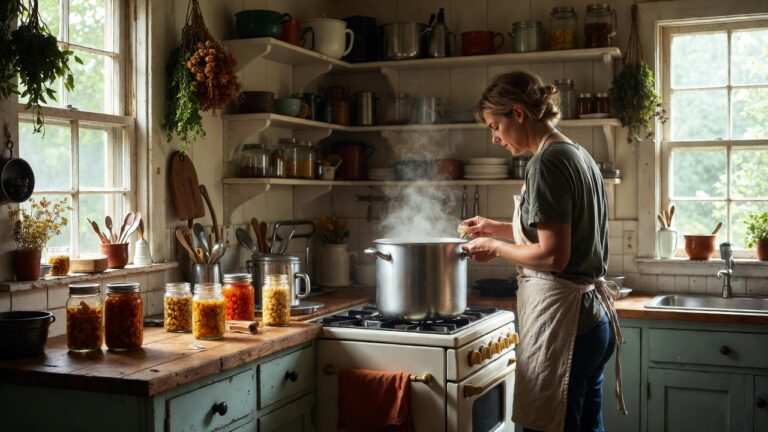
Water-bath canning is the classic homestead move: clean jars of whole, halved, crushed, or diced tomatoes that sit on a shelf for a year or more. It rewards a little care with a pantry you can cook from all winter. The process is simple once you learn it — acidify each jar, pack, process, and let the lids seal.
Because tomatoes sit right on the edge of safe canning acidity, this is the method where following a current, tested recipe matters most.
Full walkthrough: Canning Tomatoes: The Water-Bath Guide.
Method 2: Freezing Tomatoes
Freezing is the method to reach for when you are tired, short on time, or only have a colander of tomatoes to deal with. There is no canner to heat and no processing schedule to hit. You can freeze tomatoes whole, and the skins slip right off under warm water when you thaw them for a sauce or stew.
The trade-off is texture: thawed tomatoes go soft, so they shine in cooked dishes rather than fresh salads. For most homestead kitchens, that is exactly what winter cooking calls for.
Full walkthrough: How to Freeze Tomatoes (No Blanching Needed).
Method 3: Canning Tomato Sauce
Turning a heavy harvest into smooth, canned sauce is one of the most satisfying days on the homestead calendar. You cook the tomatoes down, run them through a mill or blender, and process the jars so they keep on the shelf. One good afternoon can stock a winter of pasta nights, soups, braises, and even a batch of homemade barbecue sauce over at our sister site Popular BBQ.
Once your tomatoes are put up, turn them into something for the grill: our friends at PopularBBQ show you how to make homemade BBQ sauce from scratch.
Full walkthrough: Canning Tomato Sauce, Start to Finish.
Method 4: Canning Salsa
Salsa is where a tomato glut turns into gifts and game-day jars. The catch is that salsa mixes low-acid onions, peppers, and garlic into the tomatoes, so the recipe ratios are a safety feature, not a suggestion. Stick to a tested recipe and you get bright, shelf-stable jars every time.
Full walkthrough: Canning Salsa With Safe, Approved Ratios.
Method 5: Dehydrating Tomatoes
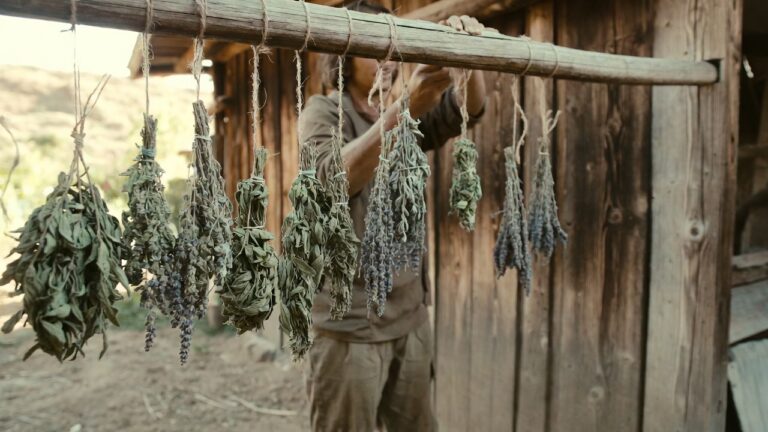
Drying shrinks a full basket of tomatoes down to a jar you can tuck in a cupboard. Dried and oil-packed tomatoes carry an intense, sweet flavor that lifts pasta, bread, and eggs all winter. This is the best method when freezer and shelf space are both tight.
Full walkthrough: Dehydrating Tomatoes and Making Sun-Dried at Home.
The One Safety Rule Every Canned Method Shares
Fresh tomatoes hover right around the line between high-acid and low-acid foods, and modern varieties can drift to the low-acid side. That is why every trustworthy tomato-canning recipe tells you to add acid before processing. It is the single step that keeps home-canned tomatoes safe from Clostridium botulinum.
Acidify every jar (USDA / NCHFP guidance):
Per quart: 2 tablespoons bottled lemon juice or ½ teaspoon citric acid.
Per pint: 1 tablespoon bottled lemon juice or ¼ teaspoon citric acid.
Use bottled lemon juice for a reliable acidity level, and only follow current, tested recipes from the USDA Complete Guide to Home Canning, the National Center for Home Food Preservation, or Ball. Adjust processing time for your altitude. This article is general guidance, not a substitute for a tested recipe.
What to Do With a Real Tomato Glut
Some weeks the vines simply win. When you have more tomatoes than any single method can handle, the answer is to mix and match — freeze a few bags today, dry a tray overnight, and save the canning for a cooler morning. Our overflow playbook has a full triage plan.
Full guide: What to Do With Too Many Tomatoes.
Watch: Processing Tomatoes at Home
This University of Illinois Extension webinar walks through canning, freezing, and drying tomatoes safely, a helpful visual companion to the methods below.
Video: Processing Tomatoes at Home: Fill Your Pantry Webinar Series by University of Illinois Extension, via YouTube. If the player does not load, use that link to watch on YouTube.
Tomato Preservation FAQ
What is the easiest way to preserve tomatoes?
Freezing is the easiest way to preserve tomatoes. Wash them, core them, and slide them whole into freezer bags — no blanching, canner, or special skill required. The skins peel off easily after thawing, and frozen tomatoes work beautifully in any cooked dish.
Do you have to add lemon juice when canning tomatoes?
Yes. Add 2 tablespoons of bottled lemon juice (or ½ teaspoon citric acid) per quart, and half that per pint. Tomatoes are not consistently acidic enough to can safely without it, and acidifying protects against botulism whether you use a water bath or a pressure canner.
How long do preserved tomatoes last?
Properly canned tomatoes keep their best quality for 12 to 18 months on a cool, dark shelf. Frozen tomatoes hold well for 8 to 12 months, and dried tomatoes last 6 to 12 months in an airtight container. All stay safe longer when stored correctly, though flavor slowly fades.
Can you preserve tomatoes without canning?
Absolutely. Freezing and drying both preserve tomatoes with no canner at all. Freezing needs only bags and freezer space, while drying needs a dehydrator or a low oven. Both are excellent starting points if you are new to putting up a harvest.
Do you need to peel tomatoes before preserving them?
It depends on the method. Peeling gives smoother canned tomatoes and sauce, and it is easy after a quick dip in boiling then ice water. For freezing you can skip peeling entirely, since the skins slip off after thawing.
What is the best way to preserve tomatoes for beginners?
Freezing is the best starting point. It needs no canner and no blanching: wash, core, and freeze tomatoes whole, then use them in cooked dishes all winter.
Can you preserve tomatoes without a pressure canner?
Yes. Properly acidified tomatoes can be safely water-bath canned, and freezing and drying need no canner at all. A pressure canner is optional, not required, for tomatoes.
More Food Preservation Guides from Current Homesteading
- The Canning and Preserving Guide for 2026
- Best Pressure Canner: The 2026 Homestead Canning Guide
- Best Food Dehydrator: The 2026 Homestead Harvest Guide
- Home Canning Safety: The Botulism Rules to Recheck
About the author: James Nicholas writes Current Homesteading’s food-preservation and self-reliance guides. He focuses on translating tested USDA and extension-service methods into plain, workable steps for real home kitchens, so readers can put up a harvest with confidence.


Reader Favorites
Homestead reference charts
Three field guides worth bookmarking — canning times, cellar storage, and safe cooking temps.
| Food | Pressure | Pint |
|---|---|---|
| Green beans | 10 lb | 20m |
| Corn | 10 lb | 55m |
| Tomatoes | water bath | 35m |
USDA/NCHFP processing times & pressures for common foods.
View full chart →| Item | Store | Keeps |
|---|---|---|
| Onions | cool, dry | 9 mo |
| Potatoes | cellar | 4–6 mo |
| Apples | cellar | 6 mo |
How long fruit & veg keep in the cellar, fridge and freezer.
View full chart → Network| Doneness | Target |
|---|---|
| Rare | 125–130°F |
| Medium-rare | 130–135°F |
| Well-done | 160°F+ |
Safe pull temps for steak & burgers, from Popular BBQ.
View full chart →