Dehydrating Tomatoes: Dryer, Oven and Sun-Dried at Home (2026)
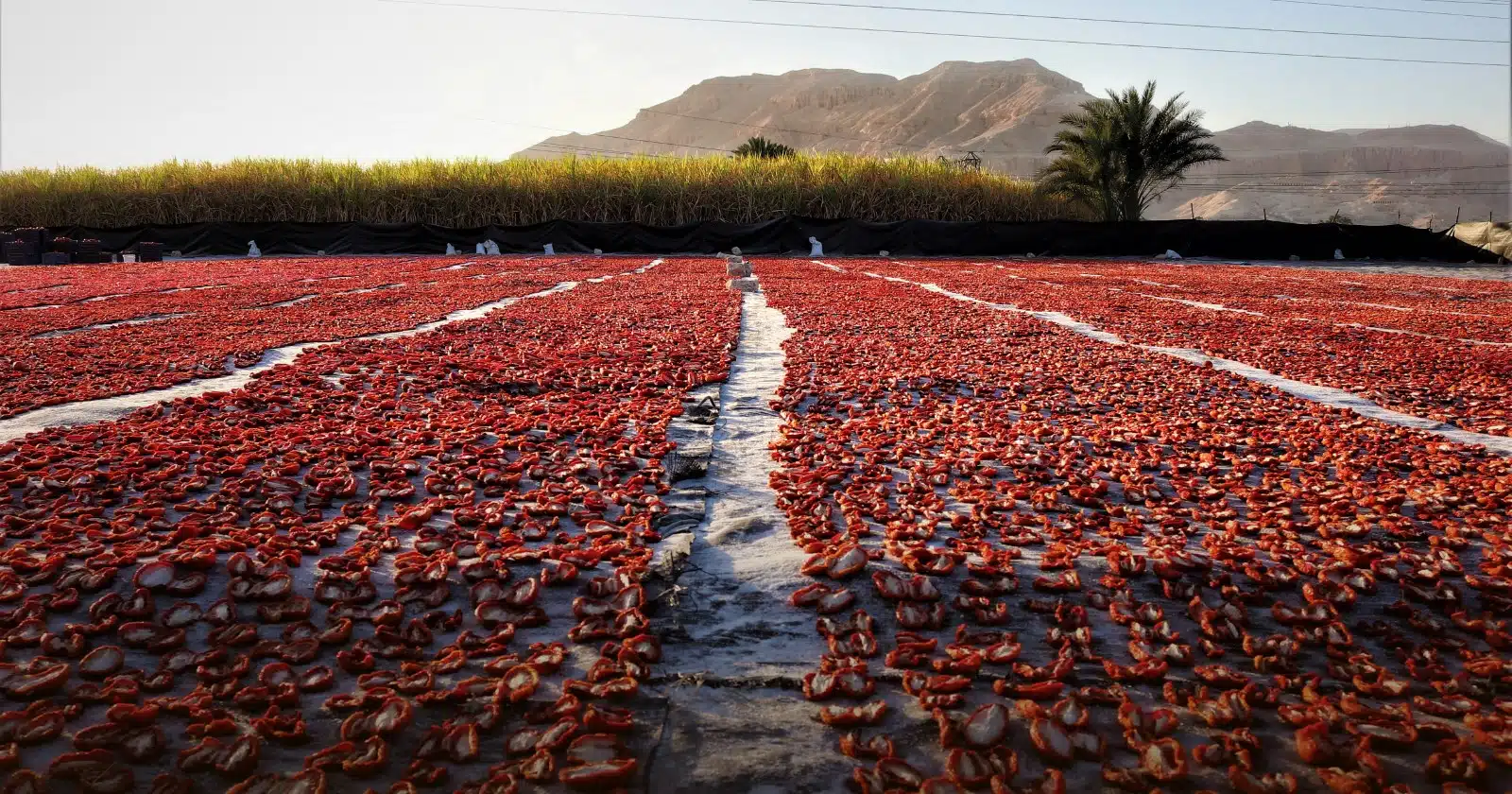
Dehydrated tomatoes shrink a full basket down to a jar you can tuck in the cupboard. Drying concentrates their sugars into an intense, sweet-tart bite that lifts pasta, bread, eggs, and winter soups. When freezer and shelf space are both tight, this is the method that stores the most flavor in the least room. For a deeper look at drying for emergencies and long-term storage, our sister site Popular Outdoorsman compares dehydrating versus freeze-drying.
Quick answer: To dehydrate tomatoes, slice them evenly, lay them skin-side down on trays, and dry at 135°F in a dehydrator (or the lowest oven setting) for 6 to 12 hours until leathery and brittle at the edges. Store the fully dried tomatoes in an airtight jar, or refrigerate them if you pack them in oil.
On this page
Dehydrator, Oven, or Sun?
A food dehydrator is the easiest and most reliable tool, with steady low heat and airflow that dries tomatoes evenly overnight. A low oven works if it holds around 135 to 150°F, ideally with the door cracked. True sun-drying needs long, hot, low-humidity days and protection from insects, so most homesteaders reach for a dehydrator instead.

How to Dehydrate Tomatoes, Step by Step
- Wash and slice. Cut tomatoes into even 1/4-inch slices, or halve small paste tomatoes and cherry tomatoes. Even thickness means even drying.
- Arrange on trays. Lay slices in a single layer, skin-side down, not touching. Sprinkle with salt or herbs if you like.
- Dry low and slow. Set the dehydrator to 135°F and dry 6 to 12 hours. Time varies with slice thickness, moisture, and humidity.
- Check for doneness. Fully dried tomatoes are leathery and brittle at the edges with no soft or moist spots. Any moisture left invites mold.
- Condition and store. Cool completely, pack loosely in a jar, and shake daily for a week to spot any moisture. Store airtight in a cool, dark place.
Oil-packed dried tomatoes must be refrigerated. Dried tomatoes stored dry in a jar are shelf-stable, but the moment you cover them in oil you create a low-oxygen environment where botulism can grow. Keep oil-packed dried tomatoes in the refrigerator and use them within a few days to two weeks, not on the pantry shelf.
How to Store and Use Dehydrated Tomatoes
Drop a few dried tomatoes into simmering soups and sauces and they rehydrate as they cook. Cover them in warm water for 20 minutes to plump them for pasta and salads, or grind fully dried ones into a powder that turns into instant tomato paste or a savory seasoning. A little goes a long way, which is exactly why this method earns its cupboard space.
How to Make Sun-Dried Tomatoes at Home
Sun-dried tomatoes rarely need actual sun. The name describes the intense, chewy result, which a dehydrator or low oven delivers far more reliably than the weather.
- Dehydrator: Halve plum or Roma tomatoes, salt lightly, and dry at 135°F for 8 to 12 hours until leathery and pliable, not brittle.
- Oven: Use the lowest setting (about 150°F), place halves cut-side up on a rack, and dry with the door cracked for 6 to 10 hours.
- True sun: Only practical in hot, dry climates with several days above 85°F, kept covered from insects.
Store fully dried sun-dried tomatoes airtight in a cool, dark place. If you pack them in oil for that deli texture, keep the jar refrigerated and use it within one to two weeks, since oil-packing removes oxygen and raises the botulism risk. See the National Center for Home Food Preservation for detailed drying guidance.
Watch: Drying Tomatoes at Home
Oklahoma State University Extension’s Oklahoma Gardening shows how to slice, arrange, and dry tomatoes for storage.
Video: Drying Tomatoes by OKGardeningClassics (Oklahoma State University Extension), via YouTube. If the player does not load, use that link to watch on YouTube.
Dehydrating Tomatoes FAQ
What temperature should I dehydrate tomatoes at?
Dry tomatoes at about 135°F. That temperature is warm enough to pull moisture quickly without cooking the tomatoes, which preserves color and flavor. In an oven, use the lowest setting and crack the door.
How long does it take to dehydrate tomatoes?
Most slices take 6 to 12 hours, depending on thickness, moisture, and humidity. Cherry tomato halves can take longer because their skins hold moisture in. Judge by texture, not the clock: they should be leathery to brittle with no soft spots.
How long do dehydrated tomatoes last?
Fully dried, airtight, and stored in a cool dark spot, dehydrated tomatoes keep well for 6 to 12 months. For longer storage, keep them in the freezer. Oil-packed dried tomatoes must be refrigerated and used quickly.
Do I need to peel tomatoes before drying?
No. The skins are fine to leave on and help the slices hold together. Just slice evenly and lay them skin-side down so the cut face dries freely.
How do you make sun-dried tomatoes in the oven?
Halve plum or Roma tomatoes, place them cut-side up on a rack, and dry at the oven lowest setting (about 150F) with the door cracked for 6 to 10 hours until leathery but pliable.
Are sun-dried tomatoes healthy?
Yes, in moderation. Drying concentrates the nutrients and fiber of fresh tomatoes, including lycopene. Watch the sodium on heavily salted or oil-packed versions if you are limiting salt or fat.
How long do sun-dried tomatoes last?
Fully dried and stored airtight in a cool, dark place, they keep 6 to 12 months, or longer frozen. Oil-packed sun-dried tomatoes must be refrigerated and used within one to two weeks.
Do sun-dried tomatoes need to be refrigerated?
Dry-stored ones do not, but once packed in oil or after opening a store-bought oil jar, refrigerate them. The oil creates a low-oxygen environment where bacteria can grow at room temperature.
More Tomato Preservation Guides from Current Homesteading
- How to Preserve Tomatoes: 5 Proven Methods
- Best Food Dehydrator: The 2026 Harvest Guide
- How to Freeze Tomatoes (No Blanching Needed)
- What to Do With Too Many Tomatoes
About the author: James Nicholas writes Current Homesteading’s food-preservation guides, translating tested USDA and extension-service methods into plain, workable steps for the home kitchen.
Reader Favorites
Homestead reference charts
Three field guides worth bookmarking — canning times, cellar storage, and safe cooking temps.
| Food | Pressure | Pint |
|---|---|---|
| Green beans | 10 lb | 20m |
| Corn | 10 lb | 55m |
| Tomatoes | water bath | 35m |
USDA/NCHFP processing times & pressures for common foods.
View full chart →| Item | Store | Keeps |
|---|---|---|
| Onions | cool, dry | 9 mo |
| Potatoes | cellar | 4–6 mo |
| Apples | cellar | 6 mo |
How long fruit & veg keep in the cellar, fridge and freezer.
View full chart → Network| Doneness | Target |
|---|---|
| Rare | 125–130°F |
| Medium-rare | 130–135°F |
| Well-done | 160°F+ |
Safe pull temps for steak & burgers, from Popular BBQ.
View full chart →