How to Freeze Tomatoes (No Blanching Needed) 2026
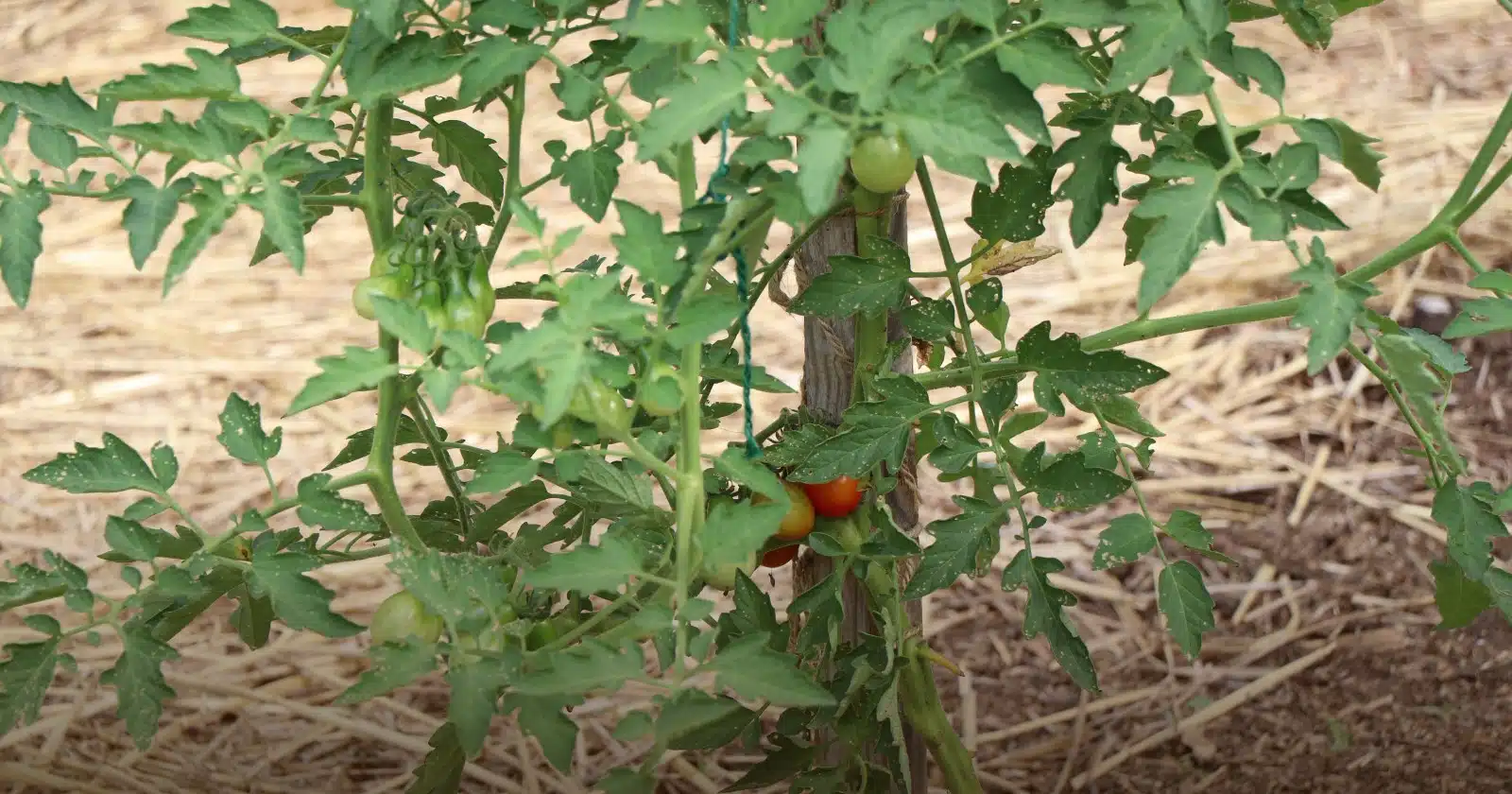
If you want to know how to freeze tomatoes without any special gear, here is the good news: it is the easiest preservation method there is. No canner, no processing chart, no blanching required. When the harvest outpaces your energy, the freezer is the friend that lets you save every tomato in minutes and deal with them later.
Originally published: August 7, 2026
Quick answer: To freeze tomatoes, wash and dry them, cut out the cores, and place them whole on a tray to freeze solid. Transfer the frozen tomatoes to labeled freezer bags, press out the air, and store for up to a year. No blanching needed — the skins slip right off under warm water when you thaw them.
On this page
Why Freezing Tomatoes Works So Well
Freezing trades a little texture for a lot of convenience. The ice crystals soften the cell walls, so thawed tomatoes turn saucy rather than staying firm. That is a drawback for a fresh salad but a gift for winter cooking, where nearly everything you make with tomatoes gets simmered anyway. Soups, sauces, chili, and braises never know the difference.


How to Freeze Tomatoes, Step by Step
- Wash and dry. Rinse the tomatoes well and pat them dry so they do not clump into an icy block.
- Core them. Cut out the tough stem end. You can freeze tomatoes whole, halved, or diced — whole is the least work.
- Tray-freeze first. Spread the tomatoes in a single layer on a baking sheet and freeze until solid, a few hours. This keeps them from freezing into one lump.
- Bag and label. Transfer the frozen tomatoes to freezer bags or containers, press out as much air as you can, and label with the date.
- Store. Keep them at 0°F for the best quality. They stay good for 8 to 12 months.
When you are ready to cook, run a frozen tomato under warm water for a few seconds and the skin peels away on its own — no boiling-water dip needed.
Freezing Whole vs. Crushed vs. Roasted
| Style | Prep time | Best for |
|---|---|---|
| Whole | Minutes | Sauces and soups later |
| Crushed or pureed | Moderate | Ready-to-pour sauce base |
| Roasted | About an hour | Deep flavor, small storage |
Roasting first concentrates the flavor and shrinks the volume, so it is a smart move when freezer space is the limiting factor. If you are weighing methods for long-term or off-grid storage, our sister site Popular Outdoorsman breaks down dehydrating versus freeze-drying. For maximum shelf life with no freezer at all, canning tomatoes or drying them are the better routes.
Freezing Cherry, Whole, Green, and Diced Tomatoes
The whole-tomato method adapts to nearly every kind of tomato with small tweaks:
- Cherry tomatoes: Freeze them whole and unpeeled on a tray, then bag. They hold their shape until they hit a hot pan, where they burst into a quick sauce.
- Whole slicing tomatoes: Core and freeze whole; the skins slip off under warm water after thawing.
- Green tomatoes: Slice or dice, freeze on a tray, then bag for fried green tomatoes or relish later.
- Diced tomatoes: Dice, freeze flat in a bag, and break off what you need for soups and chili.
To freeze tomatoes specifically for sauce, core and roughly chop them, then freeze in measured portions you can drop straight into the pot. For long-term, shelf-stable storage instead, see our water-bath canning guide. The National Center for Home Food Preservation publishes detailed freezing guidance as well.
Watch: How to Freeze Tomatoes
The University of Maine Cooperative Extension shows how quick freezing tomatoes really is, from prep to bag.
Video: How to Freeze Tomatoes by The University of Maine, via YouTube. If the player does not load, use that link to watch on YouTube.
Freezing Tomatoes FAQ
Can you freeze tomatoes whole?
Yes, and it is the easiest option. Wash, core, and freeze them whole on a tray, then bag them. The skins slip off under warm water when thawed, so whole freezing skips both blanching and peeling.
Do you have to blanch tomatoes before freezing?
No. Unlike many vegetables, tomatoes do not need blanching before freezing. You can freeze them raw and whole, which is what makes this the fastest way to preserve a harvest.
How long do frozen tomatoes last?
Frozen tomatoes keep their best quality for 8 to 12 months at 0°F. They stay safe indefinitely while frozen solid, though the flavor and texture slowly decline after a year.
Can you freeze tomatoes in a glass jar?
You can, but leave plenty of headspace because liquid expands as it freezes, and use wide-mouth jars to avoid cracking. Freezer bags are more forgiving and save space.
Can you freeze cherry tomatoes?
Yes. Freeze cherry tomatoes whole and unpeeled on a tray, then transfer to bags. They hold their shape while frozen and burst into a quick sauce when added to a hot pan.
Can you freeze tomatoes for sauce?
Yes, and it is one of the best uses for frozen tomatoes. Core and roughly chop them, freeze in measured portions, and drop them straight into the pot, where they break down fast into sauce.
Can you freeze green tomatoes?
Yes. Slice or dice green tomatoes, freeze them on a tray so they do not clump, then bag them. They are ready for fried green tomatoes or relish later.
More Tomato Preservation Guides from Current Homesteading
- How to Preserve Tomatoes: 5 Proven Methods
- Canning Tomatoes: The Water-Bath Guide
- Dehydrating Tomatoes at Home
- What to Do With Too Many Tomatoes
About the author: James Nicholas writes Current Homesteading’s food-preservation guides, turning tested methods into plain, workable steps for the home kitchen.


Reader Favorites
Homestead reference charts
Three field guides worth bookmarking — canning times, cellar storage, and safe cooking temps.
| Food | Pressure | Pint |
|---|---|---|
| Green beans | 10 lb | 20m |
| Corn | 10 lb | 55m |
| Tomatoes | water bath | 35m |
USDA/NCHFP processing times & pressures for common foods.
View full chart →| Item | Store | Keeps |
|---|---|---|
| Onions | cool, dry | 9 mo |
| Potatoes | cellar | 4–6 mo |
| Apples | cellar | 6 mo |
How long fruit & veg keep in the cellar, fridge and freezer.
View full chart → Network| Doneness | Target |
|---|---|
| Rare | 125–130°F |
| Medium-rare | 130–135°F |
| Well-done | 160°F+ |
Safe pull temps for steak & burgers, from Popular BBQ.
View full chart →