
Foraging and Herbal Remedies: Homesteader’s Guide
Last updated: September 15, 2026 · Originally published October 17, 2025
Foraging and Herbal Remedies for Homesteaders
By Current Homesteading Team

Why Foraging and Herbal Remedies Are a Homesteader’s Best Friend
In the world of homesteading, foraging and herbal remedies unlock nature’s pharmacy right in your backyard, turning everyday weeds into powerful healers for cuts, colds, and more. Picture this: You’re knee-deep in homestead chores, the sun dipping low over your raised beds, when a nagging headache strikes or a scrape from the chicken coop needs tending. Instead of reaching for the overpriced medicine cabinet, what if the wild edges of your property held the cure? These skills aren’t just trendy survival hacks; they’re the backbone of true self-sufficiency. As homesteaders, we’re already wired for this—growing our own food, bartering with neighbors, and ditching the grid where we can. But foraging and herbal remedies elevate it, offering free, potent medicine straight from the earth.
In this guide, we’ll demystify foraging basics, spotlight safe plants for beginners, and share simple recipes that fit seamlessly into your homesteading rhythm. Whether you’re in a sprawling rural setup or squeezing it into an urban lot, these skills build resilience—one leaf at a time.
Safe Foraging 101: Rules to Forage By
Excitement is high when you spot that first dandelion puff, but hold up—safety first. The golden rule of foraging? Never consume anything you’re not 100% sure about. Misidentification can turn a remedy into regret, so start slow and smart.
- Know Your Turf: Stick to areas away from roadsides, polluted waters, or sprayed fields. Your homestead’s untamed corners are prime real estate.
- Tools of the Trade: Pack a field guide (like “Foraging: A Beginner’s Guide to Wild Edible and Medicinal Plants“), a basket, gloves, and a foraging app for cross-referencing.
- Harvest Ethically: Take only 10-20% from any patch to let nature regenerate. Leave roots intact for perennials.
- Seasonal Smarts: Fall’s your window for roots and berries; spring bursts with tender greens. Right now, in mid-October, hunt for late-season gems like goldenrod for teas.
Pro Tip: Join a local foraging walk or online community to learn from pros—it’s like homesteading boot camp, but with zero tuition.
Top 7 Forageable Plants for Herbal Remedies on Your Homestead
These backyard staples are hardy, abundant, and packed with healing punch. Focus on these for your first forays—they’re forgiving for beginners and versatile for homestead woes like colds, cuts, and tummy troubles.
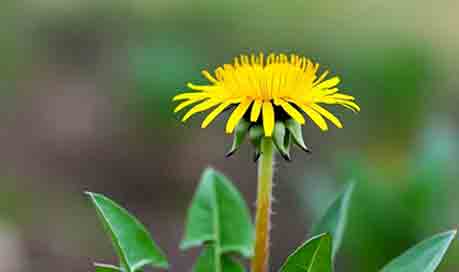
- Dandelion (Taraxacum officinale): The ultimate weed warrior. Roots for liver detox teas; leaves for diuretic salads. Harvest young leaves to avoid bitterness—perfect for spring tonic blends.
- Plantain (Plantago major): Your go-to for bug bites and scrapes. Crush leaves into a poultice for instant itch relief. Grows like a champ in compacted soil.
- Yarrow (Achillea millefolium): Stops bleeding fast—Achilles used it on the battlefield! Flowers for fever-breaking teas; stems for wound washes.
- Red Clover (Trifolium pratense): Lymphatic love for detox. Infuse blossoms into a sweet tea for hormonal balance. Abundant in meadows this time of year.
- Mullein (Verbascum thapsus): Lung hero for coughs. Dry leaves for smokable blends or ear oil. Forage those fuzzy towers before frost hits.
- Chickweed (Stellaria media): Cooling salve base for rashes. Eat fresh in salads or blend into creams—it’s a nutrient powerhouse.
- Goldenrod (Solidago spp.): Urinary tract ally. Late-fall flowers make allergy-busting honey infusions. Not ragweed’s evil twin—scout it out!
Remember, even “safe” plants can interact with meds—consult a herbalist if you’re on prescriptions.
Easy DIY Herbal Remedies: From Forage to Fix
Got your haul? Turn it into homestead gold with these no-fuss recipes. No fancy lab needed—just your kitchen and a dash of patience.
Quick Wound Salve (Plantain & Yarrow)
Ingredients: 1 cup fresh plantain/yarrow leaves, 1/2 cup beeswax, 1 cup olive oil.
- Infuse herbs in oil (solar method: jar in sunny window for 2 weeks).
- Strain, melt with beeswax over low heat, pour into tins. Slather on cuts for antimicrobial magic.
Immunity-Boosting Tea (Red Clover & Echinacea—Forage or Grow)
Steep 1 tsp dried red clover + 1 tsp echinacea root in hot water for 10 mins. Add honey from your hives. Sip daily to fend off fall sniffles.
Lung-Soothing Tincture (Mullein)
Fill a jar with fresh mullein leaves, top with vodka, shake daily for 4 weeks. Dropperful for coughs—your off-grid expectorant.
Storage Hack: Dry extras in your root cellar for year-round access. Label everything—homestead chaos is real!
Integrating Foraging into Your Homesteading Routine
Foraging isn’t a side quest; it’s the secret sauce to resilient living. Pair it with your garden: Dedicate a “medicine bed” for cultivated allies like calendula or lemon balm. Barter foraged teas at community swaps, or teach your kids—it’s legacy-building. Challenges? Weather wipes crops? Your wild patch has your back.
Recent homesteaders on X rave about mullein for “witchcraft-level” relief, blending it with raw milk routines for total wellness. Start small: One plant, one remedy per season. Before long, you’ll wonder how you ever lived without nature’s apothecary.
Ready to Forage? Your Next Steps
Grab that basket and hit the trails—your homestead’s wild side awaits.
What’s your first forage target? Drop it in the comments!
Disclaimer: This isn’t medical advice—consult pros for serious health issues.
You may also be interested in-
Late September Homesteading Tasks: 10 Fall Essentials
Reader Favorites
Homestead reference charts
Three field guides worth bookmarking — canning times, cellar storage, and safe cooking temps.
| Food | Pressure | Pint |
|---|---|---|
| Green beans | 10 lb | 20m |
| Corn | 10 lb | 55m |
| Tomatoes | water bath | 35m |
USDA/NCHFP processing times & pressures for common foods.
View full chart →| Item | Store | Keeps |
|---|---|---|
| Onions | cool, dry | 9 mo |
| Potatoes | cellar | 4–6 mo |
| Apples | cellar | 6 mo |
How long fruit & veg keep in the cellar, fridge and freezer.
View full chart → Network| Doneness | Target |
|---|---|
| Rare | 125–130°F |
| Medium-rare | 130–135°F |
| Well-done | 160°F+ |
Safe pull temps for steak & burgers, from Popular BBQ.
View full chart →


always show a pic of plants you report on