Bird Flu and Backyard Chickens: How to Protect Your Flock in 2026
Backyard chickens are at real risk from bird flu this spring, and the single most effective protection is not a vaccine or a treatment — it is biosecurity, the everyday routine that keeps your flock away from wild birds and the things wild birds touch.
The United States is in the middle of the largest avian influenza outbreak in its recorded history. As of spring 2026, the virus is no longer a problem confined to massive commercial layer barns. It has been confirmed in backyard flocks in states including Iowa and Kentucky, and spring migration is actively pushing it down the major flyways. If you keep birds, this is the season the threat is highest.
The good news for homesteaders: a small, well-managed flock is far easier to protect than a commercial operation. You control every variable. You just have to control them on purpose.

What bird flu is, and why 2026 is different
Bird flu — highly pathogenic avian influenza, or HPAI — is a virus that spreads among birds and is frequently fatal to domestic poultry. In an infected flock, it can move fast and kill most of the birds within days.
What makes the 2026 season different is scale and reach. This is the worst outbreak the country has seen, and it is no longer staying in commercial facilities. Wild waterfowl — ducks, geese, and shorebirds — carry the virus without always getting sick themselves, and as they move north along the flyways each spring, they shed it everywhere they land. That is how a virus in a wetland 200 miles away ends up in a backyard run in rural Iowa.
For a homesteader, the practical meaning is simple. The threat is not your neighbor’s flock. The threat is the sky.
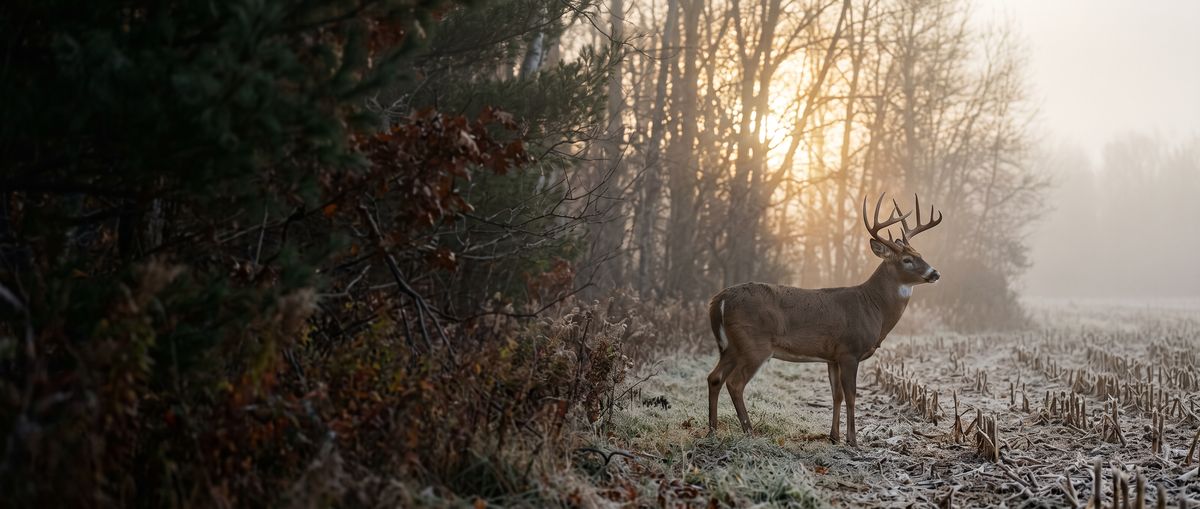

How the virus reaches a backyard flock
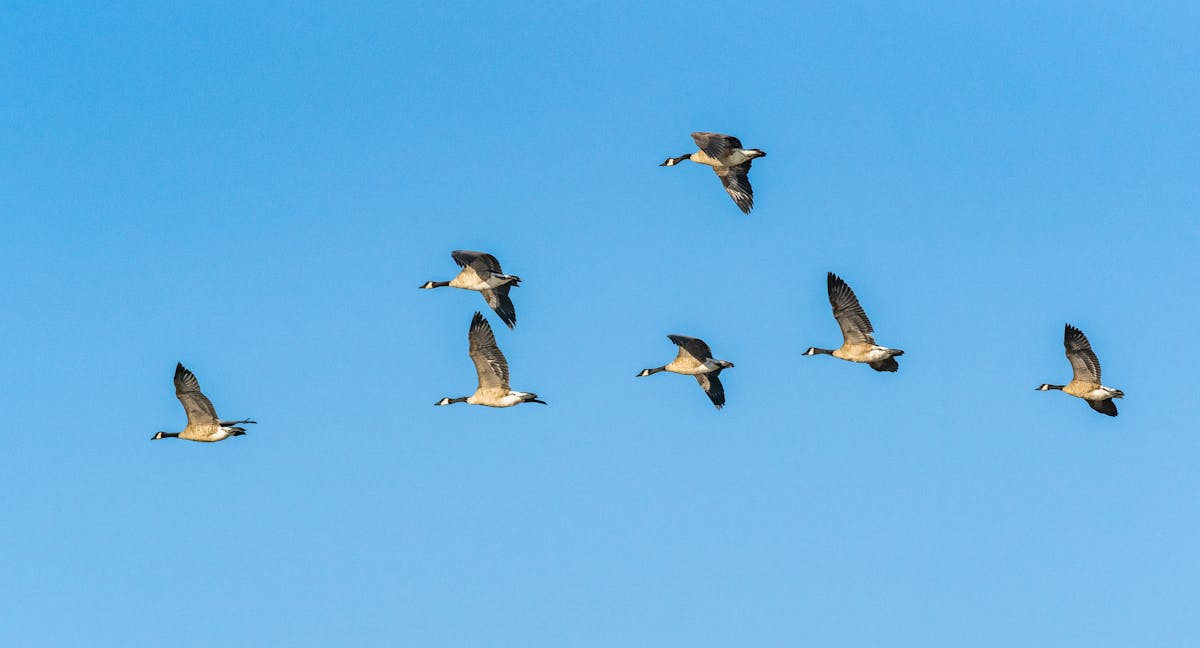
Understanding the routes in tells you exactly what to block. HPAI reaches domestic birds through a short list of pathways:
- Direct contact with wild birds. A wild duck landing in your run, or a sparrow sharing your chickens’ feed, can introduce the virus directly.
- Droppings. Infected wild birds shed virus in their droppings. A flyover that lands on an open run, a roofline, or a feed area is enough.
- Shared or contaminated water. A pond, a puddle, or an open water source that wild birds use is one of the most common infection routes.
- You. Boots, clothing, tires, tools, and feed sacks all carry virus from a contaminated area straight into the coop. This is the route homesteaders most often overlook.

The biosecurity routine that actually works
Biosecurity is not complicated, and it does not require new buildings. It is a set of habits. Here is the routine the USDA’s guidance and state veterinarians recommend, translated into homestead terms:
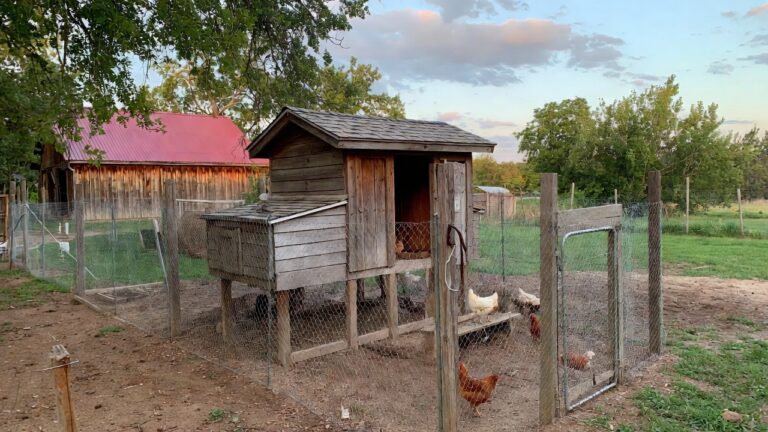
- Cover the run. A solid or netted roof over the run is the highest-value change you can make this spring. It stops wild birds and their droppings from ever reaching your flock. If you free-range, consider keeping birds in a covered run during peak migration.
- Lock down the water. Use enclosed waterers, refresh them daily, and never let your flock drink from ponds or standing water that wild birds visit.
- Keep dedicated coop footwear. One pair of boots that never leaves the coop area. Do not walk through the run in the same boots you wore to the feed store or a neighbor’s farm.
- Store feed where wild birds cannot reach it. Open feed draws wild birds, and wild birds bring the virus. Feed inside the covered run and store sacks in a sealed container.
- Quarantine new and returning birds. Any new bird — or a bird returning from a show or swap — should be kept separate for at least two to four weeks before joining the flock.
- Limit visitors to the coop. Anyone who keeps their own birds, or who has been around other poultry, is a risk. Keep traffic low and provide clean footwear for anyone who must enter.
- Clean and disinfect on a schedule. Feeders, waterers, and tools should be cleaned regularly. Disinfect anything that has left your property before it goes back near the flock.
None of this is expensive. Most of it is a covered run, a second pair of boots, and the discipline to do the same thing every day. That discipline is the whole game.
Need to move faster than a full-season plan? If a nearby outbreak or a wild-bird die-off means you have to lock down now, our 48-hour biosecurity checklist condenses this routine into a two-day action plan.
Warning signs to watch for
Catching an infection early protects your other birds and your neighbors’ flocks. Check your birds daily and watch for:
- Sudden death of multiple birds with no obvious cause.
- A sharp drop in egg production.
- Swelling of the head, eyelids, comb, or wattles.
- Purple discoloration of the comb, wattles, or legs.
- Nasal discharge, coughing, sneezing, or labored breathing.
- Lethargy, lack of appetite, or a stumbling, uncoordinated gait.
Several of these signs together — especially sudden multiple deaths — should be treated as a possible HPAI case until proven otherwise.
What to do if you suspect bird flu
If you think your flock may be infected, act carefully and quickly:
Do not move your birds, and do not sell, give away, or rehome any of them. Moving birds is how a local problem becomes a regional one.
Report it. Contact your state veterinarian or the USDA directly. The USDA Animal and Plant Health Inspection Service maintains a toll-free line for sick-bird reports, and state agriculture departments can test your flock at no cost. Reporting is not just a courtesy — rapid reporting is how outbreaks are contained.
Tighten your own biosecurity immediately to avoid spreading the virus off your property, and keep records of what you have seen and when.
USDA resources every backyard keeper should bookmark
The USDA runs a public-awareness program called Defend the Flock, built specifically for backyard and small-flock owners. It offers free biosecurity checklists, printable guides, and a resource library. The CDC’s bird flu page covers the human-health side, which for backyard keepers remains low-risk but worth understanding.
The migration that carries this virus is the same one waterfowl hunters track every season — our sister site Popular Outdoorsman follows the spring flyway movement closely, and the overlap is not a coincidence. Where the ducks go, the virus goes.
Bird flu is one more reason to harden the whole homestead
A covered, well-managed coop does more than stop a virus. The same structure that keeps wild birds out also keeps hawks, raccoons, and weather off your flock — which is why a spring biosecurity push pairs naturally with a full predator-proofing checklist. And a flock you protect now is a flock that keeps producing into the season your pantry-stocking and preserving work depends on. Resilience on a homestead is never one project. It is the way the projects connect, the same lesson behind drought-proofing the garden before the dry months arrive.
Frequently asked questions
Can my backyard chickens really catch bird flu?
Yes. The 2026 outbreak has been confirmed in backyard flocks in multiple states. Backyard birds are exposed primarily through contact with wild birds and their droppings, which is why a covered run and locked-down water are the highest-priority protections.
What is the most important thing I can do to protect my flock?
Keep your birds physically separated from wild birds. A covered or netted run that blocks wild birds and their droppings is the single most effective step. Pair it with enclosed, daily-refreshed water that wild birds cannot use.
Is it safe to eat eggs from my own chickens during a bird flu outbreak?
Eggs and poultry from healthy birds, cooked properly, are considered safe. The concern with bird flu is the health of the flock itself, not eggs from birds that show no signs of illness. If your birds appear sick, stop using their eggs and report the flock.
Should I bring my free-range chickens into a covered run?
During peak spring migration, many state veterinarians recommend exactly that. Free-ranging puts birds in direct contact with the droppings of migrating wild birds. A covered run during the highest-risk weeks is a reasonable, temporary precaution.
Who do I call if I think my flock has bird flu?
Contact your state veterinarian or the USDA Animal and Plant Health Inspection Service. Do not move or rehome any birds. State agriculture departments can test your flock, often at no cost, and rapid reporting is how outbreaks are contained.
The takeaway for this season
You cannot stop the migration overhead, and you cannot vaccinate your way out of this one. What you can do is build a wall between your flock and the sky — a covered run, clean water, dedicated boots, and the discipline to repeat the routine every single day. The homesteaders who keep their birds through this outbreak will not be the lucky ones. They will be the ones who decided, this spring, to make biosecurity a chore instead of an afterthought.
About the author: James Nicholas writes on livestock, self-reliance, and rural preparedness for the Brand Avalanche Media network, including Current Homesteading. Follow him on X at @therealxdman.
How we sourced this: Outbreak status and the spread of HPAI into backyard flocks reflect reporting and USDA data current to spring 2026. Biosecurity and reporting guidance is drawn from the USDA Animal and Plant Health Inspection Service Defend the Flock program. Human-health context reflects current CDC guidance. This article was last updated May 22, 2026.

Reader Favorites
Homestead reference charts
Three field guides worth bookmarking — canning times, cellar storage, and safe cooking temps.
| Food | Pressure | Pint |
|---|---|---|
| Green beans | 10 lb | 20m |
| Corn | 10 lb | 55m |
| Tomatoes | water bath | 35m |
USDA/NCHFP processing times & pressures for common foods.
View full chart →| Item | Store | Keeps |
|---|---|---|
| Onions | cool, dry | 9 mo |
| Potatoes | cellar | 4–6 mo |
| Apples | cellar | 6 mo |
How long fruit & veg keep in the cellar, fridge and freezer.
View full chart → Network| Doneness | Target |
|---|---|
| Rare | 125–130°F |
| Medium-rare | 130–135°F |
| Well-done | 160°F+ |
Safe pull temps for steak & burgers, from Popular BBQ.
View full chart →