Homestead reference charts
Three field guides worth bookmarking — canning times, cellar storage, and safe cooking temps.
| Food | Pressure | Pint |
|---|
| Green beans | 10 lb | 20m |
| Corn | 10 lb | 55m |
| Tomatoes | water bath | 35m |
USDA/NCHFP processing times & pressures for common foods.
View full chart →
| Item | Store | Keeps |
|---|
| Onions | cool, dry | 9 mo |
| Potatoes | cellar | 4–6 mo |
| Apples | cellar | 6 mo |
How long fruit & veg keep in the cellar, fridge and freezer.
View full chart →
Network
| Doneness | Target |
|---|
| Rare | 125–130°F |
| Medium-rare | 130–135°F |
| Well-done | 160°F+ |
Safe pull temps for steak & burgers, from Popular BBQ.
View full chart →
More from the Brand Avalanche network
-
Your eyes, unfortunately, do not deceive you. According to researchers, COVID-19 has hit even our secluded woodlands. A survey conducted by the U.S. Department of Agriculture (USDA) has detected antibodies for SARS-CoV-2 in deer populations across four states. While this is, of course, eye-catching news, there may not be reason to fret too much. Though…
-
I’ve always wanted to be a shrewd negotiator. To get a great deal on something simply due to my slick talking and hardened determination, or willingness to walk away from a deal, hoping the seller would chase me down and beg me to come back. But I suck at bluffing, and my conscience usually gets…
-
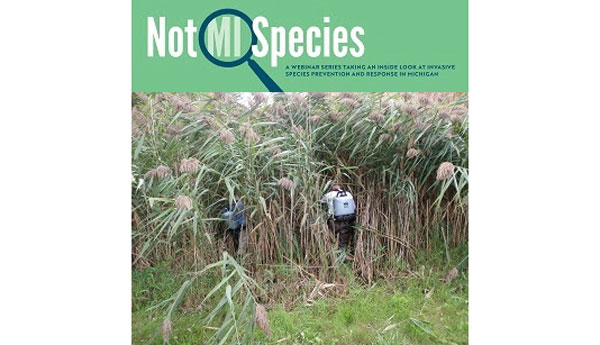
NotMISpecies webinars offer help for backyard invasive species problems, and more! New sessions in the NotMISpecies webinar series will offer an abundance of information, resources and field experiences to help identify and manage invasive species in Michigan. Supported by Michigan’s Invasive Species Program, the regular, hourlong webinars are designed to keep participants informed of available…
-
Have you always wanted to make some butter for the family, but not wanted to make it in the sort of quantities that require a full-on butter churn? Mason-jar butter can be a great option for the aspiring homesteader. Follow along below for how to make it! Ingredients Believe it or not, all you’ll need…
-
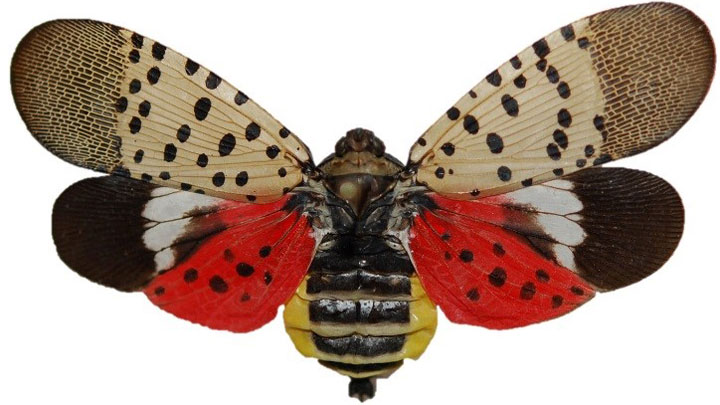
Indiana homesteaders, keep your eyes on your walnut, oak, maple and fruit trees. This week, the spotted lanternfly was found for the first time in Switzerland County. This is significant not just for Indianans, but for Americans in general as Switzerland County represents the furthest west the fly has yet been found. A homeowner in…
-
(For legal purposes, I have to say this is not advice. I do not recommend doing this in any way shape or form, nor do the owners of this blog, business, or any of its subsidiaries. This is a cautionary tale.) I’m either a pyromaniac, lazy, or cheap. Most likely, it’s all three. I don’t…
-
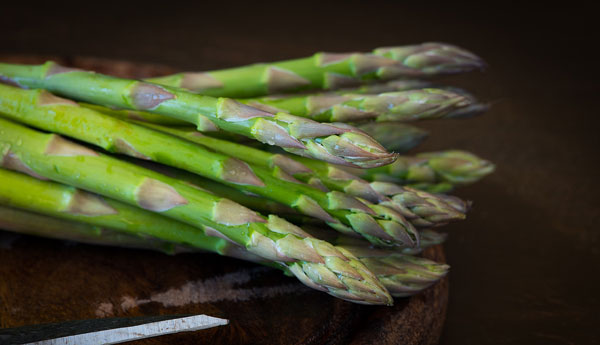
Now midway through July, lets take a look at how that summer heat is affecting the contents of our gardens. Here are a few tips on what to harvest, plant, and more in this most patriotic–but also hottest–of the summer months. Asparagus Asparagus takes a long time to mature–think about three years. Thus its going…
-
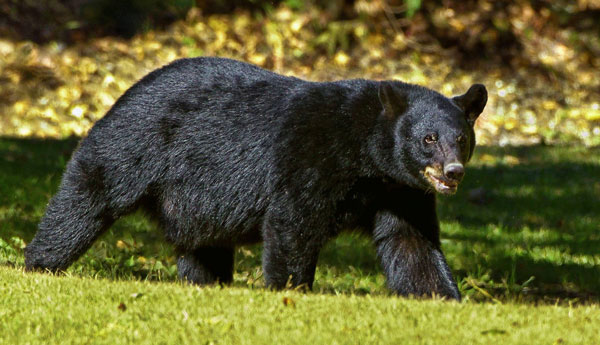
Love composting, but dislike the idea of having big, furry, four-legged bear friends near your home? I don’t blame you. While I love encountering (black) bears out in the woods (its usually a much less scary experience than folks imagine), having them camped out near a homestead is a different story, as they can pose…
-
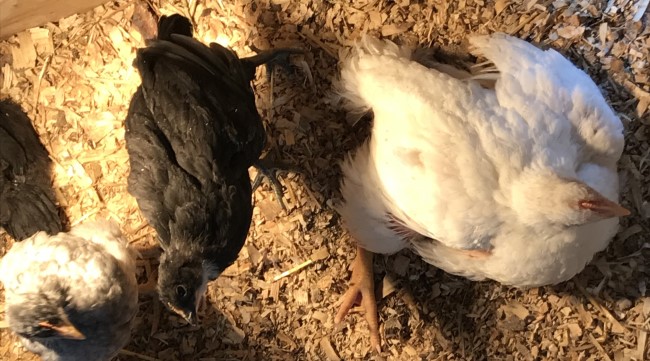
The images from factory farms can be very disturbing. Thousands of layer hens crammed into tiny cages, de-beaked as chicks so they don’t peck each other to death, their feet cramped as they walk on feces-covered wire mesh, and a constant stream of “feed” in front of them, sometimes made from the by-products of their…
-
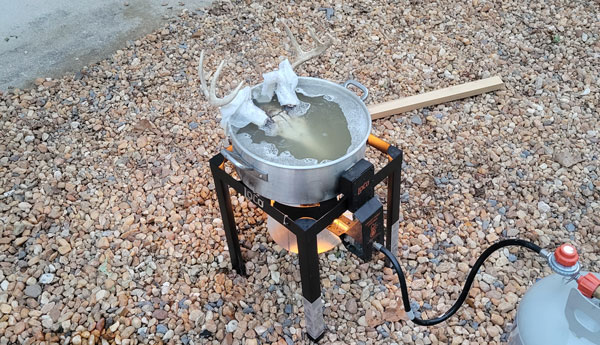
Howdy folks! Its been a little longer than anticipated since my first installment in the Euro-mount series. My apologies on that, been some busy times around the homestead this month. That said, the mercury is flirting with triple digits outside, and I think that is just the excuse I needed to move us along to…
-
Good Tuesday yall. I’m afraid today I must strike a slightly more serious tone than usual. The Southwest Virginia Wildlife Center of Roanoke has reported rising bird mortality rates in multiple states across the nation. Cases have been reported in Washington, DC, Tennessee, Kentucky, Virginia, West Virginia, Maryland, Delaware, Indiana, Ohio, Florida, Pennsylvania and New…
-
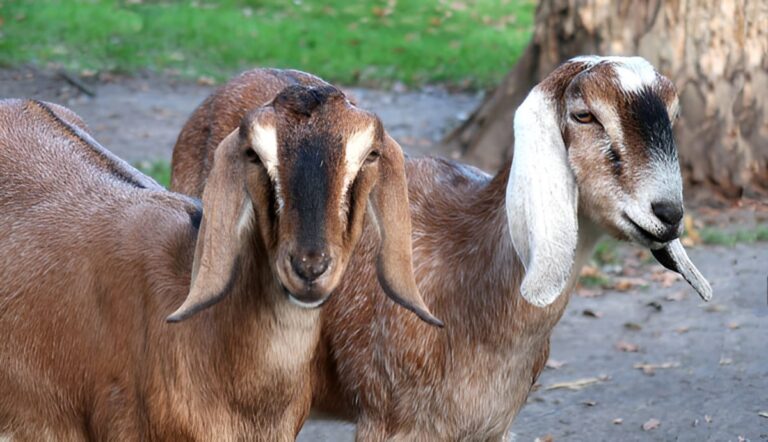
Its been a while since we’ve talked goats on here, so I figured I should break this long-running oversight with a profile of one of my favorite breeds: Nubians! A hardy dairy option, Nubians have more going on than meets the eye. Read on for more. Heritage To start, the name Nubian is actually a…