
Pickling Meat: A Pre-20th-Century Process
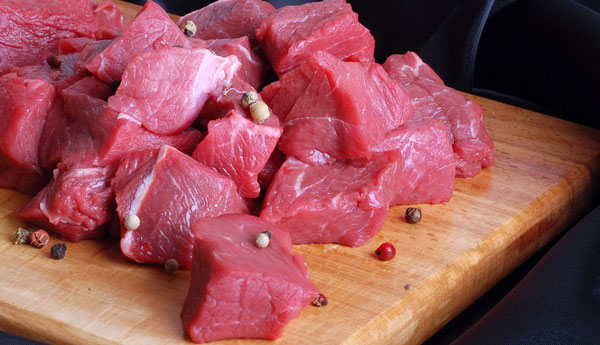
Curing and pickling is just one way to put up your harvest. If you would rather cook it low and slow instead, see our step-by-step guide to smoking a brisket over on Popular BBQ.
Last updated: June 27, 2026 · Originally published November 17, 2020
Putting up more of the animal? Learn to render beef tallow at home.
Reader Favorites
AnimalsDeer Food Plots That Actually WorkAnimalsEuro Mount: Field Prep GuideAnimalsHow to Clean a GizzardAnimalsNubian Goats: Breed ProfileFood PreservationFreeze Dryer vs DehydratorLivestockFDA Raw Milk Rules in 2026GardeningA Reliable Seed-Starting SystemFood PreservationRhubarb-Ginger Freezer JamHomeMaking Fig Wine at HomeMaintenance72-Hour Homestead Emergency Kit
More in Game
Homestead reference charts
Three field guides worth bookmarking — canning times, cellar storage, and safe cooking temps.
Home canning
| Food | Pressure | Pint |
|---|---|---|
| Green beans | 10 lb | 20m |
| Corn | 10 lb | 55m |
| Tomatoes | water bath | 35m |
USDA/NCHFP processing times & pressures for common foods.
View full chart →Produce storage
| Item | Store | Keeps |
|---|---|---|
| Onions | cool, dry | 9 mo |
| Potatoes | cellar | 4–6 mo |
| Apples | cellar | 6 mo |
How long fruit & veg keep in the cellar, fridge and freezer.
View full chart → NetworkMeat doneness
| Doneness | Target |
|---|---|
| Rare | 125–130°F |
| Medium-rare | 130–135°F |
| Well-done | 160°F+ |
Safe pull temps for steak & burgers, from Popular BBQ.
View full chart →


Why are you pickling it if you are going to pressure can it? Pressure canned meat will last for years without pickling. We do this every year with venison, bear.
Exactly what I was wondering.
Hey yall,
Simply a precaution. While pickling is itself a way to preserve meat, even without pressure canning, if you foul up the process even slightly, you can end up with some very tainted meat. Being that the ability to pressure-can is so affordable and accessible nowadays, I always recommend folks take that extra step, just in case. Wouldn’t want to inadvertently cause anyone to get sick.
Hope yall enjoyed!
-Lars