What to Plant in August for a Fall Harvest: A Zone-by-Zone Homestead Guide (2026)
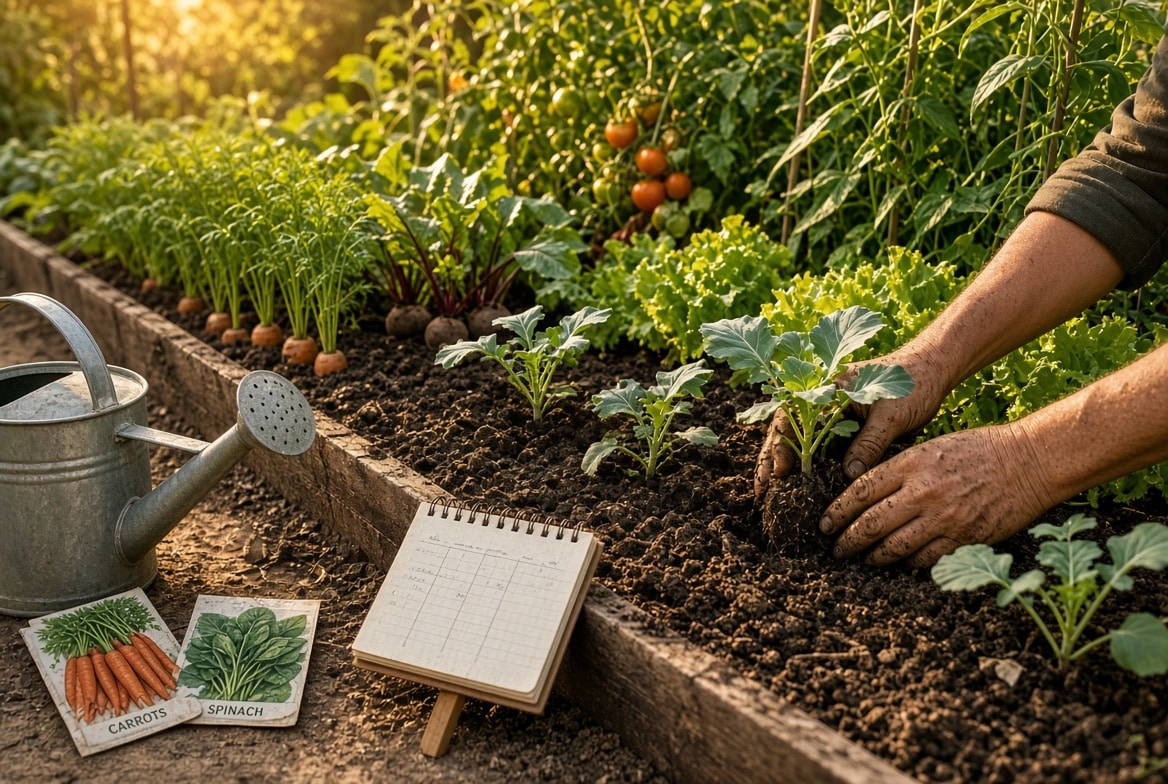
What to plant in August for a fall harvest depends on one number: your first frost date. Sow fast cool-season crops now — leaf lettuce, spinach, radishes, arugula, turnips, and bush beans — plus transplants of broccoli, cabbage, and kale where the season is longer. Count backward from frost, then add two weeks for slower fall growth.
Last updated: August 30, 2026 · Originally published August 27, 2026
If you spent the spring learning how to tune your beds to survive a dry summer, this is the payoff season.
The only date that decides your fall garden
Every fall-planting decision runs through your average first frost date. Look it up once and write it on the wall of the shed. The Old Farmer’s Almanac frost-date tool gives a local estimate from your ZIP code, and your USDA hardiness zone tells you how hard that frost usually bites.
Here is the math. Take a crop’s “days to maturity” from the seed packet. Add 14 days for the fall factor, because plants grow slower as daylight shrinks. Count that total backward from your first frost date. If the answer lands before today, the crop still has time. If it lands after, pick a faster variety or grow it under a cover.
A 50-day lettuce plus 14 fall days needs 64 days. If your frost hits October 20, you can sow that lettuce through about August 17 and still cut heads before the cold. Radishes at 28 days give you weeks of slack. Full-season Brussels sprouts do not, so those go in as transplants or wait until spring.
|
Zone
|
Typical first frost
|
What that means in August
|
|---|---|---|
|
3
|
Early–mid September
|
Early August is the last real window. Fast greens only after that.
|
|
4
|
Mid–late September
|
First 10 days of August still matter. Then switch to 30–45 day crops.
|
|
5
|
Late September–mid October
|
August is the main fall-planting month.
|
|
6
|
Mid–late October
|
Full August window for most cool-season crops.
|
|
7
|
Late October–mid November
|
Plant now and keep planting into September.
|
|
8
|
Mid–late November
|
Cool crops plus a last warm-season round.
|
|
9
|
Late November–mid December
|
August is still warm-season weather; start fall crops as heat eases.
|
|
10
|
Rare or late December
|
Second summer crop now; true cool-season planting often waits.
|


What to plant in August, crop by crop
- Fast greens and small roots you can direct-sow almost everywhere.
- Heading brassicas that want transplants in the North and can still be seeded in the South.
- Storage roots that need time in cooling soil.
- Peas and a last bush-bean crop where frost is far enough out.
- A second warm-season crop only where frost waits until November or later.
Days listed below are typical packet ranges. Choose the shortest reliable variety you can find if you are in Zones 3–5.
Fast greens and roots (direct sow now, most zones)
Brassicas (transplants in the North, seed in the South)
- Fast broccoli: 50–65 days
- Cabbage: 60–85 days
- Cauliflower: 55–80 days
- Kohlrabi: 45–60 days
- Kale and collards: 50–70 days to full plants; baby leaves much sooner
- Brussels sprouts: 90–110 days — too late to start from scratch in most of the North; only Zones 7–10 still have a fair August window, and even there early-month transplants are safer
If you cannot find transplants, start seed in cells in the shade or indoors with a fan. Four-week-old plants still beat a direct-sown row that germinates in 95°F soil and then stalls.

Roots for storage
Peas and bush beans
A second warm-season crop (Zones 8 to 10 only)
Deep South and desert growers get a genuine second summer. Bush tomatoes, summer squash, and cucumbers started in August produce through a long, warm fall. This is the harvest that later becomes the last of the tomatoes on the canning shelf.
- Bush beans
- Summer squash and zucchini (fast varieties, 45–55 days)
- Cucumbers
- A last round of sweet corn only in the warmest sites
- Tomato and pepper transplants for a fall crop in Zones 9–10, and sometimes 8 if you plant early in the month
- Okra in Zone 10 and the hottest Zone 9 sites
Do not let a second squash planting crowd out the fall brassicas and carrots. Warm-season crops end the night of the first real frost. Cool-season crops are what feed the kitchen after that.
August planting windows by zone
Zone changes the calendar more than any other factor. Use this as a starting point, then adjust with your own frost date.
| USDA zone | Typical first frost | Best August sowings | Cover needed? |
|---|---|---|---|
| Zone 3–4 | Mid September | Radish, spinach, arugula, baby greens | Yes, by early October |
| Zone 5–6 | Early–mid October | Lettuce, spinach, turnips, kale transplants | Helpful late season |
| Zone 7 | Late October–November | Broccoli, cabbage, carrots, beets, peas | Optional |
| Zone 8 | November–December | Full brassica range, roots, bush beans | Rarely |
| Zone 9–10 | December or none | Second warm crop plus cool-season greens | No |
Direct seed or transplant in August heat?
- The crop hates transplanting (carrots, most radishes, turnips, beets, peas, beans).
- Days to harvest are short (salad radish, arugula, mustard, baby lettuce).
- You can keep the seed zone wet for 7–21 days.

- The crop is a heading brassica in Zones 3–7.
- Lettuce seed will not germinate in hot ground and you already have starts.
- You are replacing a pulled tomato or bean row and cannot wait two weeks for germination.
Transplants in August need more water than spring transplants and a few days of shade. Plant in the evening. Water in. Do not set a broccoli start into dry, 90°F soil at noon and expect it to take.
Getting seed up when the soil is still hot
- Sow in the evening after the soil has peaked, then water deeply.
- Pre-sprout. Dampen seed in a folded paper towel for 24–48 hours in a cool room. Sow as soon as tails show. Works well for peas, beets, and spinach.
- Cover the row. A board, burlap, light cloth, or even cardboard keeps the surface from baking. Check daily and pull the cover the hour you see sprouts.
- Shade the bed. 30–40% shade cloth, a low tunnel with row cover, or the afternoon shadow of a sunflower or tomato row.
- Bottom-cool the seed zone. A deep pre-watering the night before sowing drops surface temperature more than a light sprinkle after.
- Do not bury lettuce and carrot seed. A thin covering and firm contact beat a crusted half-inch of hot dirt.
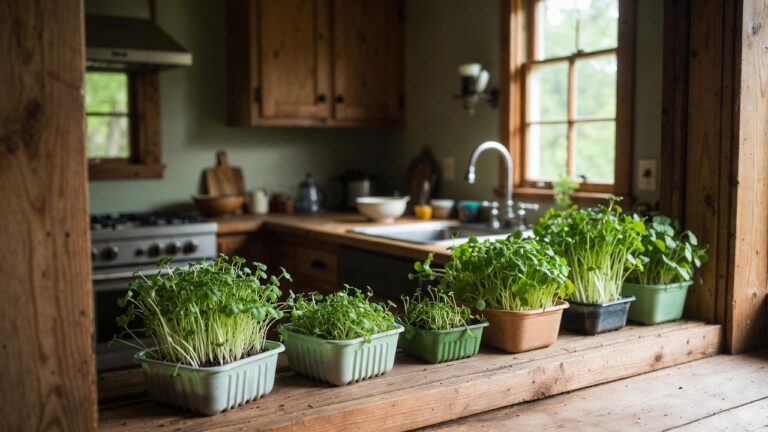
- Start fussy crops in cells in a shady spot or under a porch, then move them out during a cooler spell.
If a sowing fails, resow immediately. In August you do not have a spare three weeks to wait and see.
Protecting the fall garden
Two threats close out the season: pests that pile onto tender fall growth, and the first frost that arrives before the crop is ready. Floating row cover answers both. Draped loose over hoops, it keeps cabbage moths and flea beetles off young brassicas in warm weeks, then buys 4 to 8 degrees of frost protection when nights turn.
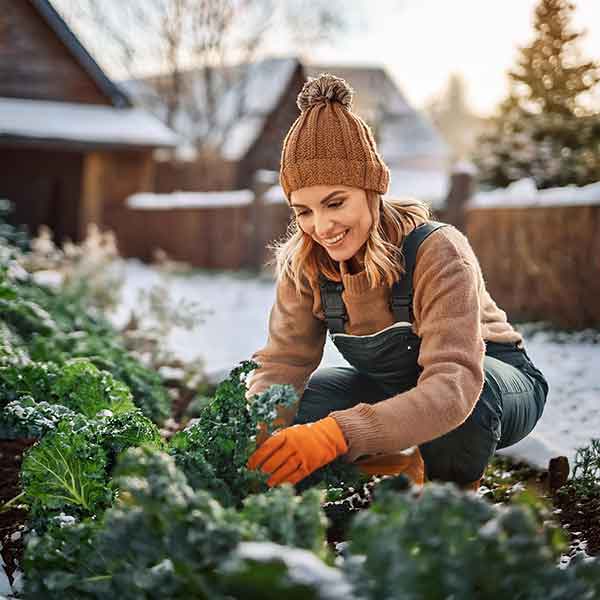
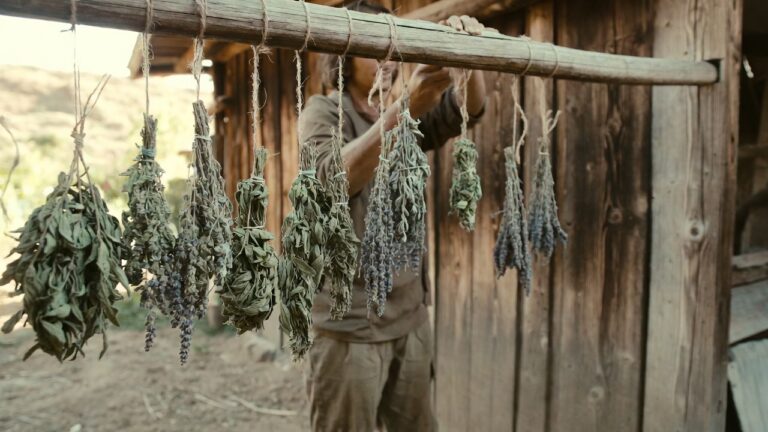
Watch the ten-day forecast from late September on. A single sheet thrown over the beds on a clear, still night is often the difference between losing the greens and cutting them for another month. Surplus that outruns your table can dry down fast if you run the extra greens and herbs through a dehydrator.
A simple August succession plan
You do not have to sow everything at once. The best fall gardens come from short, staggered plantings that spread the harvest and hedge against a bad germination week.
Run it like this. In the first week of August, set out brassica transplants and direct sow carrots, beets, and the first round of greens. In the second week, sow more lettuce, spinach, and radishes, and start a shaded flat of fast greens for later transplanting. By the third week, sow only the quick crops that still beat your frost date, and stage your row cover near the beds so it is ready the first cold night.
Write those dates on the same shed wall as your frost date. A fall garden rewards the grower who plans the calendar backward, then simply follows it.
Frequently asked questions
Is it too late to plant a garden in August?
No. August is the start of the fall planting season, not the end of gardening. Fast cool-season crops like lettuce, spinach, radishes, and turnips mature in 25 to 45 days and beat first frost in nearly every zone. The later it gets, the faster the variety you should choose.
What vegetables can I still plant in late August?
In late August, stick to quick crops: leaf lettuce, spinach, arugula, radishes, salad turnips, and baby kale. Warmer zones can still direct sow carrots, beets, and bush beans. Colder zones should plan on a row cover to finish the season.
How do I know if a crop will beat my first frost?
Add 14 days to the crop’s days-to-maturity, then count that number backward from your average first frost date. If the start date lands on or before today, there is time. If it lands after, choose a faster variety or grow the crop under protection.
Do I need to fertilize a fall garden?
Usually a little. Summer crops pull nutrients out of the bed, so work in finished compost before you replant. Leafy fall greens respond well to a nitrogen-rich top-dress; root crops do better with steady moisture and less nitrogen so they size up instead of running to tops.
Which fall crops taste better after frost?
Kale, collards, spinach, carrots, beets, and Brussels sprouts all sweeten after a light frost. The plant converts starches to sugars as a cold defense. A fall garden often produces the best-eating greens and roots of the whole year.
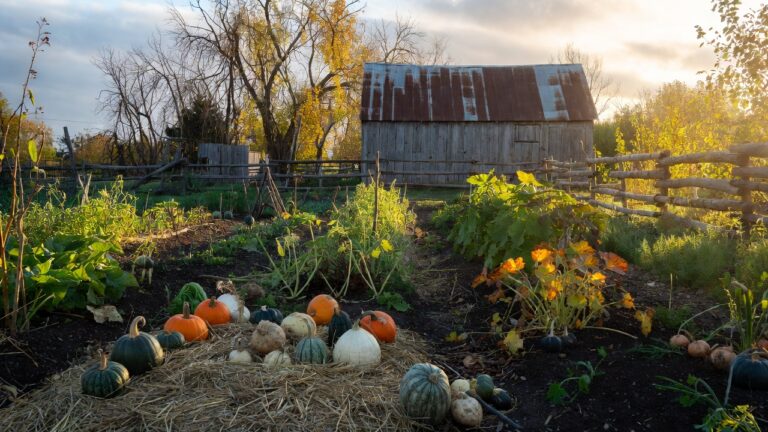
The summer garden asks you to keep up. The fall garden asks you to plan — one date, a little math, and seed in the ground while everyone else is calling it a year. Do that in August, and the beds you thought were finished hand you dinner in November.
Planting for wildlife on the same calendar? A fall food plot runs on the same frost-date math as a fall vegetable bed — see Food Plots for Deer: What to Plant for Fall on Popular Outdoorsman.
By James Nicholas. Published August 27, 2026. Updated August 28, 2026.


Reader Favorites
Homestead reference charts
Three field guides worth bookmarking — canning times, cellar storage, and safe cooking temps.
| Food | Pressure | Pint |
|---|---|---|
| Green beans | 10 lb | 20m |
| Corn | 10 lb | 55m |
| Tomatoes | water bath | 35m |
USDA/NCHFP processing times & pressures for common foods.
View full chart →| Item | Store | Keeps |
|---|---|---|
| Onions | cool, dry | 9 mo |
| Potatoes | cellar | 4–6 mo |
| Apples | cellar | 6 mo |
How long fruit & veg keep in the cellar, fridge and freezer.
View full chart → Network| Doneness | Target |
|---|---|
| Rare | 125–130°F |
| Medium-rare | 130–135°F |
| Well-done | 160°F+ |
Safe pull temps for steak & burgers, from Popular BBQ.
View full chart →