Bird Flu Backyard Chickens: Protect Your Flock This Fall
Protecting backyard chickens from bird flu comes down to biosecurity: keep wild birds off feed and water, and quarantine every new bird.
Bird Flu Backyard Chickens: Protect Your Flock This Fall
Bird flu backyard chickens concerns rise in fall and spring. The USDA’s animal health agency says detections run higher in both seasons because migrating wild birds spread the virus, which makes right now the time to tighten your coop routine before problems start. If you keep chickens on a small homestead, in a backyard coop, or in a mixed poultry setup, a few practical biosecurity steps can go a long way toward protecting feed, water, housing, and new birds.
Direct Answer: Bird flu backyard chickens risk can be reduced by limiting contact with wild birds, covering feed and water, using dedicated coop footwear, quarantining new birds, cleaning tools and crates, and watching closely for sudden illness, breathing trouble, or an unexplained drop in egg production.
There is no need for panic, but there is a clear need for good habits. Fall and spring bring more wild-bird activity, more mud, more standing water, and often more flock expansion. Many chicken keepers also loosen routines just as exposure risk starts to climb. The goal is not to make your coop complicated. The goal is to remove avoidable risks and make safer habits easier to repeat.
The parts that matter for Bird Flu Backyard Chickens
- Bird flu backyard chickens risk goes up when wild birds, muddy boots, dirty tools, and unprotected feed or water overlap.
- Small daily biosecurity habits usually matter more than expensive gear.
- New birds should always be quarantined before joining the flock.
- Feed spills, standing water, and open access to wild birds create easy weak points.
- Fast changes in flock health should be treated seriously and handled quickly.
Why Fall and Spring Raise Bird Flu Backyard Chickens Risk
Migration changes the way a flock interacts with the environment. Wild birds move through more often in fall and spring. In spring, birds also spend more time outside, and homesteaders start cleaning, expanding, and buying chicks or replacement hens. All of that increases traffic and contact points around the coop.
For bird flu backyard chickens planning, that means looking hard at the places where exposure happens. Most flocks do not get into trouble because of one dramatic event. Trouble often starts with a string of ordinary mistakes: open feed, shared water access, dirty boots, unwashed transport crates, or a new bird that goes straight into the flock.
If your setup is otherwise healthy, the start of each migration season is the easiest time to get ahead of those weak spots.
Bird Flu Backyard Chickens Exposure Points
The biggest risk areas are usually the simplest ones to fix. Wild birds are drawn to easy feed, easy water, and easy shelter. If your flock shares any of those indirectly, risk goes up.
- Feed: spilled grain, open feeders, and torn bags attract wild birds and pests.
- Water: puddles, ponds, ditches, and uncovered containers create unnecessary exposure.
- Footwear: mud and manure move easily from one area to another.
- Equipment: crates, egg baskets, feeders, and tools can carry contamination.
- New birds: healthy-looking birds can still introduce disease pressure.
When you think through bird flu backyard chickens prevention, it helps to imagine every item that moves from outside the flock area into the flock area. That is where most practical improvements begin.
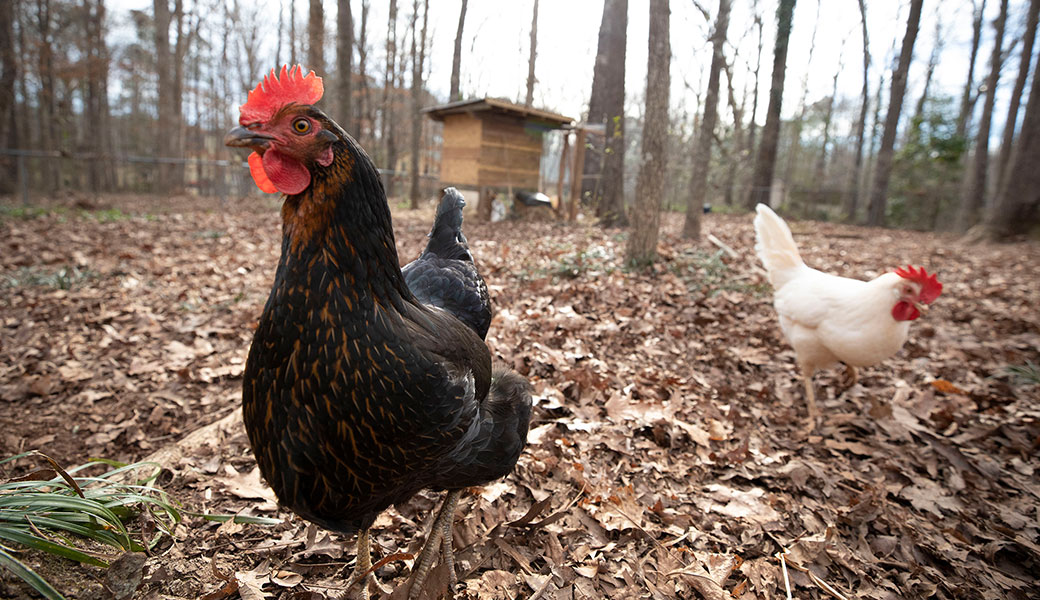
How to Protect Bird Flu Backyard Chickens This Fall
- Reduce wild-bird access. Use covered runs, sheltered feeding areas, and barriers where practical.
- Protect feed. Store bags in sealed containers and clean spills quickly.
- Protect water. Keep waterers clean and avoid letting your flock drink from standing outdoor water.
- Use coop-only footwear. Dedicated boots or shoes help keep contamination out.
- Limit traffic. Be careful with visitors, especially anyone around other poultry.
- Quarantine new birds. Keep them fully separate before introducing them.
- Clean gear. Scrub and disinfect crates, tools, feeders, and waterers.
- Watch the flock daily. Know what is normal so sudden changes stand out fast.
Bird Flu Backyard Chickens Feed and Water Rules
Feed and water deserve the most attention because they are daily flock contact points. If wild birds can perch over them, reach them, or contaminate the area around them, your setup needs adjustment.
Place feeders in protected areas. Use designs that reduce waste. Sweep up spilled grain instead of letting it sit. Keep feed dry and stored in sealed containers so it does not attract birds, rodents, and moisture.
Water needs the same level of care. Clean containers regularly instead of topping them off endlessly. Refresh water often. Do not let your chickens drink from puddles, decorative ponds, or low wet spots that wild birds can use. Bird flu backyard chickens prevention often comes down to clean water discipline more than people expect.
Bird Flu Backyard Chickens and Chicken Coop Biosecurity
Many flock owners focus only on the birds, but people move plenty of risk. Boots, gloves, tools, buckets, wheelbarrows, and transport crates all matter. That is why chicken coop biosecurity should start at the entry point.
A simple routine works well:
- keep one pair of coop-only boots or shoes,
- store a scrub brush near the entrance,
- separate poultry tools from general yard tools,
- avoid visiting your coop right after handling other birds elsewhere,
- clean carriers and crates before reusing them.
If you want a broader sanitation mindset around the homestead, this related CurrentHomesteading piece is useful: From Stink to Soil: Turning a Rotten Situation Into Compost Gold.
Bird Flu Backyard Chickens and New Bird Quarantine
One of the most important bird flu backyard chickens rules is simple: never skip quarantine because a bird looks healthy. Spring is a common season for buying chicks, started pullets, and replacement hens. It is also when people are most tempted to rush introductions.
A real quarantine setup should be separate, not just nearby. Use separate feed, separate water, separate tools, and a care routine where you handle your established flock first and quarantined birds last. That approach helps keep one mistake from becoming a flock-wide problem.
Bird Flu Backyard Chickens Warning Signs
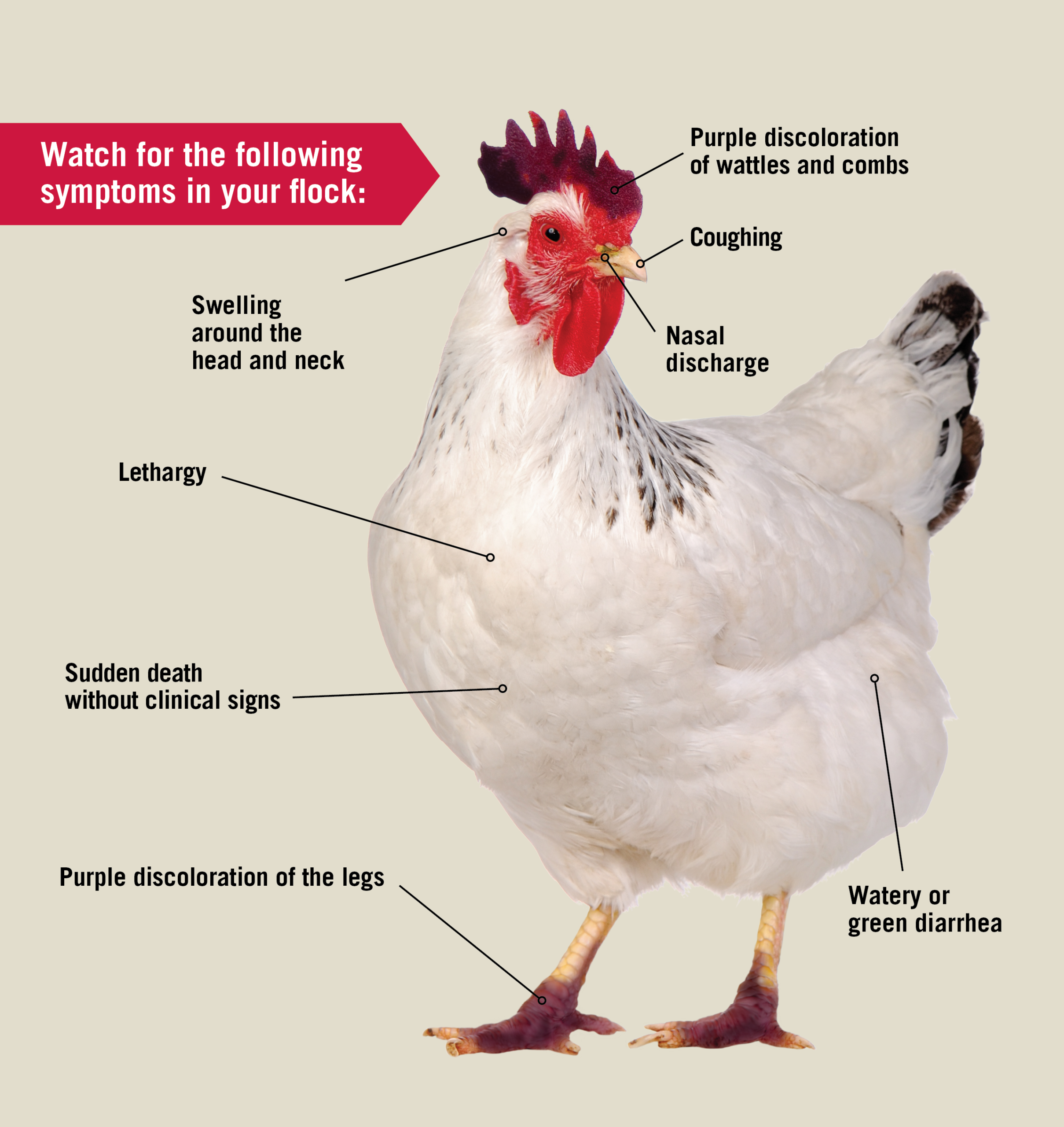
Bird flu backyard chickens concerns are serious because fast changes can matter. Watch for sudden unexplained deaths, breathing problems, swelling around the head, unusual lethargy, diarrhea, or a noticeable drop in egg production. Any sharp shift in normal flock behavior deserves attention.
If you suspect a major disease issue, do not move birds off-property. Do not pass birds to another keeper. Do not invite extra people into the coop area to take a look. Instead, isolate concerns, reduce traffic, and get guidance through the appropriate reporting or veterinary channel for your area.
For national guidance on poultry biosecurity, see USDA APHIS and Defend the Flock materials: https://www.aphis.usda.gov/livestock-poultry-disease/avian/avian-influenza. For food-safety basics around home eggs, use the FDA egg safety page here: https://www.fda.gov/food/buy-store-serve-safe-food/what-you-need-know-about-egg-safety.
Bird Flu Backyard Chickens Egg Handling and Daily Sanitation
Good flock care and food safety overlap. Collect eggs regularly. Discard heavily cracked eggs. Keep nesting areas drier and cleaner. Refrigerate eggs according to your normal safe-storage routine. These steps do not replace disease prevention, but they do support a cleaner, more manageable system.
If you want another poultry-related internal resource, browse the CurrentHomesteading poultry section here: CurrentHomesteading Poultry Articles.
Bird Flu Backyard Chickens: What Can Go Wrong If You Overcorrect
Biosecurity is not the same thing as crowding birds into a damp box and hoping for the best. Chickens still need ventilation, dry bedding, fresh water, clean nesting areas, and enough space to behave normally. Bird flu backyard chickens planning should improve husbandry, not replace it.
If you restrict ranging temporarily, make sure the new space stays dry, reasonably clean, and not overly crowded. A bad temporary setup can create stress and sanitation problems of its own.
Bird Flu Backyard Chickens Practical Checklist for Today
- Move feed and water under better cover.
- Clean spilled grain and muddy buildup near the coop.
- Set aside dedicated coop footwear.
- Block access to standing water your flock can reach.
- Create a quarantine space before buying new birds.
- Clean tools, carriers, and baskets that move between spaces.
- Write down the signs that would tell you something is wrong.
If you are working on broader preparedness at home, this related guide fits well with building more resilient homestead systems: 72-Hour Emergency Kit for Homesteads.
Bird Flu Backyard Chickens FAQ
Bird Flu Backyard Chickens: Should I stop free-ranging during migration season?
Temporary restriction can be a smart move when wild-bird activity is high or when local concern rises. A covered run or more controlled yard can lower exposure without ending outdoor access completely.
Bird Flu Backyard Chickens: Can risk exist even if my birds never leave home?
Yes. Wild birds, dirty boots, contaminated water, shared equipment, and new birds can all create indirect exposure even when your flock stays on your property.
Bird Flu Backyard Chickens: What is the easiest first step?
Start with feed, water, and footwear. Those are simple, affordable changes that make a big difference fast.
Bird Flu Backyard Chickens: Do I need expensive disinfecting systems?
No. Consistent routines are usually more important than expensive gear. Covered feed, clean water, dedicated boots, quarantine, and cleaned tools carry most of the value for a small flock.
Bird Flu Backyard Chickens: What should I do before bringing home new chicks or hens?
Have a quarantine plan ready first. Separate space, separate tools, and a separate routine matter more than good intentions after the birds arrive.
What to Do Today for Bird Flu Backyard Chickens Prevention
- Choose one pair of coop-only boots or shoes.
- Cover or relocate feed and water.
- Pick a quarantine spot before adding birds.
- Clean one overlooked tool or carrier today.
- Walk your coop area and remove one obvious exposure point.
Bird flu backyard chickens prevention does not have to be complicated. It just has to be consistent. A safer setup by tonight is better than waiting for a perfect one later.
“` [oai_citation:0‡U.S. Food and Drug Administration](https://www.fda.gov/food/buy-store-serve-safe-food/what-you-need-know-about-egg-safety?utm_source=chatgpt.com)
Reader Favorites
Homestead reference charts
Three field guides worth bookmarking — canning times, cellar storage, and safe cooking temps.
| Food | Pressure | Pint |
|---|---|---|
| Green beans | 10 lb | 20m |
| Corn | 10 lb | 55m |
| Tomatoes | water bath | 35m |
USDA/NCHFP processing times & pressures for common foods.
View full chart →| Item | Store | Keeps |
|---|---|---|
| Onions | cool, dry | 9 mo |
| Potatoes | cellar | 4–6 mo |
| Apples | cellar | 6 mo |
How long fruit & veg keep in the cellar, fridge and freezer.
View full chart → Network| Doneness | Target |
|---|---|
| Rare | 125–130°F |
| Medium-rare | 130–135°F |
| Well-done | 160°F+ |
Safe pull temps for steak & burgers, from Popular BBQ.
View full chart →