How to Prevent Botulism When Canning at Home (2026)
Home-canned vegetables cause more botulism outbreaks in the United States than any other home-prepared food. From 1996 to 2014 they were behind 43 outbreaks — about 30 percent of every outbreak traced to food put up at home, according to the CDC.
Last updated: October 9, 2026 · Originally published September 25, 2026
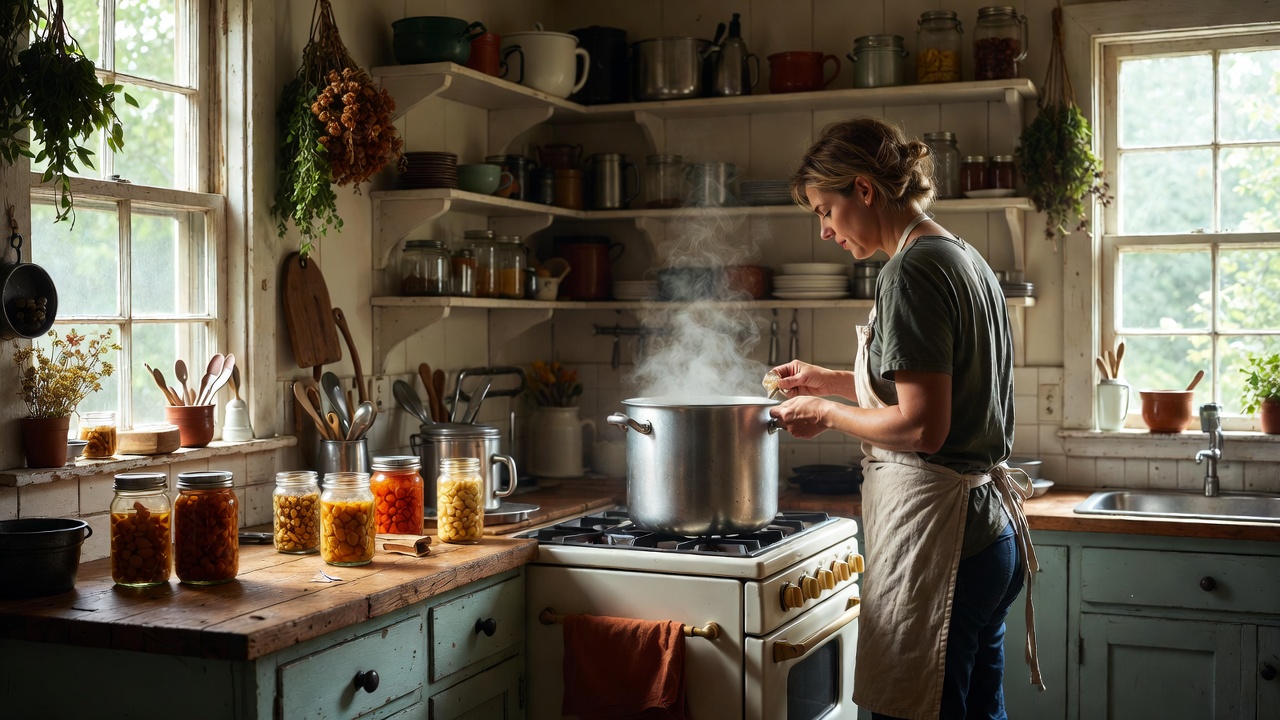
The good news: this is not bad luck, and I want you to see exactly why. To prevent botulism when canning at home, you process low-acid foods in a pressure canner that reaches 240°F, follow a tested recipe, and discard any jar that looks or sounds wrong. That one equipment rule stops the large majority of home-canning poisonings before they start. Gardens come in through late summer and early fall across the country, so here is exactly how to put up the harvest without putting a nerve toxin in your pantry.
What botulism is — and why a sealed jar invites it
Let’s start with the organism. Botulism is a rare but serious illness caused by a nerve toxin that the bacterium Clostridium botulinum produces inside sealed, oxygen-free, low-acid spaces. A jar of green beans is exactly that kind of space. The spores live in ordinary garden soil, survive a boiling-water bath, and wake up in the airless jar if the food was not processed hot enough.
The toxin gives no warning. It cannot be seen, smelled, or tasted, which is why a jar can look perfect and still be dangerous. Botulism is uncommon — the CDC logged 20 known cases from home-canned food between 2017 and 2021, and roughly 190 cases over the 32 years from 1990 through 2021, fewer than six a year. It is rare because home canners follow the rules. When the illness does strike, it can cause paralysis, respiratory failure, and death.
The risk is real, not theoretical. In June 2024 the CDC documented an outbreak in Fresno County, California, traced to home-canned cactus, or nopales — a reminder that traditional recipes are not automatically safe ones.


The one rule that prevents most home-canning botulism
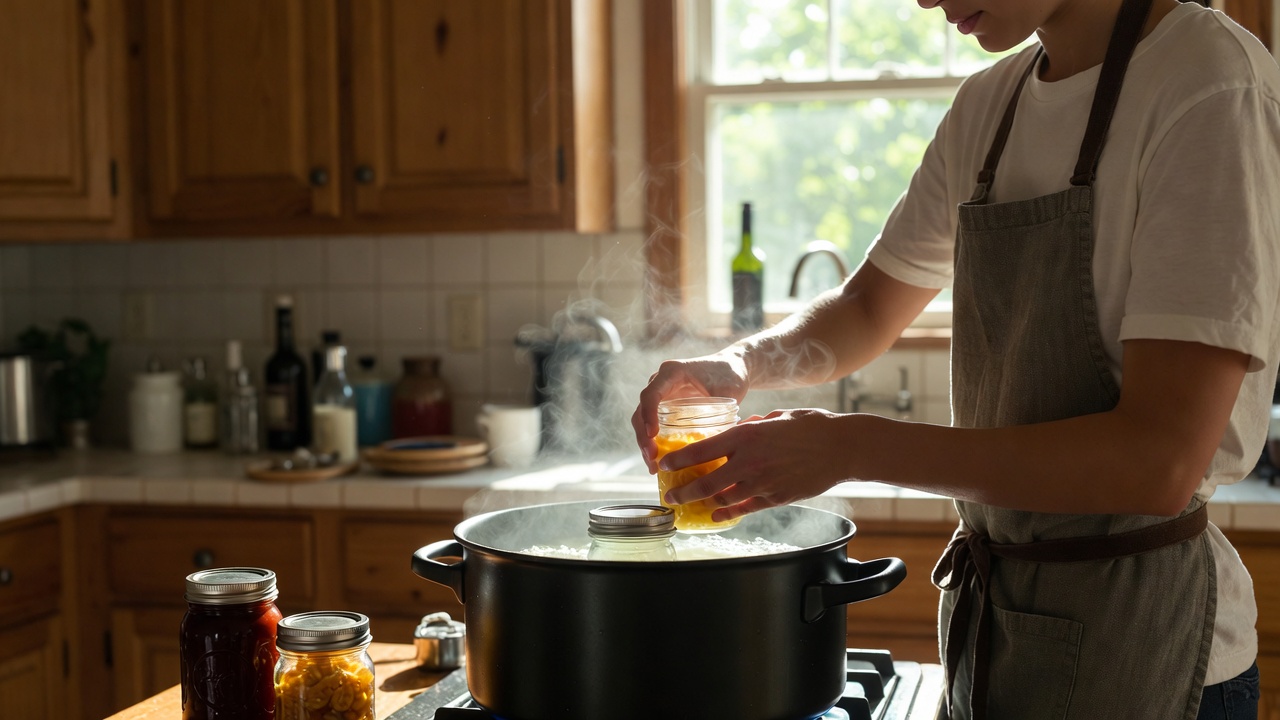
Now, here is the rule that matters more than any other: low-acid foods must be processed in a pressure canner. The reason is temperature. C. botulinum spores shrug off the 212°F of boiling water. They are destroyed only at 240°F, and the single home tool that reaches 240°F is a pressure canner. The USDA names pressure canning as the only recommended method for low-acid foods, full stop.
A boiling-water bath has its place — it is correct for high-acid foods like most fruits, jams, jellies, and properly soured pickles. Acid does the work that heat does in a pressure canner: below pH 4.6, the food is sour enough that botulinum cannot grow. Above that line, only pressure will keep you safe. A reliable, USDA-recommended canner such as the All American 921 or the Presto 23-quart runs roughly $150 to $500 and lasts for decades. My full canning and preserving guide walks through choosing and seasoning one.
High-acid vs. low-acid foods: which need a pressure canner
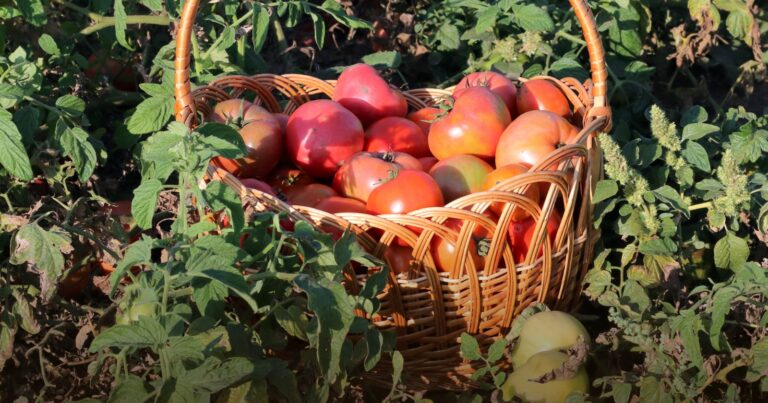
The dividing line is pH 4.6. Foods at or below it are high-acid and can go in a water bath. Foods above it are low-acid and require a pressure canner. Many backyard garden vegetables fall on the low-acid side.
| Food group | Acidity | Safe method |
|---|---|---|
| Green beans, corn, beets, potatoes, asparagus, carrots | Low-acid (pH > 4.6) | Pressure canner only |
| Meats, poultry, seafood | Low-acid | Pressure canner only |
| Most fruits, jams, jellies | High-acid (pH ≤ 4.6) | Water-bath canner |
| Properly soured pickles, relishes | High-acid (with added vinegar) | Water-bath canner |
| Tomatoes | Borderline | Follow a tested recipe; often needs added acid |
Tomatoes deserve a flag. They sit right on the acidity line, and modern low-acid varieties can drift over it, so tested recipes call for added lemon juice or citric acid before water-bath canning. If you would rather skip the math, a pressure canner handles tomatoes without the added acid.
The seven steps, in order
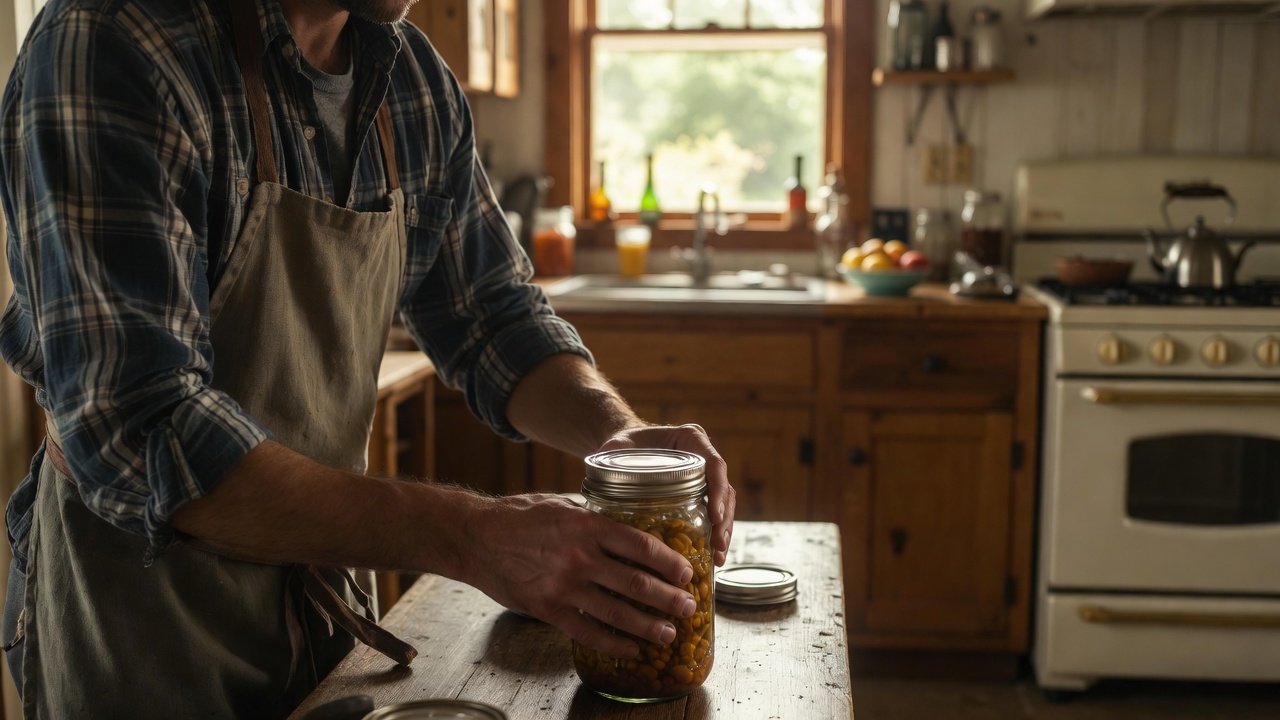
Basically, follow these seven steps in order and you cover every common failure point.
- Match the method to the acidity. Low-acid food goes in the pressure canner; high-acid food can take the water bath. When unsure, treat it as low-acid.
- Start from a current, tested recipe. Use a source that lists exact times and pressures. Do not adapt a water-bath recipe to a pressure canner, or the reverse, by guesswork.
- Inspect every jar and lid. Discard jars with cracks or chips, and start with new flat lids. A nick on a rim can keep a jar from sealing.
- Confirm your canner works. Check the gasket, vent, and gauge. Dial-gauge canners should be tested for accuracy each season; most county extension offices do it free.
- Hit the full processing time and pressure. Times come from extensive lab research and are never padded. Shortening them is the most common way a jar goes wrong.
- Adjust for altitude. Higher elevations need more pressure or time. Use the altitude column in your recipe — sea-level numbers do not protect a mountain kitchen.
- Store cool, dark, and dated. Keep sealed jars in a cool, dry spot and label each with the date it was canned. A root cellar or an interior closet both work.
When to throw a jar out
Inspect before you open, and inspect again as you open. Discard a home-canned jar — without tasting it — if any of these are true:
- The lid is bulging, swollen, or leaking.
- The seal has broken or the lid flexes when pressed.
- The jar is cracked or chipped.
- Liquid spurts out when the seal is broken.
- The food is moldy, discolored, or smells off.
Remember, because the toxin is invisible and tasteless, the old kitchen line holds: when in doubt, throw it out. Seal a suspect jar in a bag before it goes in the trash so pets and wildlife cannot reach it.
Botulism symptoms, and what to do
Symptoms of foodborne botulism usually appear 18 to 36 hours after eating contaminated food, though the window can run from a few hours to several days. Watch for:
- Double or blurred vision
- Drooping eyelids
- Slurred speech
- Difficulty swallowing and dry mouth
- Muscle weakness
- Difficulty breathing
Anyone showing these signs after eating home-preserved food needs emergency medical care right away. Botulism is treated with an antitoxin that works best early, so do not wait to see whether it passes — call for help and mention the home-canned food.
Trust the lab, not the algorithm
The fastest way to a dangerous jar is an untested recipe pulled from a video or a great-grandmother’s index card. Processing times exist because researchers measured them; a recipe without them is a guess. Lean on science-based sources: the USDA Complete Guide to Home Canning, the National Center for Home Food Preservation, and your state cooperative extension, which often runs free classes and gauge checks. The CDC keeps current guidance on the illness itself.
If a harvest is too small to fire up the canner, it does not have to go to waste — dehydrating and freeze-drying sidestep the botulism question entirely, and pickling uses acid to do the same job heat does. For canned meats specifically, the same 240°F rule applies, and the same logic carries over to the safe internal temperatures for meat my sister site at Popular BBQ tracks.
Frequently asked questions
Can you get botulism from water-bath canning?
Yes, if you water-bath a low-acid food that needed a pressure canner. The boiling-water bath tops out at 212°F and cannot destroy botulinum spores. It is safe only for high-acid foods at pH 4.6 or below, where acidity prevents the bacteria from growing.
Does adding vinegar or lemon juice make low-acid food safe for a water bath?
Only when you follow a tested recipe that specifies the exact amount. Recipes for salsa, pickles, and some tomatoes add measured acid to drop the food below pH 4.6. Eyeballing a splash of vinegar does not reliably get there, so do not improvise the acid level.
Can you boil home-canned food to make it safe before eating?
Boiling low-acid home-canned food for 10 minutes can destroy the toxin itself as an added precaution, and many authorities recommend it. But boiling is not a substitute for correct processing — it does not undo unsafe canning, and it will not help if a jar already shows spoilage signs. Discard suspect jars rather than trying to cook them safe.
Is a pressure cooker the same as a pressure canner?
No. A pressure canner is larger, holds full jars, and is designed and tested to hold the time and temperature canning requires. Multicookers and electric pressure cookers are not recommended for canning low-acid foods unless the manufacturer and a tested recipe specifically validate it.
How long do home-canned foods last?
Properly processed and stored jars keep their best quality for about one year and remain safe well beyond that if the seal holds and the jar shows no spoilage. Store them cool and dark, and date every lid so you rotate the oldest first.
Final Thoughts
Put up the harvest. The toxin you cannot see, smell, or taste is also the one a pressure canner and a tested recipe will keep out of your jars (that is the whole trick), so fill the pantry, and fill it right.
Updated September 8, 2026. This guide reflects current home-canning safety guidance from the CDC, the USDA Complete Guide to Home Canning, and the National Center for Home Food Preservation as of that date. It is general food-safety information, not a substitute for a tested recipe or medical advice.
By James Nicholas. James writes across the Brand Avalanche Media network on self-reliance, gear, and the skills that keep a household running. He keeps a working pantry and tests preservation methods against the published research, not kitchen lore.


Reader Favorites
- Dehydrators and Freeze Dryers: A Comparison for Food Preservation
- Seal the Deal: The Home Canning Chronicles – Preserving Flavor, One Jar at a Time
- Thriving in the Chill: A Guide to Winter Gardening
- Render Beef Tallow at Home: Master Homesteading Fat Now
- Hantavirus Prevention Tips for Homesteaders
- Top Homesteading Trends in 2026
Homestead reference charts
Three field guides worth bookmarking — canning times, cellar storage, and safe cooking temps.
| Food | Pressure | Pint |
|---|---|---|
| Green beans | 10 lb | 20m |
| Corn | 10 lb | 55m |
| Tomatoes | water bath | 35m |
USDA/NCHFP processing times & pressures for common foods.
View full chart →| Item | Store | Keeps |
|---|---|---|
| Onions | cool, dry | 9 mo |
| Potatoes | cellar | 4–6 mo |
| Apples | cellar | 6 mo |
How long fruit & veg keep in the cellar, fridge and freezer.
View full chart → Network| Doneness | Target |
|---|---|
| Rare | 125–130°F |
| Medium-rare | 130–135°F |
| Well-done | 160°F+ |
Safe pull temps for steak & burgers, from Popular BBQ.
View full chart →