
6 Insect-Repelling Plants
Last updated: April 22, 2026 · Originally published June 29, 2023
Looking to cut down on the amount of bugs in your garden, the natural way? Consider ringing it with a few of the insect-repelling plants below, and watch the bugs fly away.
Lemongrass
First up is lemongrass, as its an obvious choice for this list. Lemongrass naturally secretes citronella oil, the primary ingredient found in many anti-insect candles and scents. Lemongrass is fully effective in repelling malaria-carrying mosquitos,


Basil
Not simply a delicious herb to top your steaks or salads, basil can also help drive bugs away. It is particularly effective against flea beetles, which can wreak havoc on all sorts of veggies, including cabbage, tomatoes, eggplants and the like. While not an insect, basil can also keep away cabbage webworms, who primarily prey on their namesake.
Alliums
Allium plants make for excellent insecticides. Aphids and carrot flies hate them, as do the aforementioned webworms, and even slugs. While most people’s idea of an allium is the massive allium giganteum, the family also includes chives, leeks and shallots. Tomatoes, peppers, broccoli and potatoes all benefit especially from having allium nearby.
Chrysanthemums
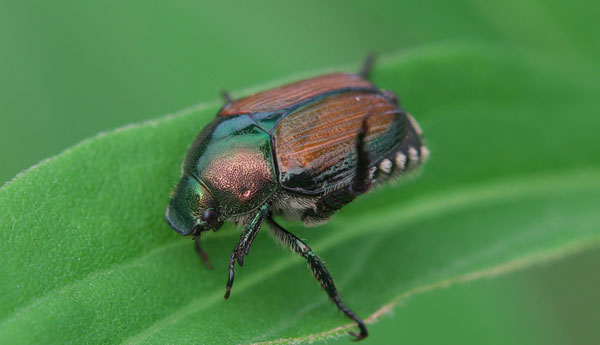
Have a Japanese beetle problem? Plant chrysanthemums. They contain pyrethrum, forms of which can often be found in common insecticides, and is extremely effective against flying and jumping bugs. In addition to Japanese beetles, chrysanthemums are effective against ants, ticks, silverfish, lice and fleas.
Marigolds
This is one of the best-known mosquito repelling plants by far. What many may not know, however, is that in addition to repelling those annoying creatures, it also attracts insects that kill aphids. Ladybugs especially love them!
Petunias
While often planted for their beauty, petunias can also pull their weight in keeping bugs of your brassicas. The flowers repel leafhoppers, squash bugs, tomato hornworms, and aphids. In addition to brassicas, they do extremely well near beans, tomatoes, corn and peppers.


Reader Favorites
Homestead reference charts
Three field guides worth bookmarking — canning times, cellar storage, and safe cooking temps.
| Food | Pressure | Pint |
|---|---|---|
| Green beans | 10 lb | 20m |
| Corn | 10 lb | 55m |
| Tomatoes | water bath | 35m |
USDA/NCHFP processing times & pressures for common foods.
View full chart →| Item | Store | Keeps |
|---|---|---|
| Onions | cool, dry | 9 mo |
| Potatoes | cellar | 4–6 mo |
| Apples | cellar | 6 mo |
How long fruit & veg keep in the cellar, fridge and freezer.
View full chart → Network| Doneness | Target |
|---|---|
| Rare | 125–130°F |
| Medium-rare | 130–135°F |
| Well-done | 160°F+ |
Safe pull temps for steak & burgers, from Popular BBQ.
View full chart →


Thanks for the article on using plants to combat bugs. Going to plant some this weekend! Happy 4th of July!