Canning Tomato Sauce: Start to Finish (2026 Guide)
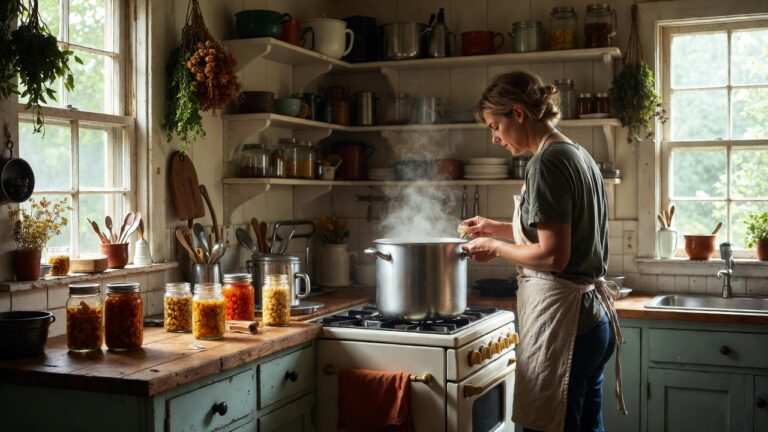
Knowing how to can tomato sauce turns one heavy harvest day into a winter of pasta nights, soups, and braises. You cook the tomatoes down, run them smooth, acidify, and process the jars so they keep on the shelf. It is a bigger project than freezing, but few pantry staples pay you back like a shelf of your own sauce.
Last updated: October 9, 2026 · Originally published August 7, 2026
Quick answer: To can tomato sauce, simmer peeled tomatoes until reduced by about half, add bottled lemon juice or citric acid to each jar, fill to 1/4 inch headspace, and process in a boiling water bath — 35 minutes for pints and 40 for quarts at sea level. Adjust for your altitude and follow a current tested recipe.
Keep it a plain tomato sauce for water-bath safety:
This method is for a simple tomato sauce, and it follows the same water-bath basics as canning whole tomatoes. Adding low-acid ingredients like onions, peppers, mushrooms, or ground meat changes the safety math and requires a tested pressure-canning recipe instead. Always acidify: 2 tablespoons bottled lemon juice or 1/2 teaspoon citric acid per quart, half that per pint. Guidance follows the National Center for Home Food Preservation.
On this page
What You Need
- Roughly 5 pounds of tomatoes per quart of finished sauce — sauce reduces a lot
- Water-bath canner or deep stockpot with a rack
- Jars, new lids, and bands
- Food mill, blender, or sieve for a smooth sauce
- Bottled lemon juice or citric acid
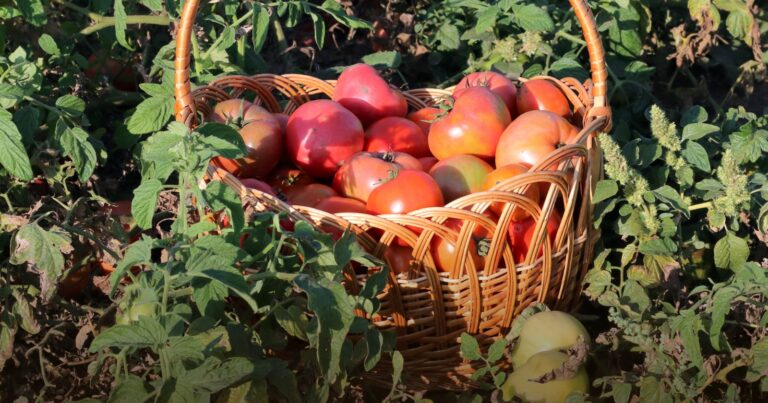
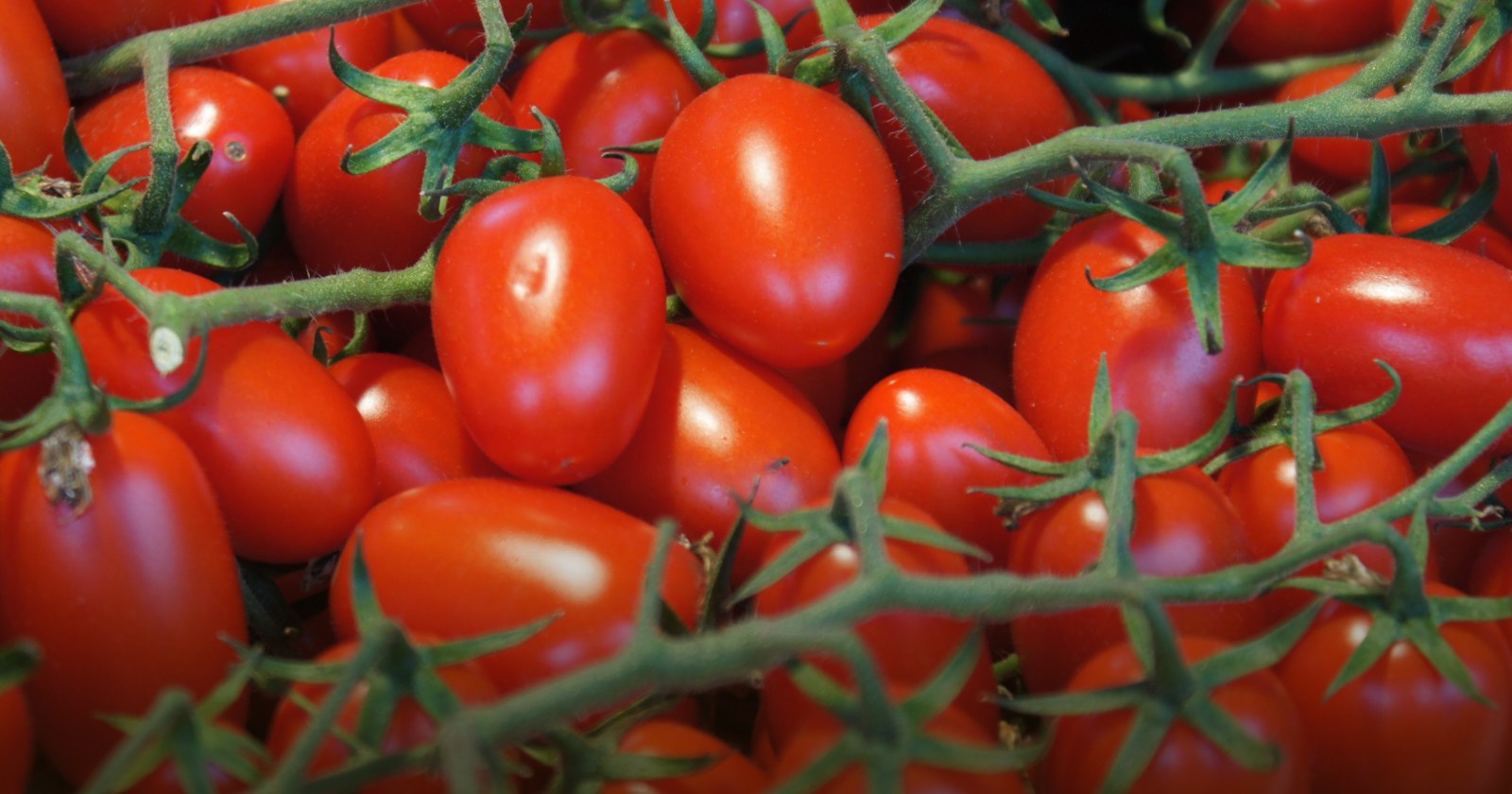
Paste-type tomatoes like Roma give a thicker sauce with less simmering, but any ripe tomato works. If you would rather not cook today, freeze your tomatoes now and simmer them into sauce later.
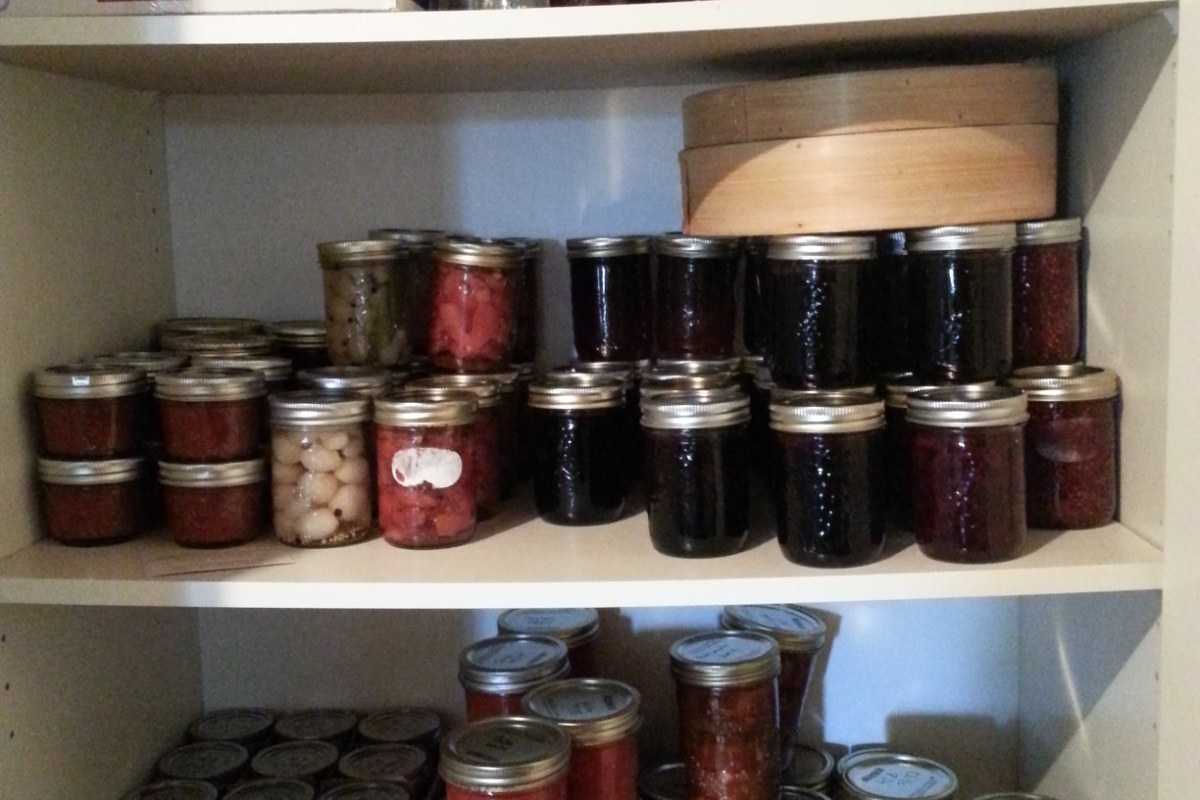


How to Can Tomato Sauce, Step by Step
- Prep and peel. Wash the tomatoes, dip them in boiling then ice water, and slip off the skins. Core and quarter them.
- Cook down. Simmer the tomatoes in a large pot, stirring often, until the volume reduces by about half and the sauce coats a spoon. This can take an hour or more.
- Mill it smooth. Run the sauce through a food mill or blender to remove seeds and skins, then return it to a simmer.
- Acidify the jars. Add bottled lemon juice or citric acid to each hot jar before filling.
- Fill and seal. Ladle in the hot sauce to 1/4 inch headspace, remove bubbles, wipe rims, and set lids to fingertip tight.
- Process. Boil pints 35 minutes or quarts 40 minutes at sea level, adjusting for altitude.
- Cool and check. Rest jars 12 to 24 hours, then confirm each lid has sealed.
Tomato Sauce Processing Times by Altitude
How many tomatoes? Sauce cooks down by roughly half, so a thin sauce needs about 35 pounds of tomatoes per 7-quart canner load (a 53-pound bushel yields 10 to 12 quarts). Paste-type tomatoes like Roma give more sauce per pound.
| Jar | 0–1,000 ft | 1,001–3,000 ft | 3,001–6,000 ft | Above 6,000 ft |
|---|---|---|---|---|
| Pints | 35 min | 40 min | 45 min | 50 min |
| Quarts | 40 min | 45 min | 50 min | 55 min |
Boiling-water-canner times for standard tomato sauce, from the USDA Complete Guide to Home Canning; match the column to your elevation. In a pressure canner, process pints or quarts 15 minutes at 10–11 PSI, adjusted for altitude. Keep it a plain, acidified sauce — adding low-acid vegetables or meat requires a different tested recipe.
Turn a Jar Into Dinner
Canned tomato sauce is a blank canvas. Simmer it with garlic and basil for pasta, thin it for soup, or cook it low with spices for a homemade barbecue base. If you smoke your own meats, that last one is worth a try — our sister site has a guide to building homemade barbecue sauce over at Popular BBQ that starts from exactly this kind of tomato base.
Watch: Canning Tomatoes Step by Step
This beginner-friendly canning walkthrough shows the water-bath process you will use to put up sauce, from packing jars to checking seals.
Video: How to Preserve Tomatoes | Canning Beginner’s Guide by Alabama Public Television, via YouTube. If the player does not load, use that link to watch on YouTube.
Canning Tomato Sauce FAQ
Can I can spaghetti sauce with meat and onions the same way?
No. Meat, onions, peppers, and mushrooms are low-acid and require a tested pressure-canning recipe. This water-bath method is only safe for a plain, acidified tomato sauce. Add those ingredients when you cook, not when you can.
How many tomatoes do I need for a quart of sauce?
Plan on about 5 pounds of tomatoes per quart of finished sauce. Sauce loses roughly half its volume during the cook-down, so a big harvest yields fewer jars than you might expect.
Do I still need lemon juice if I pressure can the sauce?
Yes. Acidification is required for home-canned tomato sauce regardless of whether you use a water bath or a pressure canner. Add 2 tablespoons bottled lemon juice or 1/2 teaspoon citric acid per quart.
Why is my canned sauce watery?
Thin sauce usually means it was not reduced enough before canning. Simmer longer next time, or choose paste-type tomatoes. Do not add flour or cornstarch to thicken before canning, as starch is not safe for home canning.
How many pounds of tomatoes make a quart of sauce?
About 5 pounds of tomatoes per quart of finished sauce, because it reduces by roughly half during cooking. Paste-type tomatoes like Roma give a thicker sauce with less simmering.
More Tomato Preservation Guides from Current Homesteading
- How to Preserve Tomatoes: 5 Proven Methods
- Canning Tomatoes: The Water-Bath Guide
- Canning Salsa With Safe, Approved Ratios
- Best Pressure Canner: The 2026 Guide
About the author: James Nicholas writes Current Homesteading’s food-preservation guides, translating tested USDA and extension-service methods into plain, workable steps for the home kitchen.


Reader Favorites
Homestead reference charts
Three field guides worth bookmarking — canning times, cellar storage, and safe cooking temps.
| Food | Pressure | Pint |
|---|---|---|
| Green beans | 10 lb | 20m |
| Corn | 10 lb | 55m |
| Tomatoes | water bath | 35m |
USDA/NCHFP processing times & pressures for common foods.
View full chart →| Item | Store | Keeps |
|---|---|---|
| Onions | cool, dry | 9 mo |
| Potatoes | cellar | 4–6 mo |
| Apples | cellar | 6 mo |
How long fruit & veg keep in the cellar, fridge and freezer.
View full chart → Network| Doneness | Target |
|---|---|
| Rare | 125–130°F |
| Medium-rare | 130–135°F |
| Well-done | 160°F+ |
Safe pull temps for steak & burgers, from Popular BBQ.
View full chart →