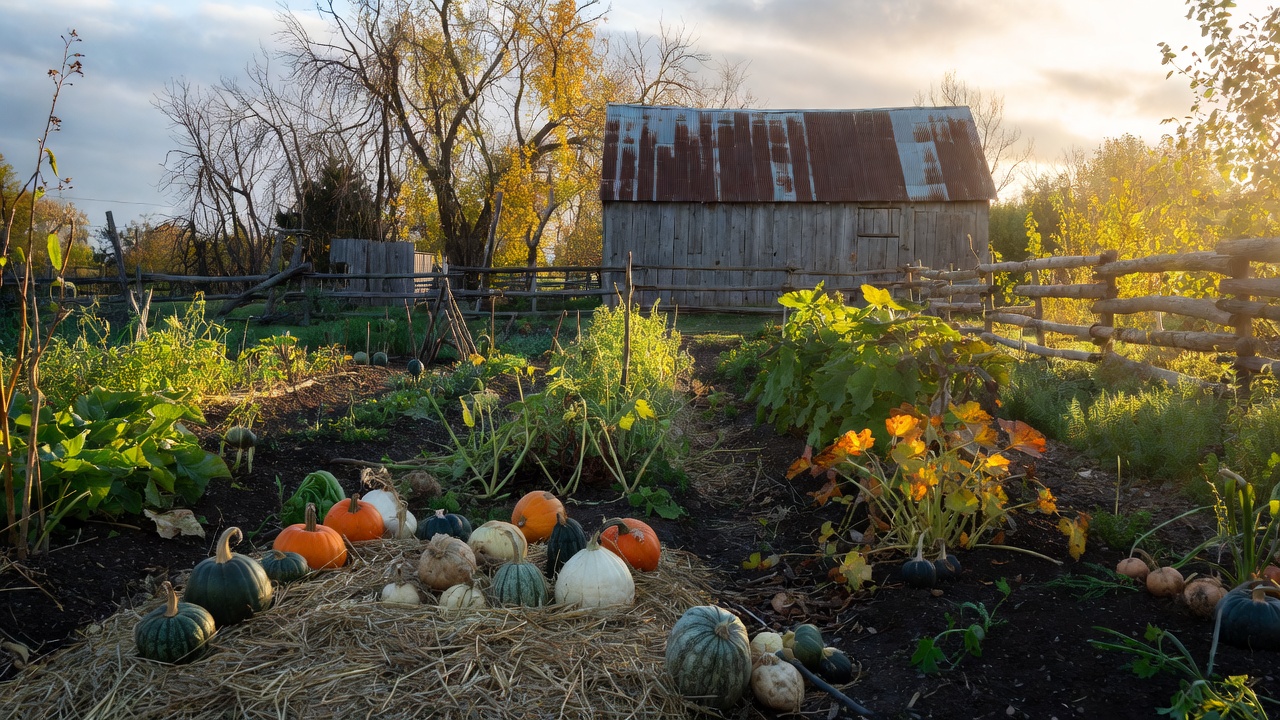
What to Plant in July: 12 Crops for a Real Fall Harvest
At least 12 crops still go in the ground in July for an October harvest, including radishes, bush beans, carrots, beets, turnips and kale.
Updated September 8, 2026
Reading this in the fall? This year’s July sowing window has closed, and every sow-by date in the table below has passed. Save this page for next summer: the count-back method works the same way every July.

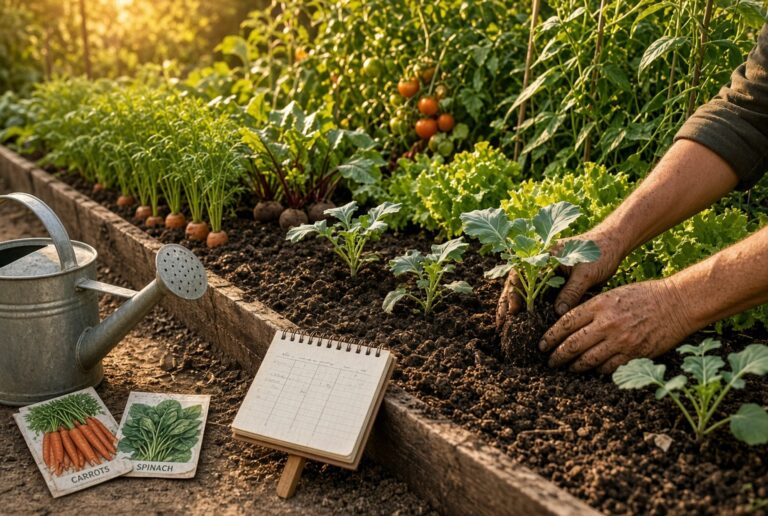
What can you still plant in July? At least 12 crops. Radishes, bush beans, carrots, beets, turnips, kale, broccoli, cabbage, lettuce, spinach, cucumbers, and summer squash will all go from seed to table before frost across most of the country. The question of what to plant in July has a better answer than most gardeners expect. The window centers on the July 4th weekend every year.
Here is the part that surprises people. July sowing is not a salvage operation. For carrots, beets, and every brassica on this list, a July start beats a spring start on flavor. Cool October nights convert starches to sugars right in the root. According to the University of Minnesota Extension, midsummer planting is the standard method for fall harvests, not a fallback.
Why the July 4th weekend is the fall garden’s opening day
Fall gardens fail for one reason: seed goes in too late. Count backward from your first fall frost and the math gets unforgiving fast. A storage carrot needs about 70 days. Then add two weeks, because September days are shorter and cooler than the packet assumes.
So gardeners in zones 4 and 5, where frost can land in late September, face a carrot and broccoli deadline of roughly July 3 — not mid-July.
The holiday weekend is also the natural marker for another reason. You are home. The garlic and early lettuce have come out, so open bed space exists. If you worked from my May planting calendar by USDA zone, this is the same system run in reverse. Every week of delay quietly deletes a crop from the list below.
The count-back method: three numbers decide everything
Let’s do the math. You only need three numbers to plan the whole fall garden.
- Your first fall frost date. Find your zone and typical frost window through the USDA Plant Hardiness Zone Map, then confirm with your county extension office.
- Days to maturity. It is printed on every seed packet. Use the seed-sown number, not the transplant number.
- The 14-day fall factor. Shorter days slow growth, so pad every crop by two weeks.
The formula: first frost date − days to maturity − 14 days = your last safe sow date.
Now, run one example. Your frost date is October 15 and your broccoli needs 65 days from seed. October 15 minus 65 days lands on August 11. Subtract the 14-day fall factor and your deadline is July 28. Now run the same math with a September 25 frost, and the deadline becomes July 8. Zone decides everything, which is why the table below shows both.
The 12-crop table
Sow-by dates below use the count-back formula with the 14-day fall factor already included.
| Crop | Days to maturity | Sow by (Oct 15 frost) | Sow by (Sep 25 frost) |
|---|---|---|---|
| Radishes | 25–30 | Sept 1 | Aug 12 |
| Spinach | 40–45 | Aug 17 | July 28 |
| Lettuce | 45–55 | Aug 7 | July 18 |
| Bush beans | 50–55 | Aug 7 | July 18 |
| Cucumbers | 50–60 | Aug 2 | July 13 |
| Summer squash | 50–60 | Aug 2 | July 13 |
| Turnips | 50–60 | Aug 2 | July 13 |
| Kale | 55–65 | July 28 | July 8 |
| Beets | 55–60 | Aug 2 | July 13 |
| Broccoli | 60–70 | July 23 | July 3 |
| Cabbage | 65–75 | July 18 | June 28* |
| Carrots | 65–75 | July 18 | June 28* |
The Old Farmer’s Almanac fall garden guide tracks closely with these numbers and adds variety-specific picks worth a look before you order seed.
Quick wins: beans, radishes, and cucumbers
Bush beans sown over the holiday weekend hit the skillet by Labor Day. Because July soil is warm, they germinate in four to six days instead of the ten you waited in May. Radishes are faster still. A July 5 sowing is on the table by August 1, and you can resow every ten days until September.
Cucumbers earn a special mention. A second planting now means young, productive vines in late August, right when your spring vines collapse from beetle pressure and powdery mildew. The same logic applies to summer squash. Fresh plants outrun the vine borers that found your June planting.
Roots that prefer a July start
Carrots, beets, and turnips sown now mature in cooling weather, and cooling weather is the whole trick. Cold nights push sugars into the root. The difference between a July carrot and an April carrot is not subtle. Fall roots also hold in the ground for weeks past maturity, which turns your garden bed into cold storage.
One warning on carrots: they are the slowest crop on the list. In short-season zones the seed deadline lands right around the July 4th weekend, so reach for a fast variety like Napoli or Mokum if you are sowing later in the month.
Brassicas: the fall garden’s heavy hitters
Broccoli, cabbage, and kale were built for this window. Spring brassicas race against heat and bolt. Fall brassicas mature into the cool weather they prefer, and kale keeps producing after a frost that would end everything else. Most gardeners who quit on spring broccoli succeed on the first fall attempt.
Direct-seed kale and broccoli now, or set out transplants through late July. Cabbage from seed is a zone 6-and-warmer play. Everyone else should buy transplants, and the 14-day fall factor still applies to them.
Getting July seed to germinate in the heat
The real obstacle to a fall garden is not frost. It is germinating cool-season seed in 90-degree soil. Lettuce, for example, goes dormant when soil passes about 80 degrees. Four fixes handle it.
- Sow in the evening and water twice daily. Seed beds must stay damp until emergence. A morning and evening pass with the hose is the price of admission.
- Shade the row. A 30 to 40 percent shade cloth drops soil temperature 10 degrees or more. A board laid over the row until sprouts appear works nearly as well and costs nothing.
- Pre-chill stubborn seed. Wrap lettuce and spinach seed in a damp paper towel. Then refrigerate it for three or four days before sowing.
- Mulch immediately after emergence. A light straw layer holds moisture and cools the root zone. My guide to picking the right mulch covers which materials reflect heat instead of trapping it.
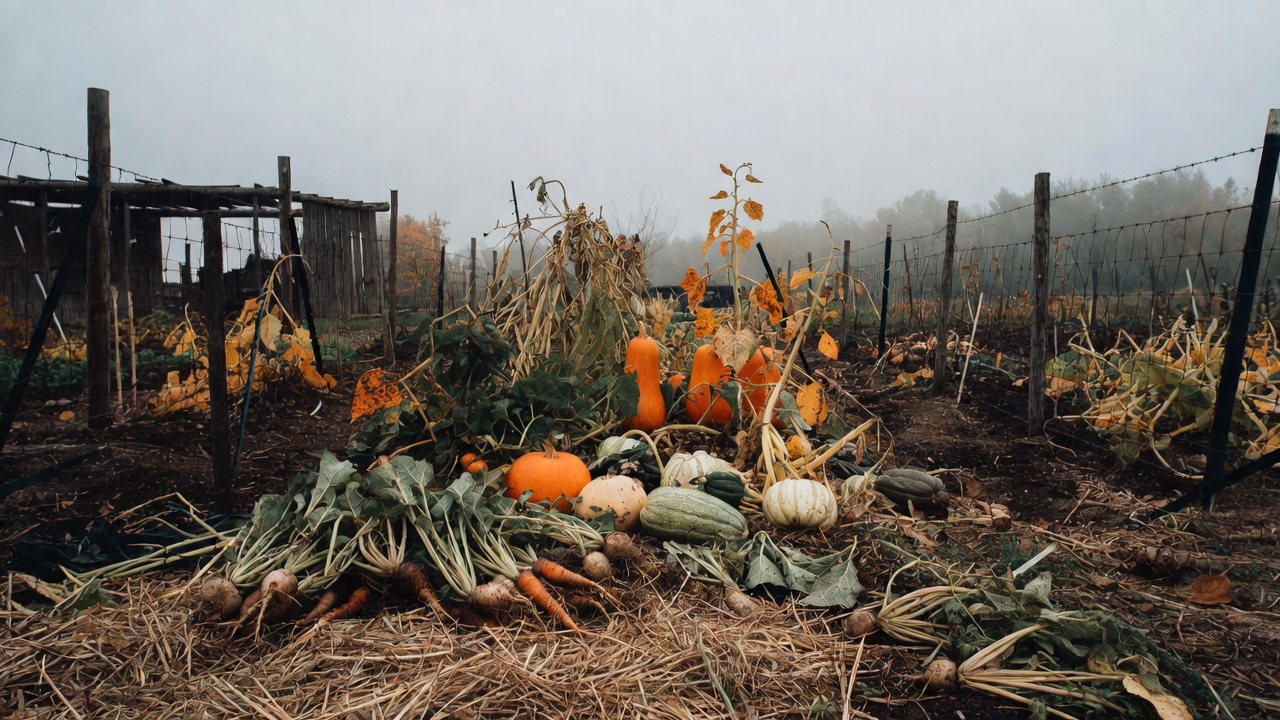
Because July sowing collides with peak water demand, this is also the week to revisit drought-proofing your garden. Drip lines and rain storage installed now pay off through the entire fall season.
What not to plant in July
Skip tomatoes, peppers, melons, and winter squash from seed. The math does not work anywhere north of zone 8. Gardeners in zones 8 and 9 can still set out tomato transplants through mid-July for a late-October picking, but seed-starting season for warm crops is over.
Skip long-season storage cabbage in the North, too. That window closed in June. Put that bed space into kale or turnips instead and it will out-produce the gamble.
Plan the harvest before it lands
A fall garden built from this list produces in a compressed window, mostly late September through October. Beans and cucumbers will demand processing in a two-week burst. Before that wave arrives, walk through my canning and preserving guide and make sure lids, jars, and pectin are on the shelf in August, before the seasonal shortage hits the co-op.
Since the sowing happens over a cookout weekend, the timing is convenient. Beds in the morning, brisket in the afternoon. The smoked BBQ beans recipe over at my sister site PopularBBQ.com pairs well with a day of dirt under your fingernails.
FAQ
What vegetables can I plant in July?
Twelve crops reliably succeed from July sowing: radishes, bush beans, carrots, beets, turnips, kale, broccoli, cabbage, lettuce, spinach, cucumbers, and summer squash. All of them mature in 25 to 75 days, which fits between a July sow date and the first fall frost in most USDA zones.
Is it too late to plant tomatoes in July?
From seed, yes, everywhere in the country. Tomatoes need 100-plus days from seed and warm nights to finish. Gardeners in zones 8 and 9 can still transplant established tomato plants through mid-July for a late-fall harvest. Everyone else should put that space into beans or brassicas.
When should I start a fall garden?
Start a fall garden in early to mid-July in most of the United States. Count backward from your first frost date: subtract the crop’s days to maturity, then subtract 14 more days to account for shorter fall days. In short-season northern zones, the deadline for slow crops arrives the first week of July.
Can I plant carrots in July?
Yes, and July carrots taste better than spring carrots. Cool fall nights concentrate sugars in the root. Sow by mid-July where frost arrives in mid-October. In colder zones, choose a fast 55 to 60-day variety such as Napoli and sow during the first week of July.
How do I germinate seeds in July heat?
Keep the seedbed damp with twice-daily watering, sow in the evening, and shade the row with 30 to 40 percent shade cloth or a plank until sprouts emerge. For lettuce and spinach, refrigerate the seed in a damp paper towel for three or four days first, because both go dormant in soil above 80 degrees.
Final Thoughts
Remember, twelve crops, one weekend, and the math already done. The gardener eating a fresh salad in October treated July 3 as a starting line, not halftime.
Reader Favorites
Homestead reference charts
Three field guides worth bookmarking — canning times, cellar storage, and safe cooking temps.
| Food | Pressure | Pint |
|---|---|---|
| Green beans | 10 lb | 20m |
| Corn | 10 lb | 55m |
| Tomatoes | water bath | 35m |
USDA/NCHFP processing times & pressures for common foods.
View full chart →| Item | Store | Keeps |
|---|---|---|
| Onions | cool, dry | 9 mo |
| Potatoes | cellar | 4–6 mo |
| Apples | cellar | 6 mo |
How long fruit & veg keep in the cellar, fridge and freezer.
View full chart → Network| Doneness | Target |
|---|---|
| Rare | 125–130°F |
| Medium-rare | 130–135°F |
| Well-done | 160°F+ |
Safe pull temps for steak & burgers, from Popular BBQ.
View full chart →