Canning Tomatoes: The Water-Bath Method, Step by Step (2026)

Canning tomatoes in a water bath is the backbone of a homestead pantry: shelf-stable jars of whole, crushed, or diced tomatoes you can cook from all winter — even simmered into a homemade barbecue sauce when grilling season returns. The method is forgiving once you learn the rhythm, but it rewards precision on one point above all — acid. Get that right, follow a tested time, and your jars keep safely for a year or more.
Last updated: October 9, 2026 · Originally published August 7, 2026
Quick answer: To can tomatoes in a water bath, wash and peel them, add bottled lemon juice or citric acid to each jar, pack them hot or raw with headspace, and process in boiling water — about 40 minutes for pint jars of whole tomatoes and 45 for quarts at sea level. Adjust the time for your altitude and always follow a current tested recipe.
Acidify every jar — this is non-negotiable:
Per quart: 2 tablespoons bottled lemon juice or ½ teaspoon citric acid. Per pint: 1 tablespoon bottled lemon juice or ¼ teaspoon citric acid. Tomatoes sit on the border of safe canning acidity, so this step protects against botulism whether you use a water bath or a pressure canner. Guidance follows the National Center for Home Food Preservation.
On this page
What You Need to Can Tomatoes
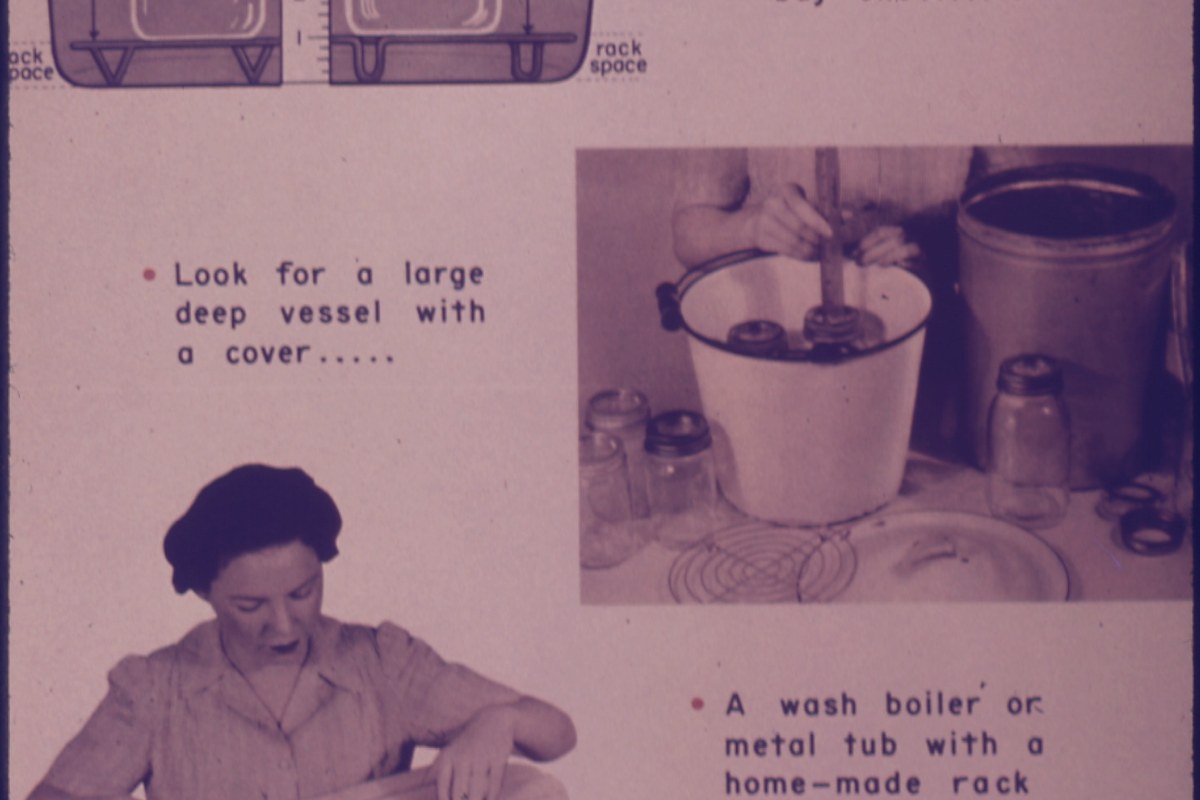
You do not need a fancy setup. A tall pot with a rack works as a water-bath canner if the water can cover the jars by an inch or two. Gather your gear before you start, because a rolling boil waits for no one. Short on time today? You can also freeze tomatoes now and can them on a cooler morning.
- Water-bath canner or a deep stockpot with a rack
- Pint or quart canning jars with new lids and clean bands
- Bottled lemon juice or citric acid
- Jar lifter, funnel, and a bubble tool or clean chopstick
- Ripe, unblemished tomatoes — roughly 3 pounds per quart jar
A dedicated pressure canner is optional for high-acid tomatoes, but it shortens processing time and is worth owning if you preserve in volume.


How to Can Tomatoes, Step by Step
- Prep your jars. Wash jars in hot soapy water and keep them warm so they do not crack when filled. Simmer new lids per the box.
- Peel the tomatoes. Score an X in each base, dip in boiling water for 30 to 60 seconds, then plunge into ice water. The skins slip right off. Core and halve or quarter as you like.
- Acidify each jar. Add the bottled lemon juice or citric acid directly to the empty jar before packing. Do not skip or shortcut this.
- Pack the jars. For a raw pack, press tomatoes into the jar until juice fills the gaps. For a hot pack, simmer tomatoes 5 minutes first, then ladle in. Leave ½ inch headspace.
- Remove air bubbles. Run a bubble tool around the inside, wipe the rims clean, set lids, and screw bands to fingertip tight.
- Process in boiling water. Lower jars into water that covers them by an inch or two, return to a full boil, and start timing. See the chart below.
- Cool and check. Lift jars out, rest them undisturbed 12 to 24 hours, then press each lid. A lid that does not flex has sealed. Refrigerate any that did not.
Tomato Canning Times by Altitude
How many tomatoes will you need? Plan on about 3 pounds of tomatoes per quart. A canner load of 7 quarts takes roughly 21 pounds of whole tomatoes (about 13 pounds for 9 pints), and a 53-pound bushel yields 15 to 21 quarts.
| Product & jar | 0–1,000 ft | 1,001–3,000 ft | 3,001–6,000 ft | Above 6,000 ft |
|---|---|---|---|---|
| Whole/halved, pints | 40 min | 45 min | 50 min | 55 min |
| Whole/halved, quarts | 45 min | 50 min | 55 min | 60 min |
| Crushed, pints | 35 min | 40 min | 45 min | 50 min |
| Crushed, quarts | 45 min | 50 min | 55 min | 60 min |
Boiling-water-canner times for tomatoes packed in water, from the USDA Complete Guide to Home Canning. Find your elevation and use the matching column — processing too short for your altitude is not safe. In a pressure canner, process whole tomatoes 10 minutes and crushed tomatoes 15 minutes at 10–11 PSI, adjusted for your altitude.
Water Bath vs. Pressure Canning for Tomatoes
Both are safe for properly acidified tomatoes. A water bath is simpler and uses gear many kitchens already have. A pressure canner runs hotter, so it shortens processing time and preserves a little more texture and nutrition. Neither removes the need to acidify — the acid, not the method, is what makes tomatoes safe to store at room temperature.
Common Canning Mistakes to Avoid
Skipping the acid is the serious one, but a few smaller habits cause most failed seals. Reusing old flat lids, leaving too little headspace, and starting the timer before a full boil all lead to trouble. Wipe every rim, use fresh lids, and only begin timing once the water rolls hard.
Watch: Canning Tomatoes in a Water Bath
Ohio State University Extension demonstrates the water-bath steps below, from acidifying jars to processing, so you can see the technique before you start.
Video: How to Can Tomatoes in a Water Bath Canner by Ohio State University Extension, via YouTube. If the player does not load, use that link to watch on YouTube.
Canning Tomatoes FAQ
Do I have to peel tomatoes before canning?
Peeling is strongly recommended for canned tomatoes. Skins toughen in the jar and can trap air that interferes with a good seal. A 30-second dip in boiling water followed by ice water makes peeling quick and clean.
Can I water-bath can tomatoes without lemon juice?
No. Modern tomato varieties are not reliably acidic enough to can safely on their own. Add 2 tablespoons of bottled lemon juice or 1/2 teaspoon citric acid per quart. This single step is what prevents botulism.
How long do home-canned tomatoes last?
Sealed, properly processed tomatoes keep their best quality for 12 to 18 months in a cool, dark pantry. They remain safe beyond that if the seal holds, though color and flavor gradually fade.
Why did my tomatoes separate in the jar?
Liquid separation is a quality quirk, not a safety problem. It happens when enzymes stay active during cutting. Working quickly and hot-packing reduces it, but separated jars are perfectly good to eat.
Can you reuse canning lids for tomatoes?
No. Use new flat lids each time, because the sealing compound on a used lid may not seal reliably and risks spoilage. Bands and jars can be reused if undamaged.
Should you water-bath or pressure can tomatoes?
Both are safe for acidified tomatoes. Water bath is simpler and uses common gear; pressure canning runs hotter, shortens the time, and preserves a bit more texture. Acidify either way.
More Tomato and Preservation Guides from Current Homesteading
- How to Preserve Tomatoes: 5 Proven Methods
- Canning Tomato Sauce, Start to Finish
- Canning Salsa With Safe, Approved Ratios
- What to Do With Too Many Tomatoes
- Best Pressure Canner: The 2026 Guide
About the author: James Nicholas writes Current Homesteading’s food-preservation guides, translating tested USDA and extension-service canning methods into plain, workable steps for the home kitchen.


Reader Favorites
Homestead reference charts
Three field guides worth bookmarking — canning times, cellar storage, and safe cooking temps.
| Food | Pressure | Pint |
|---|---|---|
| Green beans | 10 lb | 20m |
| Corn | 10 lb | 55m |
| Tomatoes | water bath | 35m |
USDA/NCHFP processing times & pressures for common foods.
View full chart →| Item | Store | Keeps |
|---|---|---|
| Onions | cool, dry | 9 mo |
| Potatoes | cellar | 4–6 mo |
| Apples | cellar | 6 mo |
How long fruit & veg keep in the cellar, fridge and freezer.
View full chart → Network| Doneness | Target |
|---|---|
| Rare | 125–130°F |
| Medium-rare | 130–135°F |
| Well-done | 160°F+ |
Safe pull temps for steak & burgers, from Popular BBQ.
View full chart →