Why Are My Chickens Not Laying Eggs? 10 Causes and Fixes
Why are my chickens not laying eggs? In fall it is usually short days or a molt; age, broodiness, stress and feed explain most of the rest.
Originally published: October 28, 2026
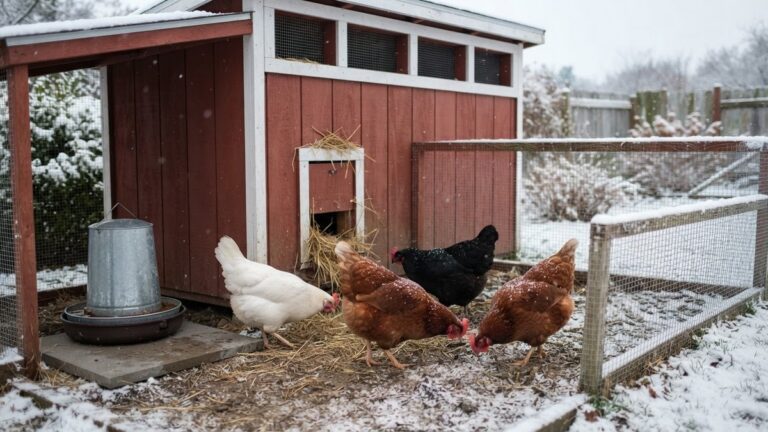
Why are my chickens not laying eggs when the coop looked full of them in June? A hen lays on a light schedule, and once the day drops below about 12 hours, production slows and often stops, which is why so many nest boxes go quiet from October on. Most causes are normal and fixable. The one exception is a drop in eggs that comes with sick or dying birds, which can be bird flu and needs a phone call the same day.
Safety note. Fewer eggs plus trouble breathing, no appetite, nasal discharge or sudden deaths can mean avian influenza. Isolate the sick birds and call USDA at 1-866-536-7593, your veterinarian or your state animal health official. Coop lights are a fire risk, so keep fixtures and wiring free of dust and out of reach of the birds.
So before you blame the feed store or the neighbor’s dog, start with the calendar. Each of the ten causes below leaves its own clue: feathers on the floor, a hen who will not leave the nest, a pullet who has never laid. Find your row.
Hens Not Laying at a Glance
- Most common fall cause: short days. Laying drops below 12 hours of light; hens need about 14 to 16.
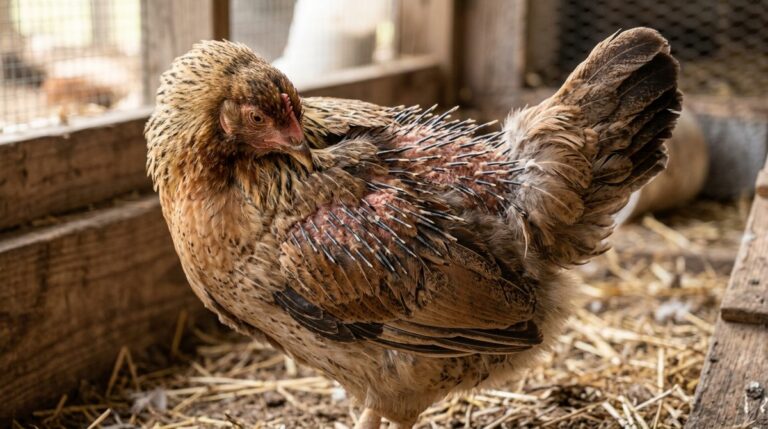
- Feathers everywhere: that is a molt. Most hens stop laying until it is done, which takes from about 4 weeks to 6 months.
- Age: pullets start at 18 to 22 weeks, and many hens slow down after two or three years.
- Broody hen: left alone, broodiness can last 3 to 6 weeks; 3 to 7 days in a separate pen usually breaks it.
- When to worry: decreased egg production is one of USDA’s five warning signs of bird flu.

Why Are My Chickens Not Laying Eggs? Find Your Cause
| Cause | What you see | What to do | Eggs back in | Source |
|---|---|---|---|---|
| Short days | Healthy, feathered hens slow as days drop below 12 hours | Wait, or add timed morning light up to 14 to 16 hours, 1 hour more per week at most | Natural days lengthen after late December; no set weeks after adding light in the Penn State, Virginia Tech or Oregon State pages | Penn State; Virginia Tech; Oregon State |
| Molting | Feathers on the floor and bare patches, usually August through October | Keep layer feed in front of them; Arizona suggests a high-protein feed or supplement during the molt | About 4 weeks to 6 months, by breed and timing | Univ. of Kentucky; Mississippi State; Univ. of Arizona |
| Older hens | Hens past two or three years lay fewer eggs and molt more often | Plan replacement pullets; keep older hens as pets or brooders if you like | It does not climb back; often sporadic by age three or four | Virginia Tech; Oregon State; Univ. of Arizona |
| Young pullets | Grown-looking birds that have never laid | Check the hatch date and wait | First eggs at 18 to 22 weeks of age | Univ. of Arizona; Oregon State |
| Broody hen | One hen glued to the nest, puffed up and growling | Take her off the nest; a few days in a separate pen usually breaks it | 3 to 7 days in “broody jail”; 3 to 6 weeks if left alone | Univ. of Arizona; Oregon State |
| Cold weather | Eggs drop with the first cold snap, when days are also short | Check day length first; keep the coop dry and free of drafts and the water unfrozen | Follows the light, not the thermometer, per K-State | K-State Research and Extension; Virginia Tech |
| New flock, stress or predators | Slowdown after a move, new birds, a rooster or a predator scare | Remove the stress; quarantine new birds for a few weeks before mixing | No set time in the Virginia Tech, Oregon State or Arizona pages | Virginia Tech; Oregon State |
| Feed change or no water | Slowdown after a feed switch, extra scraps or a frozen waterer | Layer feed at 16% to 18% protein, oyster shell, treats they finish in 15 minutes | No set time in the Virginia Tech or Oregon State pages | Virginia Tech; Oregon State |
| Illness or parasites | Dull birds, watery eyes, coughing, deaths; mites at the vent | Call a vet; for breathing trouble or deaths, isolate birds and call 1-866-536-7593 | Recovery can take a few days to several weeks | Virginia Tech; USDA APHIS; Univ. of Kentucky; Univ. of Arizona |
Each row comes from the extension or USDA pages named in the last column, linked below. Where no source gives a recovery time, the row names the pages we read.
Short Days: The Usual Fall Culprit
Hens lay by a clock that runs on daylight. K-State’s Douglas County, Kansas, office explains it: a hen senses light through her eyes and glands in the brain (the pineal and the hypothalamus), which trigger the hormones behind egg production. Less light, fewer eggs.
Penn State says production typically drops in September and October, once day length falls below 12 hours, and Virginia Tech says that below 12 hours it decreases and frequently stops, from October through February. Healthy, fully feathered birds that quit on schedule every fall? You have your answer.
How Much Light Do Chickens Need to Lay?
About 14 to 16 hours. Virginia Tech says hens need 14 hours of light a day and notes some recommend at least 16; Penn State aims for 16 for mature layers and warns that going past it stresses birds. Compare that with what winter hands you: K-State’s Douglas County, Kansas, office puts December’s average at about 9½ hours of sunlight, and Oregon State says Oregon’s day length falls from nearly 16 hours to just over 8.

Adding light is your call, and it works. If you do it, Penn State’s rules are short:
- Put the light on a timer; Penn State suggests adding it in the early morning and letting the natural sunset send the hens to roost.
- Change day length by no more than 1 hour per week, up or down.
- Use a warm bulb rated under 3500K, not a heat lamp, no more than 30 to 40 watts, bright enough to give at least ½ foot-candle (5 lux).
- Mount the fixture where birds cannot perch on it or peck it, and dust the light and wiring often.
Virginia Tech adds two details: one 4- to 5-watt LED (a 40-watt equivalent) per 100 square feet of coop is enough, and hens need at least 6 hours of continuous darkness. Oregon State warns that one day off the schedule can hurt production, so a timer beats your memory. Giving the girls the winter off is a fair choice too (Oregon State suggests about 6 weeks with the lights off during a winter molt).
Molting and the Fall Feather Mess
Does your coop look like a pillow fight broke out? That is a molt, and most hens stop laying until it is finished, according to Mississippi State. Arizona’s extension service says adult hens usually molt once a year, typically August through October, which puts a lot of flocks mid-molt in late fall. Pullets hatched in spring or summer skip the molt their first autumn.
How long it lasts depends on the bird. The University of Kentucky gives four to six weeks for commercial strains and up to three to four months for heritage breeds. Mississippi State says late molters lay 12 to 14 months first and finish in 2 to 3 months, while early molters can take 4 to 6 months and tend to be a flock’s poorer layers. Our full guide to molting chickens and what to feed them walks through protein and care while the new feathers come in.
How Long Until Eggs Come Back?
It depends on the cause, so I will pick for you: if the birds look healthy, bet on short days or the molt and plan on weeks, not days.

Short days take the longest of the normal causes unless you add light, because natural days only start to lengthen after the winter solstice in late December.
Age: Young Pullets and Older Hens
Age cuts both ways. Pullets usually start laying between 18 and 22 weeks, says Arizona, even though they can look full grown at 14 to 16 weeks; Oregon State gives 18 to 20 weeks.
At the other end, Virginia Tech says hens lay efficiently for two laying cycles and many decline after two or three years, and Arizona says laying often turns sporadic by age three or four. Virginia Tech adds that poor layers and old hens molt more often and lay fewer eggs. If eggs are the point, add pullets every year or two, and run the numbers through our chicken coop size calculator, which works out floor space, nest boxes, feed cost and expected eggs for the flock size you pick.
Broody Hens, Hidden Nests and Egg Eaters
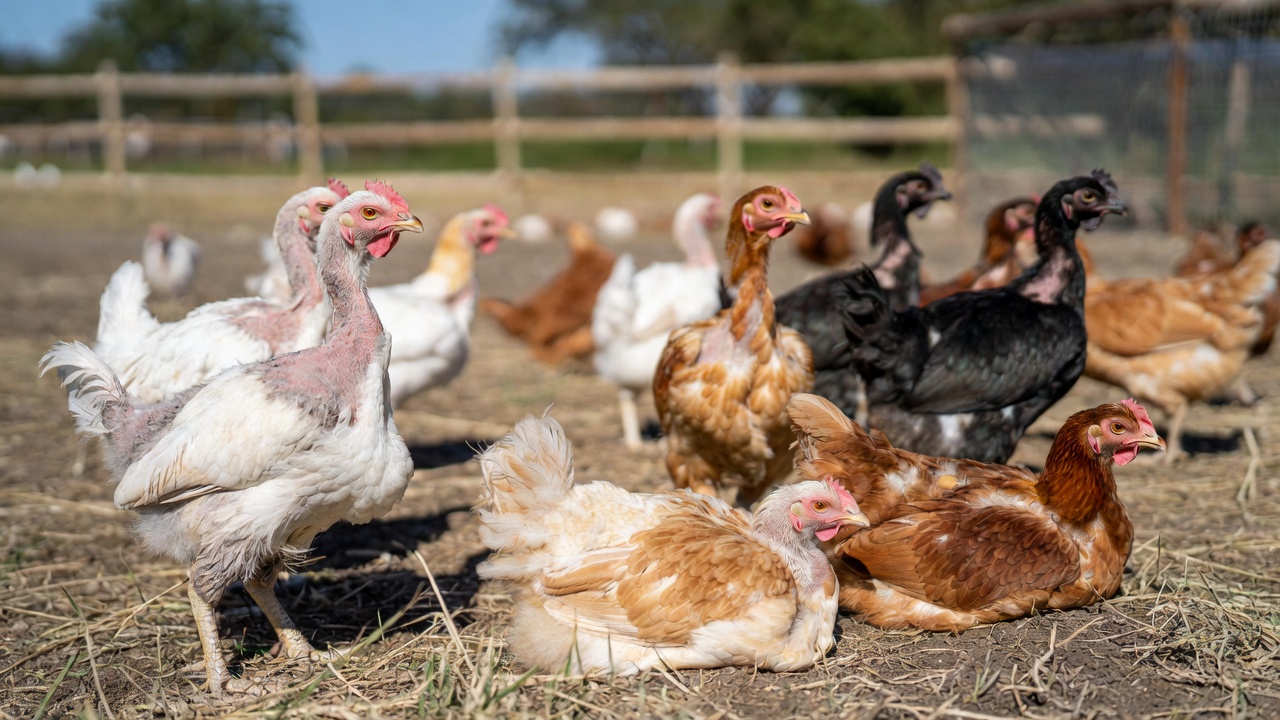
A broody hen has decided to hatch something, eggs or not, and parks in the box making sounds you did not know a chicken could make. Left alone, broodiness can last 3 to 6 weeks, per Arizona; a stint in “broody jail,” a separate pen where she cannot settle into a nest, typically ends it in 3 to 7 days. Oregon State’s advice is simply to take her off the nest for several days.
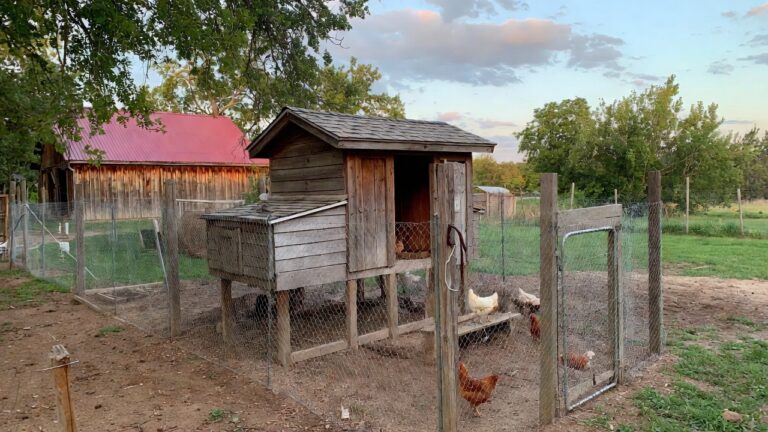
Sometimes the hens are laying just fine and you are not finding the eggs. Free-range birds pick their own spots under the porch or in the hay, so Arizona suggests limiting free-range time until mid-morning. Shell bits and yolk in the box point to an egg eater, and one of Arizona’s fixes is enough nest space: at least 1 box per 4 hens, which matches our breakdown of how many nesting boxes per chicken the extension services publish.
Cold Weather, Stress and New Birds
Cold gets blamed for a lot it did not do. K-State’s Douglas County office says many people blame colder weather for the winter slowdown, but the drop “has to do with the amount of light your hens receive each day.” The first hard frost and the shortest days just arrive at about the same time (a classic case of the wrong suspect, like the butler in every bad mystery novel).
That said, cold can stress a flock. Virginia Tech lists chilling from damp or drafty conditions as a stress, along with moving birds, adding a rooster or new hens, fright from dogs, kids or loud noises, and predators such as birds of prey, raccoons and snakes. Virginia Tech also says to isolate new birds for a few weeks before they join the flock, to keep disease out. Oregon State adds overheating and running out of food or water. Fix what scared them, and laying follows.
Feed, Water and Treats
Virginia Tech calls for a layer feed with 16% to 18% protein available at all times, plus oyster shell offered free choice for strong shells. Oregon State says not to feed starter or grower diets to laying hens, and to give extras only in amounts the birds clean up in 15 minutes, or none at all. Too much scratch and table scraps unbalances the diet, per Virginia Tech, and can contribute to vent prolapse.
Water is the one people forget. Virginia Tech names a lack of fresh water as a common problem, especially when it freezes. Check the waterer EVERY morning once nights start dipping below freezing.
When a Drop in Eggs Means Sickness
Virginia Tech says a drop in egg production is often one of the first signs of disease, followed by a dull look, watery eyes and nostrils, coughing, lameness or deaths. USDA APHIS lists decreased egg production as one of five signs of avian influenza, with trouble breathing, lack of appetite, nasal discharge and sudden or unexplained death. If you see those together, isolate the sick birds and call 1-866-536-7593, your veterinarian or your state animal health official. Our page on bird flu and backyard chickens covers what to do to protect the rest of the flock.
Parasites are the quieter version. The University of Kentucky says mites and lice can hurt egg production: check the vent area of some birds every two weeks for northern fowl mites, and check at night for chicken (red) mites, which hide in cracks by day.
Half of you are canning this fall.
Frequently Asked Questions
How long will a chicken go without laying eggs?
Anywhere from a few days to most of the winter: 3 to 7 days for a broody hen in a pen, up to 4 to 6 months for an early molter, and until the days lengthen after late December for healthy hens on natural light.
What can I feed my chickens to make them lay?
A complete layer feed with 16% to 18% protein and oyster shell on the side, per Virginia Tech. No feed makes up for a short day, though, because the signal to lay comes from light.
Will chickens stop laying if their coop is dirty?
A dirty coop is a good home for mites, and the University of Kentucky says mite and lice problems can hurt egg production. Damp, drafty bedding also chills birds, which Virginia Tech lists as a stress.
Should I add light to my chicken coop in winter?
You can, and Penn State’s rules are simple. Keep it to 14 to 16 hours total, add it in the morning on a timer, raise it no more than 1 hour per week, and use a warm bulb, not a heat lamp.
Do chickens stop laying when it gets cold?
Not because of the cold itself, according to K-State, which ties the winter slowdown to day length. Cold matters when the coop is damp or drafty or the water freezes, so fix those and watch the light.
If I had to bet on your empty nest box in late October, I would put my money on the calendar and the feather pile, in that order. Check the light, check for a molt, check the water, and save the worry for birds that look sick.
Sources: Virginia Cooperative Extension, “Why Have My Hens Stopped Laying?”; Penn State Extension, “Artificial Lighting for Winter Egg Production”; Oregon State University Extension, “Why did my chickens stop laying?” (PNW 565); University of Arizona Cooperative Extension, “Nine Common Reasons Your Hens Aren’t Laying” (az2186); Mississippi State University Extension, “Molting of laying hens”; University of Kentucky, “Molting Small-scale Commercial Egg Flocks” (ASC-236); University of Kentucky, “External Mite and Insect Parasites of Backyard Chickens”; K-State Research and Extension, “Why Does Egg Production Lower in Winter?”; USDA APHIS, “Avian Influenza is Here. Know the Signs.”
Reader Favorites
Homestead reference charts
Three field guides worth bookmarking — canning times, cellar storage, and safe cooking temps.
| Food | Pressure | Pint |
|---|---|---|
| Green beans | 10 lb | 20m |
| Corn | 10 lb | 55m |
| Tomatoes | water bath | 35m |
USDA/NCHFP processing times & pressures for common foods.
View full chart →| Item | Store | Keeps |
|---|---|---|
| Onions | cool, dry | 9 mo |
| Potatoes | cellar | 4–6 mo |
| Apples | cellar | 6 mo |
How long fruit & veg keep in the cellar, fridge and freezer.
View full chart → Network| Doneness | Target |
|---|---|
| Rare | 125–130°F |
| Medium-rare | 130–135°F |
| Well-done | 160°F+ |
Safe pull temps for steak & burgers, from Popular BBQ.
View full chart →